
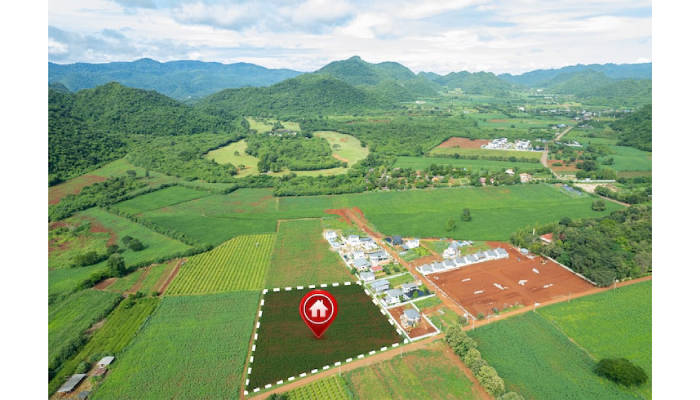
Buying California land without an agent can be an exciting adventure, offering significant benefits. First off, you save on commission fees, putting more money in your pocket for the purchase or future development. Plus, negotiating directly with the seller often leads to better deals tailored to your needs. However, there are challenges to keep in mind. Without a realtor’s expertise, you might miss important details that could cost you later on. Start by researching online listings and local resources like newspapers or even drive around your desired area for “For Sale” signs. Create a budget that captures all potential costs and prepare yourself for negotiations based on market research. Don’t skip crucial steps like conducting a title search or checking zoning laws to avoid future legal issues! Engaging professionals such as real estate attorneys can provide invaluable support during this process too. With careful planning and diligence, buying land directly can be rewarding and lead to fulfilling outcomes!
1. Understand the Benefits of Buying Land Without an Agent
California land for sale without an agent can be a thrilling journey that offers numerous advantages. First and foremost, one of the biggest perks is cost savings. By eliminating agent commissions, you can allocate those funds toward better land options or development projects. Imagine having more budget flexibility, allowing you to invest in what truly matters to you.
Direct negotiations with the seller can also be incredibly rewarding. This approach opens the door to personalized terms that align with your specific needs. You have the power to negotiate not just price, but also conditions that suit your vision for the property. Total control over the buying process means every decision you make reflects your priorities and aspirations.
Moreover, engaging directly with sellers fosters a sense of transparency that can build trust. You can ask questions and clarify details in real time, creating a more open dialogue. This relationship can lead to favorable outcomes and even some unique opportunities that may not be available through traditional channels.
Flexibility in your timeline is another significant benefit. You can proceed at your own pace, without the pressure of an agent’s schedule looming over you. This means you can take your time to thoroughly research and consider your options, ensuring that you make the best decision possible.
Additionally, navigating the land market on your own can be an enriching experience. You’ll gain valuable insights and knowledge that will enhance your negotiation skills for future purchases. Plus, you’ll have access to a wider range of listings, including those gems not typically marketed by agents. This means more chances to find that perfect piece of land that fits your vision.
Ultimately, the experience can be more personalized, as you engage in every aspect of the process, from initial research to closing the deal. This hands-on approach allows you to truly connect with the land and ensure it meets your expectations.
- Cost savings from eliminating agent commissions can allow for better land or development options.
- Direct negotiations can create an opportunity for better terms tailored to your needs.
- Total control over the buying process means you can make decisions that align with your vision.
- More transparency in negotiations can build trust between you and the seller.
- Flexibility in your timeline allows you to proceed at your own pace without pressure from an agent.
- You can build direct relationships with sellers, which may lead to more favorable outcomes.
- Access to a wider range of listings, including those not typically marketed by agents.
- Opportunity to learn about the land market, enhancing your negotiation skills for future purchases.
- Potential for a more personalized buying experience, as you engage in every aspect of the process.
- You retain all decision-making power, ensuring that every choice reflects your priorities.

2. Challenges to Consider When Buying Land
Buying land in California without an agent can be thrilling, but it comes with its own set of challenges. One of the biggest hurdles is identifying valuable land, which can be tricky without an agent’s expertise and deep market knowledge. You might find yourself overwhelmed by the complexity of legal requirements, as understanding these can be both time-consuming and confusing without professional guidance. Additionally, you may miss out on exclusive listings that agents access, which limits your options significantly.
Emotional decisions can creep in during this process, potentially leading to poor financial outcomes if not considered carefully. When comparing properties, evaluating their worth becomes even more challenging without the insights of a professional. The volume of tasks involved in the purchase can heighten stress levels, making the experience feel daunting.
Another crucial factor is the lack of industry connections that agents often utilize to facilitate smoother transactions. Misunderstanding local regulations could lead to costly mistakes, and without the ability to leverage an agent’s negotiation strategies, you might struggle to secure the best deal. Furthermore, the risk of missing critical information about the land’s history or condition is high if you do not conduct thorough research, which could lead to regrets down the line.
3. Steps to Purchase Land Without a Realtor
To successfully buy land in California without a realtor, start by defining your goals for the land, including what you plan to use it for and where you want it to be located. Next, gather information about the local real estate market; this will help you understand pricing trends and what to expect in your desired area. Utilize online tools like Craigslist, Zillow, and LandWatch to track available listings regularly, along with local resources like newspapers and community bulletin boards for potential opportunities.
Networking is also key. Engage with local community members or attend events to discover off-market opportunities that may not be listed online. Once you have a shortlist of properties, visit them in person to assess their potential and condition. This step is crucial; it allows you to visualize how the land can meet your needs.
When you’re ready to make an offer, prepare a written proposal that clearly states your terms and considers the seller’s expectations. Gather necessary documentation, such as proof of funds and identification, to ensure a smooth transaction. Conduct thorough inspections, including environmental assessments, to confirm the land meets your intended use.
Be prepared for negotiations. Know your limits and what terms are essential for you. Once you reach an agreement, finalize everything by ensuring all legal documents are in order before closing the deal. This proactive approach can lead you to a successful land purchase that meets your needs and dreams.
4. Consult Professionals for Legal Help
Engaging professionals can make a huge difference when buying land in California without an agent. A real estate attorney is your best friend in this process, ensuring that all legal documents are accurately prepared and reviewed. This step can help you avoid potential pitfalls that may arise from overlooked details. Consulting with land surveyors is equally crucial, as they clarify property boundaries and identify any encroachments that could lead to disputes down the line.
Additionally, hiring a title company gives you peace of mind by ensuring a clear title and conducting necessary searches to protect your investment. If environmental concerns are on your mind, working with environmental consultants can help pinpoint any issues that may affect your land. When it comes to finances, tax advisors can shed light on property taxes and any potential tax benefits related to land ownership, while financial advisors can help you assess your budget and financial readiness for the purchase.
If you have plans to develop the land, consulting land planners can provide insights on how best to proceed according to local regulations, while contractors can help estimate development costs. Don’t forget to tap into the expertise of zoning law specialists to ensure your intended use of the land complies with local regulations. Lastly, hiring appraisers can help you establish a fair market value before making an offer, ensuring you don’t overpay for your new property.
5. Consider Financial Aspects of the Purchase
When planning to buy land in California without an agent, it’s crucial to get your finances in order. Start by establishing a clear budget that encompasses not just the purchase price but also all associated costs. Think about property taxes, maintenance, and insurance, as these ongoing expenses can add up quickly. If you’re considering financing, explore different options available for land purchases, which may not be the same as home loans, so it’s essential to do your homework.
Don’t forget to account for closing costs, which can include fees for title searches and legal assistance. These extra expenses can catch buyers off guard if they’re not prepared. Additionally, consider the role of land appraisals in determining your financing options; knowing the land’s value can help you secure better loan terms.
You might also want to look into any grants or incentives available in your area for land development. These resources can significantly offset costs and make your purchase more affordable. Moreover, keep in mind any future investments you might want to make in the land, such as building infrastructure or adding improvements.
Having an emergency fund is a smart move, as unexpected expenses can arise during the buying process. Finally, think about the long-term financial implications of owning land, including its resale value and market trends. By evaluating how this investment aligns with your overall financial goals, you can make a more informed and confident decision.
6. Common Pitfalls to Avoid in Land Buying
When purchasing land, there are several pitfalls to be aware of that can lead to future headaches. First, neglecting to perform a title search can result in significant legal complications later, such as discovering liens or ownership disputes that could jeopardize your investment. Overlooking zoning restrictions is another critical mistake; if you find out after the purchase that you can’t use the land for your intended purpose, it can be incredibly frustrating and costly.
Additionally, failing to conduct thorough inspections may lead to unexpected repairs or issues post-purchase, like environmental hazards or structural damages. Underestimating the total costs involved can also create financial strain, so be sure to factor in development expenses and potential unforeseen costs.
Rushing the decision process without adequate research often leads to buyer’s remorse, as you may miss key information that could affect your decision. Ignoring local market conditions can cause you to overpay for the property, especially in a competitive market like California.
Not verifying access to utilities and infrastructure can limit your options for development, making the land less valuable. Skipping environmental assessments might leave you exposed to potential liabilities, which could lead to costly clean-ups down the line. Finally, avoiding negotiations can mean missing out on better terms or prices that could have been achieved through discussion. Always remember, focusing solely on price rather than long-term value can undermine your investment, so keep the bigger picture in mind!
7. Finding Vacant Land in California
Finding vacant land in California can be an exciting adventure. Start by exploring online platforms like Zillow and Craigslist, where you can often find listings marked “For Sale by Owner”. These sites are user-friendly and allow you to filter your search based on your preferences. Don’t overlook local newspapers, either; many have classified sections dedicated to real estate, making them a valuable resource for discovering hidden gems.
Social media can also be a powerful tool. Engage with local community groups to get insider information about available land. Networking in these groups often leads to opportunities that may not be listed online. Additionally, don’t hesitate to hit the road. Driving through neighborhoods of interest may reveal “For Sale” signs that you wouldn’t find elsewhere. This direct approach can lead to unique buying opportunities.
Attending local real estate events or land expos is another great way to connect with sellers and other buyers. These events often showcase properties and provide valuable networking opportunities. Furthermore, consider exploring county tax assessor websites to find information on tax-defaulted properties that might be available for sale. This avenue can sometimes lead to incredibly affordable options.
Don’t forget to check with local government offices about land auctions or surplus property sales. These sales can offer great deals on land that may not be available through traditional channels. Property management companies may also have listings for vacant lands, so reaching out to them can broaden your search.
Joining land buyer forums is another effective strategy. These platforms allow prospective buyers to exchange information and leads, making it easier to find the perfect land. Finally, consulting with local builders or developers can provide insights into upcoming land sales, especially those that may not yet be on the market. By utilizing these diverse approaches, you can uncover a wealth of options in your quest for vacant land in California.