
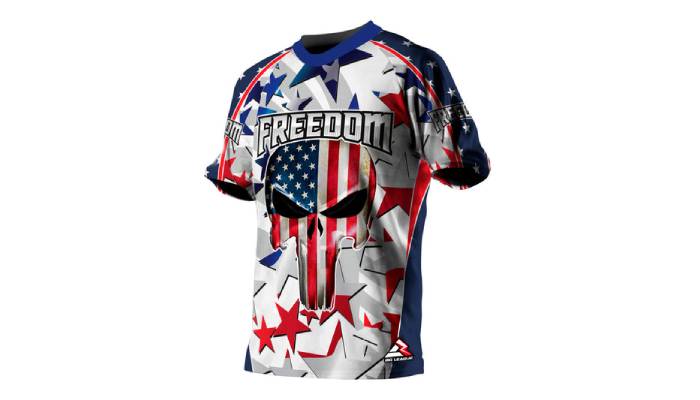
Caring for your custom cornhole jersey is important if you want it to last and look good over time. Start by turning the jersey inside out before washing to protect any prints. Use cold water with a gentle cycle, as this helps prevent fading and keeps the fabric comfortable. When treating stains, act quickly with mild detergent, but avoid harsh chemicals like bleach that can harm it. For drying, air dry by hanging or laying flat; steer clear of dryers to prevent shrinkage. Lastly, check regularly for damage and store your jersey in a cool place to maintain its shape and color.
1. Washing Instructions for Your Cornhole Jersey
When washing your custom cornhole jersey, start by turning it inside out. This simple step helps protect the printed logos, names, and numbers from getting damaged during the wash cycle. Use cold water to wash your jersey, as this helps maintain the fabric quality and prevents the colors from fading. Opt for a gentle wash cycle to minimize wear and tear on the fabric, ensuring it lasts longer. Avoid harsh chemicals like bleach and fabric softeners, which can harm the jersey’s material and colors.
To further protect your jersey, consider placing it in a mesh laundry bag. This adds an extra layer of defense during the wash cycle. It’s also important to wash your jersey with similar colors and to avoid overcrowding the machine, as this can lead to friction damage. Before washing, check all pockets to ensure there are no items left inside that could snag or damage the fabric.
Use a mild detergent designed for delicate fabrics to keep your jersey’s colors vibrant. If your jersey is particularly dirty, pre-soaking it in cold water can help lift dirt before washing. Lastly, always refer to the care label for any specific washing instructions that may be unique to your jersey.
- Turn Inside Out: Always turn your jersey inside out before washing to protect printed logos, names, and numbers.
- Cold Water: Use cold water to prevent color fading and maintain fabric quality.
- Gentle Cycle: Opt for a gentle wash cycle to reduce wear on the fabric.
- Avoid Harsh Chemicals: Stay away from bleach and fabric softeners, as they can damage the jersey.
- Use a Mesh Bag: Consider placing your jersey in a mesh laundry bag to further protect it during the wash cycle.
- Limit Load Size: Wash your jersey with similar colors and avoid overcrowding the machine to prevent friction damage.
- Check Pockets: Ensure there are no items left in pockets that could snag or damage the jersey.
- Use a Mild Detergent: Select a detergent designed for delicate fabrics to keep the jersey’s colors vibrant.
- Pre-Soak if Needed: For particularly dirty jerseys, pre-soaking in cold water can help lift dirt before washing.
- Follow Care Label: Always refer to the care label for any specific washing instructions unique to your jersey.

2. Effective Stain Treatment Techniques

Immediate attention is crucial when dealing with stains on your custom cornhole jersey. Pre-treat any stains as soon as possible using a mixture of mild detergent and water. This helps to break down the stain before it sets. For tougher stains, soaking the garment briefly can be more effective than scrubbing, which may damage the fabric. When you do treat a stain, remember to blot it gently with a clean cloth rather than rubbing it, as rubbing can spread the stain further.
Before applying any stain treatment, it’s wise to test the solution on a small, inconspicuous area. This ensures that the fabric won’t be harmed. If you’re facing a stubborn stain, a soft-bristled brush can help lift the stain without causing damage. Avoid using hot water, as this can set the stain into the fabric, making it harder to remove.
After treating a stain, check for any residue left behind before washing the entire jersey. A mixture of white vinegar and water can also be effective for certain stains. Lastly, after washing, inspect the jersey to see if the stain is completely gone before drying, as drying can set the stain permanently. If you’re dealing with particularly difficult stains, it might be best to consult a professional cleaner who specializes in sportswear.
3. Best Drying Techniques for Jerseys
After washing your custom cornhole jersey, the best way to dry it is by air drying. Hanging it up or laying it flat will help prevent shrinkage and damage. Avoid using a dryer, as the heat can warp the fabric and ruin the jersey’s fit. A great method is to hang the jersey on a clothesline or a hanger in a well-ventilated area. Just make sure to keep it out of direct sunlight to avoid fading the colors.
If you prefer laying it flat, use a clean towel. Lay the jersey on the towel and then roll it up to absorb excess water. This gentle method prevents you from wringing out the fabric, which can lead to stretching. Alternatively, using a drying rack also works well, as it allows good airflow for even drying. Don’t forget to flip the jersey occasionally to ensure it dries evenly.
While drying, avoid placing any heavy items on the jersey, as this can distort its shape. Before you store it away, make sure it is completely dry to prevent any mildew growth. Once dry, store your jersey in a cool, dry place to help maintain its shape and keep it looking great.
4. Ironing Guidance for Custom Jerseys
When it comes to ironing your custom cornhole jersey, start by setting your iron to a cool temperature. This helps prevent damage to the fabric. Be cautious around printed areas; avoid ironing directly over any logos or designs to prevent melting or warping. To add an extra layer of protection, place a thin cloth between the iron and the jersey. If you choose to use a steam iron, keep it at a distance to minimize direct heat exposure. Always turn the jersey inside out before ironing to safeguard the outer surface. Gently move the iron over wrinkled areas, and steer clear of vigorous motions that could stretch the fabric. Avoid spraying water directly onto the jersey, as this can result in unsightly water stains. If you’re unsure about the heat setting, it’s best to start low and gradually increase if necessary. Work on small sections at a time for better control and effectiveness. Always check the care label for any specific ironing recommendations, as these can provide valuable guidance for maintaining your jersey’s quality.
5. General Maintenance Tips for Longevity
Use gentle detergents specifically made for sportswear when washing your jersey, as these help maintain the fabric’s integrity. Avoid fabric softeners, which can weaken the material and cause designs to peel. Regular checks are important, so frequently inspect your jersey for any signs of wear, like loose threads or fading colors. Proper storage is crucial too; keep your jersey in a cool, dry place to help it retain its shape and color. Wash your jersey sparingly, only when necessary, to prolong its life. When you do wash it, avoid overloading the machine to prevent friction damage that can occur from too many items rubbing against each other. It’s also wise to keep your jersey away from pets that might claw or chew on it. If you have multiple jerseys, consider rotating them to reduce the wear on a single piece. Always follow the care label instructions for specific maintenance advice tailored to your jersey’s fabric. Avoid exposing your jersey to extreme temperatures or humidity, which can degrade the material. Finally, address any minor repairs, like loose threads, promptly to prevent further damage.
6. Long-Term Care for Your Cornhole Jersey
To keep your custom cornhole jersey looking its best over the long haul, regular inspections are key. Check for any signs of wear, like fading colors or loose threads, so you can address issues early. Be sure to follow the care instructions on the label, as they provide valuable guidance tailored to your jersey’s material. Proper storage is also essential: when not in use, keep your jersey in a cool, dry spot to maintain its condition. Limit exposure to harsh chemicals, as well as environments that could potentially damage the fabric.
If your jersey needs a deep clean, consider using a professional service that specializes in sportswear. They can provide the care your jersey deserves without risking damage. If you own multiple jerseys, rotating their usage can help spread wear and tear, extending the life of each piece. Avoid dry cleaning, since the chemicals used can harm the fabric and prints. Regularly check for new stains and treat them as soon as you spot them to prevent permanent damage.
When storing your jersey for longer periods, protective garment bags can be a great investment, shielding it from dust and moisture. Lastly, it’s a good idea to document any special care instructions or repairs you’ve made, as this can help you maintain your jersey in the future.
Frequently Asked Questions
What is the best way to wash my custom cornhole jersey?
It’s best to wash your custom cornhole jersey in cold water, using a gentle cycle. This helps to keep the colors bright and the fabric in good shape.
Can I put my custom cornhole jersey in the dryer?
It’s better to air dry your custom cornhole jersey instead of using a dryer. High heat can damage the fabric and affect the print.
How should I store my custom cornhole jersey when I’m not using it?
Store your custom cornhole jersey in a cool, dry place, away from direct sunlight. Folding it neatly can help prevent wrinkles.
What should I do if my jersey gets stained?
If your jersey gets stained, treat the stain as soon as possible. Dab it gently with a mild detergent and cold water, then rinse well before washing.
Can I iron my custom cornhole jersey?
If you need to iron your custom cornhole jersey, make sure to use a low heat setting and place a cloth between the iron and the jersey to protect it.
TL;DR To care for your custom cornhole jersey, wash it inside out in cold water on a gentle cycle, and treat stains promptly with mild detergent. Air dry away from direct sunlight, and if ironing is needed, use a cool iron without touching printed areas. Use gentle detergents, avoid fabric softeners, and store your jersey in a cool, dry place. Regularly check for wear and follow care label instructions for optimal longevity.