
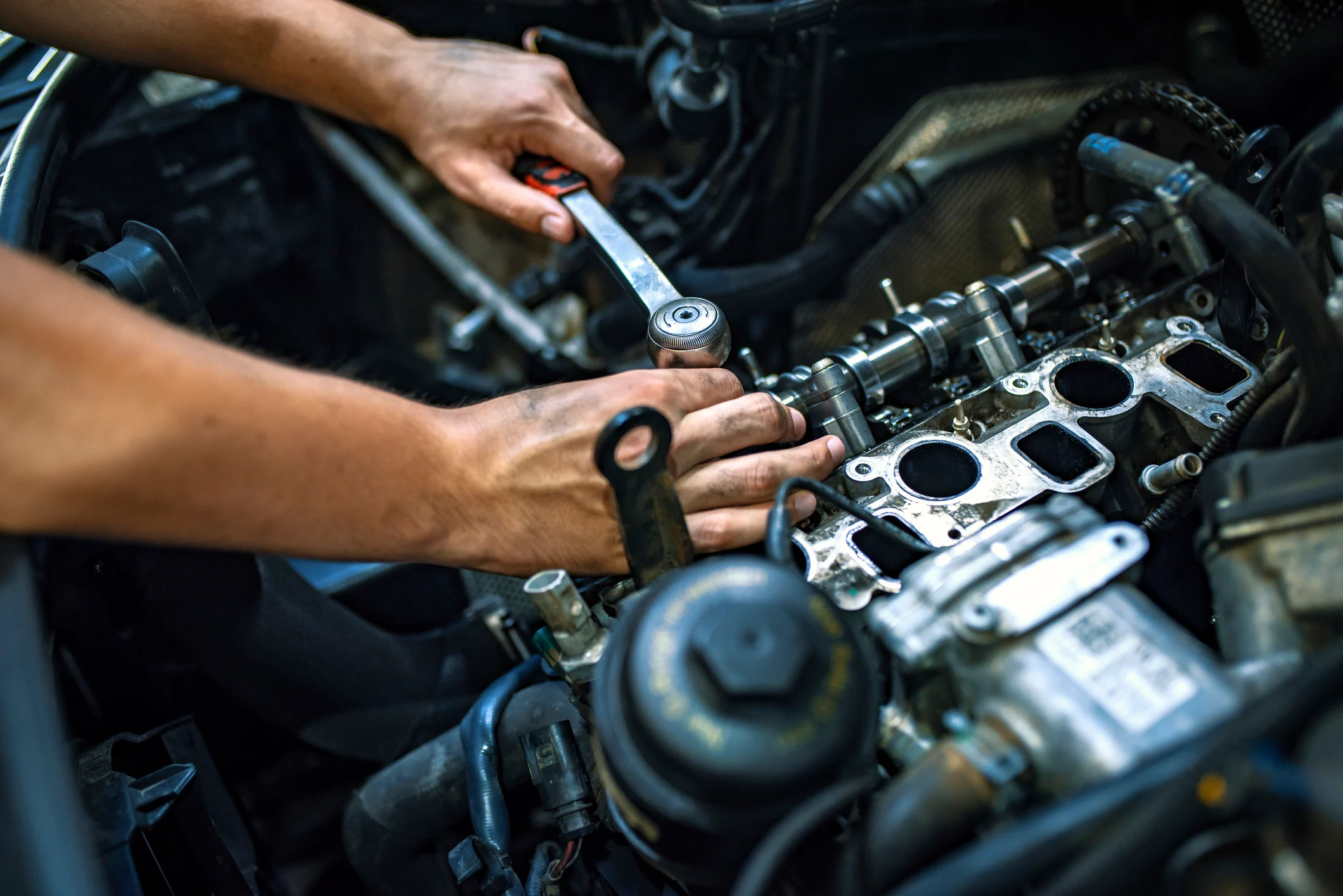
Buying a used car can be a smart investment, but it comes with risks if the engine has hidden issues. Detecting engine problems before making a purchase can save you thousands in repairs and prevent unexpected breakdowns. Knowing what to look for and performing basic checks can help you make a confident decision.
This guide explains how to check car engine problems before buying and what signs to watch for.
Why Engine Checks Are Important
The engine is the heart of a vehicle. A faulty engine can lead to:
-
Expensive repairs or replacements
-
Reduced fuel efficiency
-
Poor performance and reliability
-
Safety hazards on the road
Performing a thorough engine check ensures you buy a car that’s both reliable and safe.
Steps to Check Car Engine Problems
1. Examine Engine Oil
Engine oil indicates the condition of the engine.
Tips:
-
Check the oil level using the dipstick
-
Inspect the color: clean oil is amber; dark, gritty oil may indicate poor maintenance
-
Smell the oil: a burnt odor may signal overheating issues
Clean, well-maintained oil usually means the engine has been cared for.
2. Look for Leaks
Leaks are a common sign of engine problems.
What to check:
-
Puddles under the car
-
Oil stains around the engine
-
Coolant or transmission fluid leaks
Leaks can be expensive to fix, so they’re a red flag.
3. Inspect Belts and Hoses
Worn belts and hoses can lead to engine failure.
Check for:
-
Cracks or fraying on belts
-
Bulging, brittle, or soft hoses
-
Signs of oil or coolant residue around connections
Replacing these components can be costly if neglected.
4. Listen to the Engine
Start the engine and listen carefully.
Warning signs:
-
Knocking or ticking noises
-
Irregular idling
-
Excessive exhaust smoke
Unusual sounds may indicate serious internal problems.
5. Check for Warning Lights
Dashboard warning lights can indicate hidden issues.
What to do:
-
Turn on the ignition and ensure all lights function
-
Look for check engine, oil pressure, or temperature warnings
Any persistent lights during a test drive require further investigation.
6. Test Drive the Car
A test drive is essential to assess engine performance.
Focus on:
-
Acceleration and smoothness
-
Gear shifts in automatic or manual transmission
-
Unusual vibrations or noises
-
Response when braking
A reliable engine should run smoothly without hesitation or strange sounds.
7. Examine Engine History
Ask for maintenance records or a Carfax report.
What to check:
-
Past repairs and replacements
-
Service intervals and oil changes
-
Any history of accidents affecting the engine
A well-documented history increases confidence in the car’s condition.
8. Consider a Professional Inspection
Even if everything looks fine, a mechanic can identify hidden issues.
Benefits:
-
Detects problems you may miss
-
Provides an unbiased evaluation
-
Can prevent future costly repairs
Spending a little upfront can save thousands later.
Quick Checklist Before Buying
| Check | What to Look For |
|---|---|
| Engine oil | Clean, proper level, no burnt smell |
| Leaks | Oil, coolant, transmission fluid |
| Belts & hoses | No cracks, fraying, or bulging |
| Engine noise | Smooth idling, no knocking |
| Warning lights | None active during ignition/test drive |
| Test drive | Smooth acceleration and braking |
| Service records | Regular maintenance and repairs |
| Professional inspection | Optional but recommended |
Tips to Avoid Buying a Problematic Engine
-
Always perform a test drive
-
Verify maintenance records
-
Avoid cars with unusual engine noises or warning lights
-
Inspect fluids and hoses carefully
-
Consider trusted models known for reliability, including those featured in Best Cars for Families with Advanced Safety Features
Reliable cars are often well-maintained, making engine issues less likely.
Common Mistakes to Avoid
-
Relying only on appearance without checking the engine
-
Skipping a test drive
-
Ignoring strange smells or sounds
-
Failing to review service history
-
Assuming older cars always have engine problems
Being thorough helps you make a safe and informed purchase.
Frequently Asked Questions (FAQs)
1. How can I tell if a car engine is in good condition?
Check oil, listen for unusual noises, look for leaks, and review maintenance records.
2. Should I hire a mechanic for an engine check?
Yes, a professional inspection can uncover hidden issues that aren’t visible.
3. Are high-mileage cars risky to buy?
High mileage isn’t always a problem if the car has been properly maintained.
4. Can I spot engine problems during a short test drive?
Yes, irregular noises, vibrations, or poor acceleration are warning signs.
5. Is engine history important?
Absolutely—records of maintenance and repairs indicate how well the car has been cared for.
Conclusion
Checking a car’s engine before buying is crucial for making a smart investment. From inspecting fluids and belts to listening for unusual noises and reviewing maintenance records, careful evaluation can save you from costly repairs and frustration.