
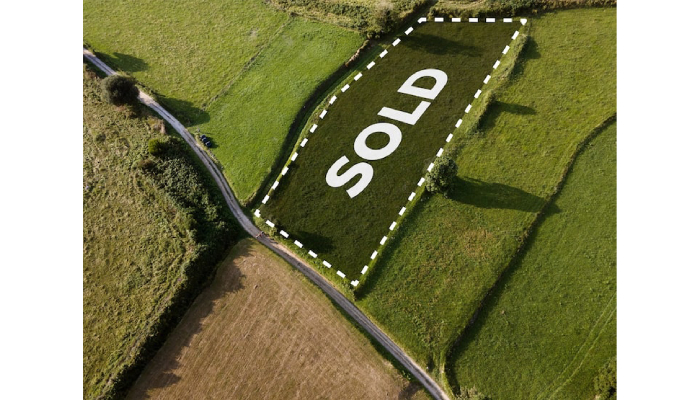
Before buying property in Florida, it’s super important to check land boundaries carefully. Start by gathering information from county property appraiser websites and local tax records, which can be a goldmine of data. Hiring a professional surveyor is another smart step; they provide precise measurements of your land and help identify any easements or encroachments. Don’t forget legal considerations too, like understanding zoning laws and possible liens on the property. Always follow essential steps: visit the site multiple times, talk to neighbors if possible for firsthand info, and consult with real estate professionals. This thorough approach can save you headaches down the road!
Understand Florida Land Boundaries
In Florida, understanding land boundaries is crucial before making a purchase. The Public Land Survey System (PLSS) is the foundation, dividing land into townships and sections, which helps in identifying property locations. Some properties are described using metes and bounds, which detail the perimeter through specific measurements and landmarks, while others use rectangular surveys based on the PLSS framework. Plat maps are essential tools, showing the layout of land subdivisions, street locations, and easements, thus providing a visual representation of boundaries. Historical land grants can also affect current property lines, as they may create irregular boundaries based on old claims or agreements.
Natural features like rivers, lakes, and hills can significantly influence property lines. For instance, a river that shifts over time might change the boundary between two properties. Fences and markers are often used to establish boundaries, but they can lead to disputes if not placed accurately or maintained. Understanding boundary lines in legal documents is vital, as they specify the exact limits of the property you are interested in.
Buy land in Florida, often arising from unclear property lines or misunderstandings about ownership. These disputes can be resolved through negotiation, mediation, or even legal action in court. Additionally, the concept of adverse possession allows someone to claim land under certain conditions, which can complicate boundary issues if not properly understood. Finally, local land use plans can affect property boundaries, as zoning laws may change how land can be used, impacting future developments. Knowing these factors can empower you to make informed decisions regarding land purchases in Florida.
- Learn about the Public Land Survey System (PLSS) used in Florida
- Understand the difference between metes and bounds descriptions and rectangular surveys
- Identify the significance of plat maps in defining land boundaries
- Research historical land grants and their impact on current boundaries
- Understand how water bodies and natural features influence land boundaries
- Learn about the role of fences and markers in boundary disputes
- Know how to interpret boundary lines in legal documents
- Research common boundary disputes and how they are resolved in Florida
- Understand the concept of adverse possession and its implications on land boundaries
- Become familiar with local land use plans and how they affect property boundaries
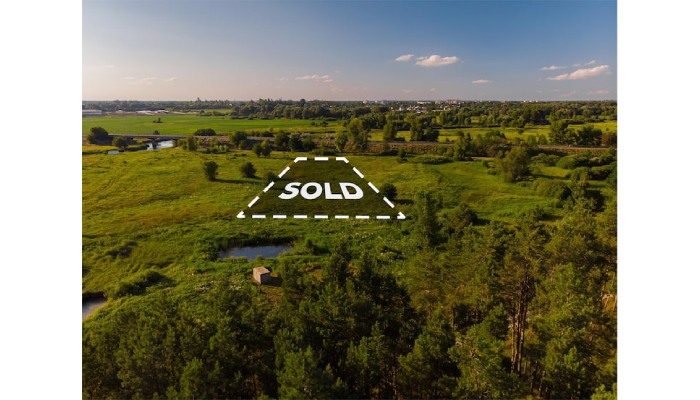
Research Property Records Online
Before making a big investment, it’s crucial to dive into property records. Start by visiting the Florida Department of State’s website, which offers a treasure trove of property information. Each county in Florida has its own property appraiser website where you can find detailed property records, including ownership history and tax assessments. Knowing how to navigate these online databases for public records is essential; they often provide insights into any liens or encumbrances that may affect your purchase.
Understanding property tax records can reveal not just the current assessed value but also past tax payments, which might indicate financial stability or issues with the property. For a more visual approach, GIS (Geographic Information System) tools can be a game-changer, allowing you to analyze property boundaries and surrounding areas on a map.
Don’t overlook the importance of researching historical property ownership through online archives, as this can provide context on how the property has changed over time. Learning to find and interpret property survey maps online is also key; these documents detail the exact dimensions and layout of the land. Additionally, checking zoning information and land use regulations online can inform you about what you can do with the property. Finally, engaging with online forums or community groups can yield valuable insights from locals who may have firsthand knowledge about property boundaries in the area.
Use Professional Survey Services
When you’re ready to check land boundaries, hiring a professional surveyor is a smart move. Start by researching licensed land surveyors in your area, as their expertise can save you from future headaches. There are different types of surveys to consider, including boundary surveys that define property lines, topographic surveys that map the land’s features, and ALTA/ACSM surveys that are often required for commercial properties. Getting quotes from multiple surveyors allows you to compare costs and services, ensuring you find the right fit for your needs.
Before making a decision, check the surveyor’s credentials and experience. A qualified surveyor will be happy to discuss your specific concerns and needs, helping you understand what the survey report will include and how to interpret it. Don’t hesitate to ask how long the survey will take to complete, as timelines can vary.
Additionally, it’s crucial to have a written contract outlining the scope of work. This protects both you and the surveyor, ensuring that there are no surprises later on. Remember, having a survey done before closing on a property is essential; it can reveal encroachments, boundary disputes, or other issues that could impact your investment. Finally, keep a copy of the survey for your records, as it may be invaluable in case of future disputes.
Check Local Zoning Laws
Before you make that exciting leap into property ownership in Florida, it’s crucial to check local zoning laws. Start by visiting your local zoning office or their website to gather essential information. Zoning classifications, which can range from residential to commercial or agricultural, dictate how you can use the land. For example, if you’re eyeing a piece of land for a new home, understanding its residential zoning is vital to ensure you can build as you dream.
Don’t forget to check for any special use permits that might apply to your property. These permits can allow for certain activities that aren’t typically permitted under standard zoning classifications, adding versatility to your property plans. Additionally, familiarize yourself with the building codes and regulations in your area, these rules ensure your future home is safe and up to standard.
Stay ahead of unexpected changes by researching any upcoming zoning modifications that could impact your property value or use. If you find that the current zoning doesn’t fit your needs, understanding the process for obtaining zoning variances can open up opportunities for adjustments.
Investigate any restrictions on land use or development that might be in place, as well as any environmental regulations that could affect your plans. For instance, if the property is near a wetland area, there may be strict regulations on development. Lastly, consulting with local planning boards can provide insights into future developments in the area, helping you make a more informed decision about your investment.
Review Title Deeds and Easements
When you’re ready to dive into buying property in Florida, reviewing the title deed is a crucial step. Start by obtaining a copy from the county clerk, where you can find essential details about the property. A title deed typically includes the property’s legal description, ownership history, and any recorded easements. Understanding easements is vital, as they can affect how you use your land. For example, an easement might grant a neighbor access to a portion of your property, which could limit your privacy or development plans.
There are two main types of easements: appurtenant easements, which benefit a specific parcel of land, and easements in gross, which benefit an individual or entity without being tied to any land. It’s also important to check for any covenants or restrictions that could impose rules on how you can use the property. Additionally, make sure to look for outstanding mortgages or liens, as these financial claims can complicate your purchase. If you find any issues in the title deed, don’t worry; you can resolve them with the help of a title company. They can conduct a comprehensive title search, ensuring that everything is clear before you finalize your purchase. Keeping all these documents for your records is also a wise move, as they can be vital for future reference.
Consult with a Real Estate Attorney
When navigating the complex waters of buying property in Florida, consulting with a real estate attorney can be invaluable. Look for an attorney who specializes in Florida property law and has experience with land boundary issues. Scheduling a consultation allows you to discuss your unique situation, ensuring you understand any potential legal challenges related to land boundaries. They can clarify your rights as a property owner and provide essential advice on contracts and negotiations. If boundary disputes arise, knowing the legal implications is crucial, and your attorney can guide you through the process of resolving these issues, whether through mediation or court. Moreover, understanding the importance of disclosure in real estate transactions is key, and your attorney will help you navigate this aspect to avoid unpleasant surprises. Before signing any legal documents, having your attorney review them can save you from future headaches. Their ongoing support throughout the buying process ensures that you’re not just making a purchase, but making a well-informed investment.
Follow Essential Steps Before Buying
Before diving into the exciting world of property buying in Florida, it’s crucial to follow essential steps that will set you up for success. Start by getting pre-approved for a mortgage. This not only clarifies your budget but also shows sellers that you’re a serious buyer. Next, conduct thorough research on the property and its neighborhood. Look into local amenities, schools, and any future developments that could impact your investment. Visiting the property multiple times at different times of day can help you gauge the area’s vibe and noise levels, making sure it fits your lifestyle.
Create a checklist of must-have features and deal-breakers to keep your priorities straight. It’s easy to get swept away by emotions, so having clear criteria will help you make informed decisions. Consider hiring a real estate agent who knows the local market well. They can provide valuable insights and help you navigate negotiations based on your research and current market conditions.
Once you’ve settled on a property, don’t skip the home inspection. This step can uncover potential issues that might not be visible during your visits. Review all disclosures provided by the seller carefully, as these documents can reveal important information about the property’s condition. Finally, finalize your financing and prepare for closing. Keeping all records and documentation organized will be invaluable for any future reference or issues that may arise.
Frequently Asked Questions
What are land boundaries, and why do they matter when buying property in Florida?
Land boundaries are the precise edges that define the area of a property. They matter because they help you understand exactly what land you are purchasing, preventing disputes with neighbors or future issues regarding property lines.
How can I find out where my property boundaries are?
You can find out where your property boundaries are by checking the property’s deed, looking at a land survey, or using mapping tools online, like county GIS (Geographic Information System) websites.
What is a land survey, and should I get one before buying?
A land survey is a detailed map created by a licensed surveyor that shows property lines and features. Yes, getting one before buying is a smart move, as it gives you a clear understanding of the land you’re buying.
What is the difference between a title search and a land survey?
A title search checks the legal ownership and any claims against the property, while a land survey shows the property’s physical boundaries. Both are important to ensure a safe purchase.
What should I do if there are disputes over boundaries after I buy?
If you encounter boundary disputes after your purchase, start by discussing the issue with your neighbor. You might also need to consult a surveyor for clarification and, if necessary, a lawyer to resolve any legal aspects.