
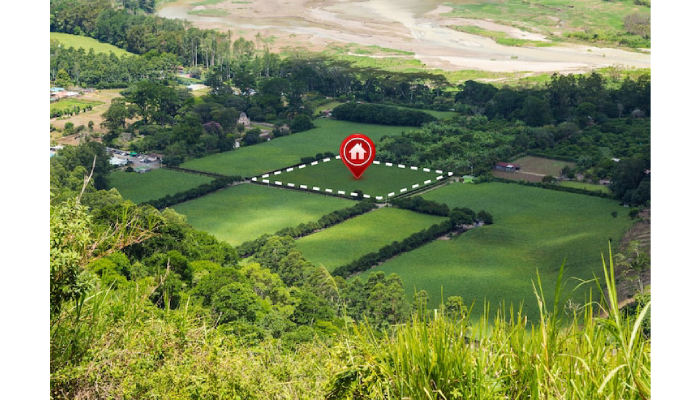
Before buying land in Florida, it’s vital to check the boundaries to avoid future headaches. Start by understanding the importance of a boundary survey, as this will give you clear insights about property lines and corner markers. Begin your journey by researching property deeds at your local county courthouse, then hire a professional surveyor for accurate measurements, typically costing between $300 and $800. For added convenience, online property records can be accessed through local government websites using Geographic Information System tools. Be aware that surveys can reveal issues like encroachments or hidden violations that could complicate your investment. So get informed and secure peace of mind!
1. Understand Boundary Surveys for Property Lines
Buy land in Florida are essential tools that help you accurately map your property lines, ensuring you clearly understand ownership. This clarity helps minimize disputes with neighbors, a common problem that can arise when boundaries are unclear. Knowing exactly where your property begins and ends is crucial, especially if you plan to embark on construction or landscaping projects. A boundary survey identifies the corners of your land, allowing you to make informed decisions about renovations or expansions.
Additionally, these surveys can uncover potential encroachments from neighboring properties, safeguarding your investment and preventing future conflicts. They also have the power to reveal historical changes in property lines caused by natural events or legal adjustments, providing you with a comprehensive view of your land’s history.
The survey process is backed by advanced technology, including GPS and total stations, ensuring precise measurements that you can trust. The result is a detailed report that outlines the findings, which can serve as a valuable reference for years to come. Moreover, boundary surveys often highlight any easements or rights-of-way that might impact how you can use your property, giving you a complete picture before making a purchase. By clearly marking your boundaries, you not only protect your current investment but also enhance the property’s value, making it more appealing to future buyers.

2. Steps to Perform a Boundary Survey
Gathering all existing property documents is the first step in performing a boundary survey. This includes previous surveys, deeds, and tax maps, which will provide crucial information about your land’s legal description. Once you have all the necessary documents, contact licensed surveyors who are familiar with local regulations. Scheduling a site visit with the surveyor is essential, as it allows you to discuss any specific concerns you may have about your property.
During the visit, ensure the surveyor has access to all necessary areas of your land for accurate measurements. The surveyor will conduct a thorough field check, locating existing markers or monuments that indicate boundaries. It’s important to discuss any findings with the surveyor, especially if there are discrepancies between the documents and the physical markers.
After the survey is completed, you will receive a detailed survey drawing that outlines your property lines, corner markers, and any encroachments. Understanding the legal language in the survey report is crucial, as it informs you of your rights and responsibilities regarding the land. Finally, file the survey with your county property records to maintain an official record of your boundaries. Reviewing the survey periodically, especially before making changes or selling the property, will help you stay informed about your land.
3. Methods to Find Your Property Lines
Knowing your property lines is essential for any potential buyer in Florida. Start by taking advantage of online Geographic Information System (GIS) tools that local governments provide. These tools allow you to visualize property lines without even stepping foot on the land. Next, consult your property deed, as it contains a legal description that outlines your boundaries and may reference nearby landmarks. If you’re on-site, look for physical markers like pins or stakes that indicate the corners or edges of your land. Don’t hesitate to reach out to your neighbors, too; they can offer valuable insights or even share documentation about shared boundaries. Checking with your local planning or zoning office can also be helpful, as they may have recorded surveys or maps that clarify property lines. For the most accurate results, hiring a licensed surveyor is your best bet; they bring expertise and precision to the determination of property lines. Additionally, you can use satellite imagery tools like Google Earth to get an aerial view of your property and its surroundings. Participating in community land surveys or workshops might also provide you with extra resources and guidance. Lastly, consider using property boundary apps to visualize your land lines directly on your mobile device. By employing these methods, you can confidently navigate the complexities of property boundaries and make informed purchasing decisions.
4. Utilize State Resources for Land Records
In Florida, tapping into state resources for land records can be your best bet for ensuring you have accurate property boundaries. Start by visiting the Florida Department of Environmental Protection’s website, where you can access a treasure trove of land records and mapping tools. This can provide you with valuable insights into the geography of your potential property.
Additionally, don’t overlook your local county clerk’s office. They hold historical land records that can shine a light on past property lines, which may help you understand any changes that have occurred over time. Exploring state-maintained databases can also be beneficial; you can find essential survey information and public land surveys that clarify boundaries.
The Florida Land Records System is another fantastic resource for conducting online searches of property records and survey data. These platforms are designed to make it easier for you to find the information you need.
Consider attending local government meetings or workshops focused on land use and boundary issues. These gatherings often offer valuable information on zoning laws that could affect your property’s use and boundaries. The Florida Geographic Data Library is another gem, providing access to various datasets related to land.
If you find yourself confused about state-owned properties or boundaries, don’t hesitate to reach out to the Florida Division of State Lands for assistance. They can help clarify any discrepancies in land records or property descriptions. Staying updated on new legislation or changes in land surveying laws is also crucial, as these changes can significantly impact how boundaries are determined. Utilizing these state resources will empower you to make informed decisions before purchasing land in Florida.
5. Avoid Future Property Disputes
To steer clear of future property disputes, it’s essential to ensure your boundary survey is both up-to-date and properly recorded. This record supports your ownership claims and can be a critical asset when disagreements arise. Take the initiative to communicate openly with your neighbors about property lines. This can help foster goodwill and may prevent tensions over boundary issues. If you sense potential disputes, consider arranging a joint survey with them to agree on the results, ensuring everyone is on the same page.
Regularly reviewing your property lines is crucial, especially before undertaking any construction or landscaping projects. This proactive approach helps avoid encroachments. Keep a clear record of any conversations or agreements you have with neighbors regarding property lines; documentation can be invaluable if disputes arise later. Address minor disagreements promptly before they escalate, using surveys as reference points to clarify misunderstandings.
Using clear markers or fencing is another effective way to visibly delineate property boundaries, reducing the chance of confusion. Additionally, keep copies of all relevant documents, including surveys and deeds, easily accessible for reference during disputes. If conflicts do occur, engaging a mediator can facilitate an amicable resolution, saving you from lengthy legal battles. Finally, educate yourself on local property laws to better understand your rights and responsibilities as a property owner, empowering you to navigate issues with confidence.
Ensure your boundary survey is up-to-date and properly recorded to support your claims of ownership.
Communicate with neighbors about property lines and any potential issues that may arise, fostering goodwill.
Consider having a joint survey with neighbors if disputes over boundaries are anticipated, to agree on results.
Regularly review property lines, especially before any construction or landscaping projects, to avoid encroachments.
Document any conversations or agreements with neighbors regarding property lines to have a clear record.
Be proactive in addressing minor disputes before they escalate into larger conflicts, utilizing surveys as reference points.
Use clear markers or fencing to delineate property boundaries visibly and prevent misunderstandings.
Keep copies of all relevant documents, including surveys and deeds, accessible for reference during disputes.
Engage a mediator if disputes arise, as they can help resolve issues amicably without legal battles.
Educate yourself on local property laws to better understand your rights and responsibilities as a property owner.
6. Discover Hidden Violations Before Buying
Before making a purchase, uncovering hidden violations is crucial to protect your investment. A professional survey can reveal significant issues like encroachments from neighbors, which can lead to disputes and added costs. It’s also essential to check for any zoning law violations or setbacks that might restrict how you plan to use the property, particularly if you have future development in mind.
Additionally, you should identify any unpermitted structures that may exist on the property. These could lead to fines or even forced removals, turning your dream home into a headache. Environmental restrictions or hazards may not be obvious during a casual inspection, so it’s wise to consider hiring an environmental consultant for a thorough assessment.
Don’t forget to look into any unresolved code violations that could impact the property’s value or livability. Ensuring compliance with local regulations before finalizing your purchase can save you from future headaches. Reviewing title insurance for claims regarding property boundaries or disputes is also vital.
Discuss your findings with a real estate attorney to understand the implications of any violations you discover. Lastly, staying informed about local zoning changes is essential, as these can affect your property’s future use and value.
8. Contact Local Authorities for Guidance
Engaging with local zoning offices is a smart move when you’re about to buy land in Florida. They can clarify any property regulations or restrictions that might affect your land. Don’t forget to visit the county clerk’s office, as it’s a goldmine for accessing public records related to property ownership and boundaries. If you’re unsure about how to obtain a boundary survey, ask local officials for guidance, they’re there to help you navigate the steps involved. You can also request a list of reputable local surveyors or firms known for their quality work. It’s wise to inquire about any recent changes in property laws that could impact your rights as a property owner. If you find yourself facing disputes with neighbors over property lines, local authorities can offer advice on how to handle these situations. Get involved in local town hall meetings to gain insights on property and zoning issues, plus it’s a great way to network with officials. Consider utilizing local resources like workshops or seminars to educate yourself more about property rights and boundary issues. Staying updated on local ordinances can be as simple as signing up for newsletters or following local government websites. Building relationships with local authorities will provide ongoing support for any property management concerns you might have in the future.