
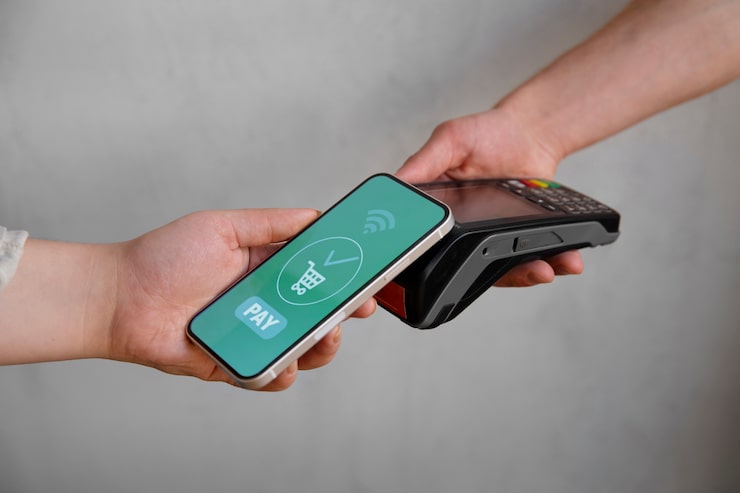
Choosing a mobile card machine in the UK can seem overwhelming, yet it’s vital for any business looking to thrive. With around 85% of transactions now made using cards, having the right machine is paramount. First, consider your specific needs. There are countertop machines for stores, portable ones for restaurants, and mobile devices perfect for deliveries. Make sure to check what payment methods each machine supports and how fast they process transactions, under three seconds is ideal. Think about connectivity options too; flexibility is key in today’s environment. Ultimately, evaluate costs wisely and ensure compliance with all regulations to safeguard your customers’ data.
1. Understanding Mobile Card Machines in the UK
Mobile card machine in UK have become essential tools for businesses across the UK, enabling them to facilitate cashless transactions seamlessly. These machines allow for various payment types, including contactless options, which are increasingly preferred by customers. The rise of e-commerce has made it vital for businesses to adopt mobile card machines, as many consumers now favor card payments over cash. By reducing friction at checkout, these devices can accelerate transaction times, ultimately boosting sales.
Compact and portable, mobile card machines offer flexibility, allowing businesses to take payments in various locations, whether at a market stall or while delivering goods. Many models come equipped with features like receipt printing and options for customer feedback, adding extra value to the service. Understanding the underlying technology, such as chip and PIN systems, helps businesses select the right machine tailored to their needs. Typically linked to a payment processor, these machines handle transactions efficiently while managing associated fees. Additionally, many mobile card machines provide insights into customer spending patterns through reporting features, which can inform business strategies. The growing adoption of these devices highlights their significant role in enhancing the customer experience and driving sales.

2. Types of Mobile Card Machines Available
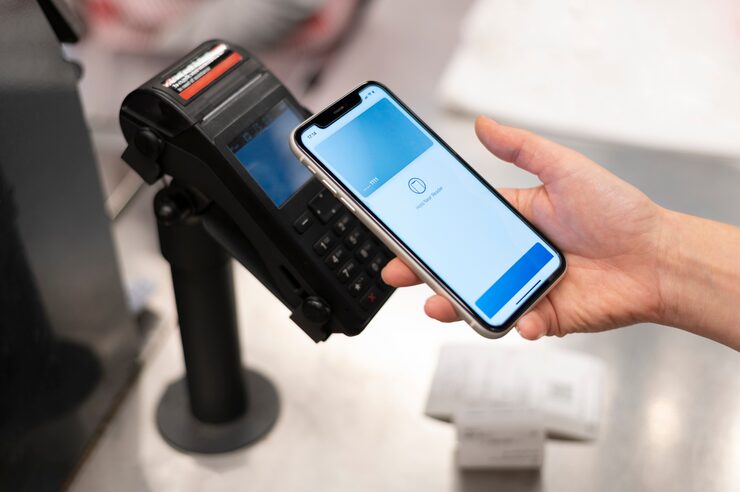
In the UK, mobile card machines come in several types, each tailored to different business needs. Countertop machines are fixed devices, typically found in retail settings where transactions occur at a point of sale. They connect via Wi-Fi or a phone line, providing robust features for in-store payments. On the other hand, portable machines are designed for flexibility, making them ideal for cafes and restaurants that require table-side payment options. These devices usually connect via Bluetooth or Wi-Fi, allowing staff to take payments away from the counter.
Mobile machines are perfect for on-the-go businesses, such as delivery services, as they utilize 4G connectivity, enabling payment acceptance anywhere with a mobile network. It’s essential to choose machines that support multiple payment methods, including EMV chip cards, magnetic stripe cards, and contactless payments, to cater to various customer preferences.
Integrated systems combine payment processing with inventory management, creating a streamlined solution for businesses that need to keep track of stock while handling transactions. For small businesses, standalone devices can be beneficial due to their minimal setup requirements, allowing for quick and easy payment processing.
Some models come equipped with built-in printers for receipts, while others may need a separate printer. Additionally, certain machines offer add-ons like barcode scanners or loyalty program integration, enhancing their functionality and helping businesses improve customer engagement. Cloud-based solutions provide remote access to transaction data, simplifying sales management. Every type of mobile card machine has unique features, so evaluating which one aligns best with your specific business operations is crucial.
3. Important Factors When Choosing a Machine
When selecting a mobile card machine, understanding the total cost of ownership is essential. This includes not just the purchase price, but also transaction fees and any monthly fees that may apply. Evaluating customer support options is equally important; having reliable support can make a significant difference in resolving issues quickly, which is vital for maintaining business operations.
A user-friendly interface is another crucial factor. Machines that your staff can learn to use quickly will reduce training time, allowing you to serve customers faster. Additionally, check for compatibility with your existing systems, such as accounting software or e-commerce platforms, to ensure seamless integration.
Security features should be a top priority. Look for machines equipped with encryption and fraud detection capabilities to protect your customers’ data. Battery life and charging options are also important, especially for portable machines used in various locations; a longer battery life means less downtime.
Consider additional features like analytics tools that can help you track sales trends and customer behavior, which can inform your business strategies. Moreover, be sure to assess the warranty and return policy to safeguard your investment if the machine does not meet your needs.
The machine’s design and durability are also critical, as a robust construction can withstand daily wear and tear in a busy environment. Finally, reading reviews and testimonials will give you insight into the real-world performance of the machines you are considering, helping you make a more informed choice.
- Understand the total cost of ownership, including purchase price, transaction fees, and any monthly fees.
- Evaluate customer support options from the provider, as reliable support can be crucial for resolving issues quickly.
- Look for machines with a user-friendly interface that staff can learn to use quickly, minimizing training time.
- Check for compatibility with your existing systems, such as accounting software or e-commerce platforms.
- Consider the security features, such as encryption and fraud detection, to keep customer data safe.
- Assess the battery life and charging options, especially for portable and mobile machines used in various locations.
- Research additional features like analytics that can help track sales trends and customer behavior.
- Consider the warranty and return policy of the machine to protect your investment if it doesn’t meet your needs.
- Evaluate the machine’s design and durability, as a robust construction can withstand daily wear and tear.
- Read reviews and testimonials to gauge real-world performance of the machines you are considering.
4. Analyzing Costs for Mobile Card Machines
When considering a mobile card machine, it’s crucial to analyze the costs involved. First, identify the upfront costs for purchasing or leasing the machine. These prices can vary significantly; some machines may be available for free, while others can cost several hundred pounds. Next, understand the transaction fee structure, which is typically a percentage of each sale. Some providers may also impose minimum fees for transactions, so it’s wise to clarify these details upfront.
Additional features like integrated printers or advanced connectivity options can add to the overall cost. It’s also important to check if the machine has a monthly fee, as this can impact your budget. Some options come with no monthly fees but may have higher transaction costs, while others may require a commitment but offer lower fees.
Be sure to look for hidden fees, such as charges for customer service or maintenance, as these can affect your total expenses. Compare the costs across different providers to ensure you’re getting the best value for the features you need. Your transaction volume is another factor to consider; a pay-as-you-go model might be more cost-effective for lower volumes, while a contractual agreement could save money for businesses with higher sales.
Calculating the return on investment is also essential. Estimate how the machine could enhance your sales and efficiency, as this can justify the initial and ongoing costs. Lastly, consider long-term costs, including potential upgrades or replacements as technology evolves. Don’t hesitate to negotiate with providers, as some may offer discounts or incentives to attract new businesses.
5. Evaluating Providers and Their Offerings
Researching multiple providers is crucial when choosing a mobile card machine. Start by comparing the range of machines and services available. User reviews and ratings can give you insight into customer satisfaction, which is vital for making an informed decision. Customer support should also be a priority; evaluate the availability and responsiveness of support teams, as having help when you need it can save a lot of headaches.
It’s worth checking if providers offer free trials or demos. This way, you can test the machine’s functionality and ease of use before committing financially. Also, scrutinize the contract terms, including the length, cancellation policies, and any early termination fees. Understanding these details can prevent unexpected costs down the line.
Customization options are another aspect to consider. Some providers allow you to tailor services to better fit your business needs, which can be a significant advantage. Additionally, inquire about integration capabilities with your existing software systems like accounting or inventory management, as seamless integration can streamline operations.
Look for value-added services, such as analytics tools or marketing support, which can enhance your business performance. Lastly, take the time to gauge the provider’s reputation in the industry, focusing on their reliability and innovation track record. Ensure that the technology they use aligns with current security standards, as this is critical for protecting customer data.
6. Compliance and Integration Requirements
When selecting a mobile card machine in the UK, compliance with regulations is crucial. Ensure the device meets UK standards, particularly the PCI DSS, which safeguards customer data during transactions. It’s also important to verify that the machine supports robust encryption and security protocols to mitigate the risk of fraud.
Additionally, assess how well the card machine integrates with your existing business systems, like your POS software or online sales platforms. This can streamline operations and enhance efficiency, so check if the provider offers integration support to assist with setup within your current infrastructure.
Understanding data management practices is vital too, as you’ll want to handle customer information securely and responsibly. Evaluate how the machine stores transaction data and your access to this information for reporting purposes. Furthermore, consider the ease of software updates and maintenance, ensuring the machine remains compliant with evolving regulations.
Look for features that aid in reporting and tax compliance, which can simplify your accounting tasks. If your business relies on custom applications, inquire about API availability for seamless integrations. Staying informed about regulatory changes that may affect compliance requirements over time is also critical, as it helps you adapt and maintain secure operations.
7. Recommendations for Selecting the Right Machine
Start by clearly defining your business needs, such as transaction volume and how you interact with customers. For example, if your business involves high foot traffic, you might prefer a countertop solution, while mobile operations like food delivery services would benefit from a portable machine. Testing the machine in real-world conditions can help you gauge its functionality, ensuring it meets your expectations. Budget is important too, but focus on features that enhance customer experience, like fast payment processing and a user-friendly interface.
Make sure to review the terms of any contract thoroughly to avoid unexpected fees or obligations. Stay informed about new technologies in payment processing, which can help you make decisions about future upgrades. Consulting with peers or industry experts can provide valuable insights based on their experiences. Also, consider how easy the machine is to use for both staff and customers, as this will reduce training time and improve usability.
As your business grows, regularly reassess your payment processing needs to ensure your chosen machine remains suitable. Finally, base your decision on a combination of features, costs, and the reliability of the provider, to find the best option for your specific situation.
Frequently Asked Questions
What features should I look for in a mobile card machine?
When choosing a mobile card machine, you should consider features like portability, battery life, connectivity options (like Bluetooth or Wi-Fi), transaction speed, and user-friendly interface.
How important is security when selecting a mobile card machine?
Security is very important. Look for features such as encryption, secure payment processing, and compliance with regulations like PCI DSS to ensure your transactions are safe.
Can I use a mobile card machine with my existing payment system?
Yes, many mobile card machines integrate easily with existing payment systems. Just make sure to check compatibility with your current software.
What types of businesses can benefit from using a mobile card machine?
Mobile card machines are great for various businesses, including retail shops, food trucks, service providers, and any business that requires on-the-go transactions.
How do I know if a mobile card machine is reliable?
Check reviews, ratings, and customer feedback about the machine. Look for information on performance, customer support, and overall user experience.
TL;DR When choosing a mobile card machine in the UK, consider the type of machine that best suits your business needs, such as countertop, portable, or mobile options. Pay attention to key factors like payment methods, transaction speed, connectivity, security features, and portability. Analyze costs including upfront purchases, transaction fees, and monthly charges. Research different providers for the best solutions, ensuring compliance with UK regulations and compatibility with existing systems. Regularly assess your card machine to keep up with evolving payment technologies.