

Choosing an orthopedic surgeon in New Orleans can feel like a daunting task, but it really doesn’t have to be. First, consider their qualifications, such as board certification and experience in treating your specific condition. Additionally, patient reviews offer insight into the surgeon’s skills and bedside manner. Don’t forget to check if they are affiliated with a reputable hospital or clinic. It’s important to have a few consultations as well; this allows for questions and helps gauge comfort levels with the surgeon. All these factors combined can help you make an informed decision that suits your health needs best.
1. Understand Your Orthopedic Needs
Choosing an orthopedic surgeon new orleans begins with understanding your specific orthopedic needs. Start by identifying the areas where you feel pain or experience mobility issues. Are you suffering from a fracture, arthritis, or perhaps a sports injury? Each condition requires different expertise and treatment approaches. Reflect on how your condition impacts your daily activities; for instance, if knee pain prevents you from walking your dog or participating in hobbies, it’s crucial to communicate this when seeking help.
Consider any previous treatments you’ve tried, whether they were effective or not. This helps your new surgeon understand your medical history better. Also, take into account any underlying health conditions that could affect your treatment options, such as diabetes or heart disease. Do you think you might need surgical intervention, or are you looking for non-surgical options like physical therapy or medication?
The urgency of your situation also matters, if you are in severe pain or unable to move, it’s essential to act quickly. Discussing your symptoms with your primary care doctor can provide valuable insights and referrals. Additionally, be sure to understand the potential outcomes of various treatment options and be clear about your expectations for recovery. Knowing what you hope to achieve will help guide your conversations with prospective surgeons.
- Identify specific pain areas or mobility issues.
- Consider the type of orthopedic condition: fractures, arthritis, etc.
- Reflect on how your condition affects daily activities.
- Think about any previous treatments you’ve tried.
- Assess any underlying health conditions that may influence treatment.
- Determine if you need surgical or non-surgical intervention.
- Consider the urgency of your orthopedic needs.
- Discuss symptoms with your primary care doctor.
- Understand the potential outcomes of treatment options.
- Be clear about your expectations for recovery.
 2. Research Qualifications and Experience
 2. Research Qualifications and Experience
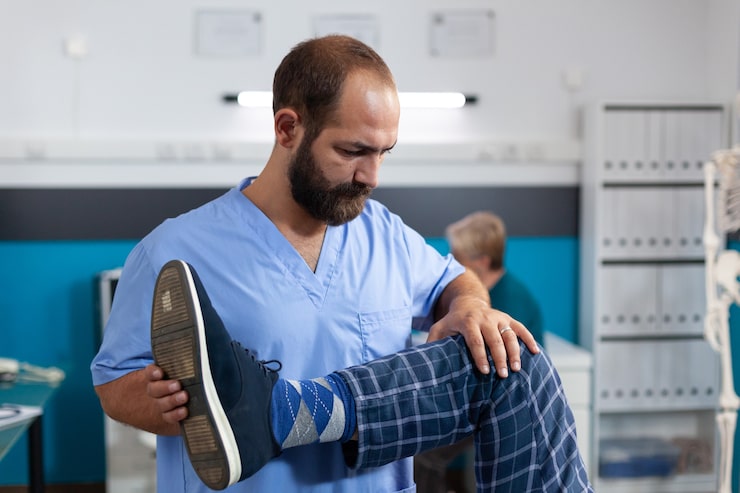
To ensure you choose the right orthopedic surgeon, start by verifying their board certification in orthopedic surgery. This certification confirms that the surgeon has completed the necessary training and has passed rigorous exams. Next, delve into their educational background and training. Knowing where they studied and the type of residency they completed can provide insight into their expertise. It’s also important to consider how many years they have been practicing; a surgeon with extensive experience may handle complex cases more effectively.
Look into any subspecialty training they may have. For example, if you need a specific procedure like joint replacement, see if the surgeon has additional training in that area. Check if they are affiliated with reputable medical institutions, as this can reflect their commitment to high standards of care. Additionally, review any fellowships or extra certifications they hold, which can indicate a dedication to staying updated in their field.
Investigate their record for any disciplinary actions or malpractice claims. This information can help you gauge their professional reputation. Also, consider their experience with specific procedures you may require. A surgeon who frequently performs the type of surgery you need might yield better outcomes. Look for evidence of continuous education or training, which demonstrates their commitment to keeping up with advancements in orthopedic surgery. Finally, if they have teaching or mentoring roles, it can be a sign of their expertise and respect in the medical community.
3. Evaluate Surgeon Specializations
When choosing an orthopedic surgeon, it’s crucial to evaluate their specializations. Start by identifying if the surgeon has expertise in your specific condition, whether it’s a sports injury, arthritis, or a fracture. Some surgeons focus on areas like sports medicine, while others may specialize in joint replacement or pediatric orthopedics. If minimally invasive techniques are important for your recovery, check if the surgeon has experience with those methods.
Consider their approach to treatment: do they lean towards conservative methods or are they more aggressive with surgical options? Understanding this can help you align with a surgeon whose philosophy matches your preferences. Research their experience with both surgical and non-surgical approaches, as a well-rounded surgeon will offer various treatment options tailored to your needs.
Look into their involvement in professional organizations and whether they participate in clinical trials or research studies. This indicates their commitment to staying updated with the latest advancements in orthopedics. Additionally, ask about the number of similar surgeries they perform each year and their success rates for those procedures. This information can provide insight into their proficiency and reliability as a surgeon.
4. Check Hospital Affiliations
Finding out which hospitals your potential orthopedic surgeon is affiliated with is an important step in your selection process. The reputation and quality ratings of these hospitals can significantly impact your overall experience and outcomes. Look for hospitals known for their strong orthopedic departments, as this usually reflects a commitment to advanced surgical techniques and specialized care. Check the accreditation status of the hospital, as well as their safety records, to ensure you are choosing a facility that prioritizes patient safety.
Additionally, consider the technology available at the hospital. Advanced imaging and surgical tools can enhance the quality of care you receive. Proximity also matters; a hospital that is conveniently located can make a difference, especially if multiple visits are needed for follow-up care.
Take the time to review patient satisfaction ratings for the hospital, as these can provide insight into the quality of care and service you can expect. Some hospitals offer specialized orthopedic programs that may cater to your specific needs, so it’s worth investigating what each facility can provide. Don’t forget to look into the hospital’s emergency care capabilities; having access to swift emergency services can be crucial. Lastly, consider whether the hospital has a good rehabilitation program, as effective post-surgical recovery is essential for successful outcomes.
5. Read Patient Reviews and Testimonials
Before making a final decision on an orthopedic surgeon, it’s important to read patient reviews and testimonials. Start by searching for reviews on healthcare websites and forums, where patients share their experiences. Social media can also be a valuable resource for feedback on a surgeon’s performance, as many individuals post about their surgical journeys. Look for satisfaction ratings specifically related to the procedures you’re considering, which can give insight into the surgeon’s skills.
Pay attention to comments regarding the surgeon’s bedside manner and communication style, as these factors greatly influence the overall experience. Patients often mention how well they were informed about their procedures, so look for patterns in these reviews. It’s also crucial to note feedback on post-operative care, as a supportive recovery process can significantly impact your healing.
When reading reviews, look for both positive and negative patterns. A few negative comments can be normal, but if multiple patients mention similar concerns, it may be a red flag. Additionally, consider asking friends or family members for referrals based on their own experiences. This personal touch can often lead you to a trustworthy surgeon. Lastly, the volume of reviews can also help assess reliability; a surgeon with numerous reviews may indicate a well-established practice.
6. Consider the Surgeon’s Communication Style
Choosing an orthopedic surgeon is not just about their skills and experience, but also how well they communicate. Pay attention to how the surgeon explains medical terms and procedures. A good surgeon should be able to break down complex information into understandable language. It’s equally important that they listen to your concerns and questions, making you feel heard and valued. Clear answers about treatment options should be a priority, as this helps you make informed decisions about your care.
Assess their willingness to discuss the risks and benefits of different treatments. A surgeon who is open about potential complications shows a level of honesty that is crucial in the doctor-patient relationship. Additionally, they should be able to set realistic expectations for your recovery, so you know what to anticipate after surgery.
Look for a surgeon who encourages your involvement in the decision-making process. This collaborative approach can lead to better outcomes and a more personalized treatment plan. Evaluate their responsiveness to your follow-up questions, as this indicates their commitment to your care. A surgeon who takes the time to ensure you understand your care plan can help ease anxiety and build trust. Finally, during initial consultations, observe their demeanor. A friendly, approachable manner can make a significant difference in your comfort level as you navigate your orthopedic needs.
7. Assess Availability and Accessibility
Choosing an orthopedic surgeon also involves understanding their availability and accessibility. Start by checking how easily you can secure appointments and surgeries. Look for a practice that is conveniently located, as this will make it easier for you to attend consultations and follow-up visits. Evaluate the ease of scheduling appointments; some offices may have online booking, which can save you time. It’s also important to consider their office hours. If you have a busy schedule, flexibility in appointment times can be a significant advantage.
In today’s digital age, many surgeons offer telehealth options for consultations. This can be particularly helpful for initial assessments or follow-ups that do not require in-person visits. Additionally, assess the surgeon’s response time for inquiries or concerns. A dedicated staff for patient communication is a positive sign, as it indicates they value patient interaction and care.
Another aspect to consider is the wait time for appointments. Long waits can be frustrating, especially when you’re in need of care. Ensure that the surgeon is available for emergencies and inquire about their backup plan for after-hours care. Being prepared for unexpected situations is crucial in orthopedic care, so understanding their approach to emergencies can provide peace of mind.
8. Discuss Treatment Options and Approach
When choosing an orthopedic surgeon, it’s crucial to discuss all available treatment options, both surgical and non-surgical. Start by asking the surgeon about their preferred approach to your specific condition. Understanding their rationale behind the recommended treatment is vital, as it helps you gauge their expertise and thought process. It’s also important to consider whether they are willing to tailor treatment plans based on your unique needs. During your conversation, inquire about alternative therapies or the possibility of getting a second opinion if you’re unsure about the proposed plan. Look for a surgeon who provides educational materials about your condition, as this shows they value patient knowledge and engagement. Additionally, ask about the expected timeline for each treatment option, as well as potential side effects and complications that may arise. Understanding how they monitor your progress during treatment can give you insight into their thoroughness and dedication. Finally, discuss rehabilitation and recovery plans post-treatment, as these are essential for a successful outcome.
9. Review Costs and Insurance Coverage
Understanding the costs associated with your surgery is crucial when selecting an orthopedic surgeon. Start by inquiring about the total expenses for the procedure itself, as well as any associated treatments or tests. Check with your insurance provider to see what is covered under your plan, as this can significantly affect your out-of-pocket costs. Don’t hesitate to ask the surgeon’s office about payment plans or financing options that might be available. Additionally, consider potential costs for pre-operative tests, follow-up visits, and rehabilitation, as these can add up quickly. Transparency in pricing is important, so look for a surgeon who provides clear estimates. Make sure to ask about any extra fees related to anesthesia, facility charges, or other services that might not be immediately obvious. Researching whether the surgeon accepts multiple insurance providers can also be beneficial. Lastly, keep an eye out for any hidden fees associated with your treatment, as these can impact your overall financial commitment.
10. Schedule a Consultation to Meet the Surgeon
Scheduling a consultation is a crucial step in choosing the right orthopedic surgeon. Before your visit, prepare a list of questions that cover your concerns, treatment options, and the surgeon’s experience with similar conditions. During the consultation, pay attention to the office environment and the professionalism of the staff, as this can reflect the overall quality of care you can expect. Take note of how long the consultation lasts; a rushed appointment may indicate a lack of interest in your case.
Your comfort level is also essential. You should feel at ease discussing your medical history and any specific symptoms or concerns you have. Assess how well the surgeon listens to your questions and addresses your worries. A good surgeon will provide thorough explanations and answer your questions clearly, ensuring you leave with a better understanding of your condition.
Additionally, consider the feedback you receive from the office staff about the surgeon. Their insights can be valuable in evaluating the surgeon’s approach and patient care. After the meeting, reflect on whether you feel confident in the surgeon’s expertise and if they have laid out a clear treatment plan for moving forward.
Frequently Asked Questions
What should I look for in an orthopedic surgeon’s experience?
You want a surgeon who has a lot of experience with the specific type of surgery you need. Check how many similar surgeries they’ve done and how long they’ve been practicing.
How can I find out if an orthopedic surgeon is board certified?
You can visit the American Board of Medical Specialties website to check if the surgeon is board certified in orthopedic surgery. It’s a good way to ensure they have met specific training and examination standards.
What role do patient reviews and testimonials play in choosing a surgeon?
Reading patient reviews can give you insight into the surgeon’s skills and bedside manner. Look for patterns in the feedback to understand what other patients think about their experiences.
Is it important to choose a surgeon who specializes in my specific condition?
Yes, selecting a surgeon who specializes in your condition can lead to better outcomes. They will have a deeper understanding and expertise in the latest treatment techniques for your issue.
How do I know if a surgeon’s hospital is good for orthopedic care?
Research the hospital’s reputation in orthopedic care. Look for factors like the hospital’s ranking, the quality of their orthopedic department, and their success rates with surgeries similar to yours.
TL;DR Choosing an orthopedic surgeon in New Orleans involves understanding your specific needs, researching qualifications and experience, and evaluating specializations. It is important to check hospital affiliations, read patient reviews, and consider the surgeon’s communication style. Assess their availability, discuss treatment options, review costs and insurance coverage, and finally schedule a consultation to meet the surgeon.