
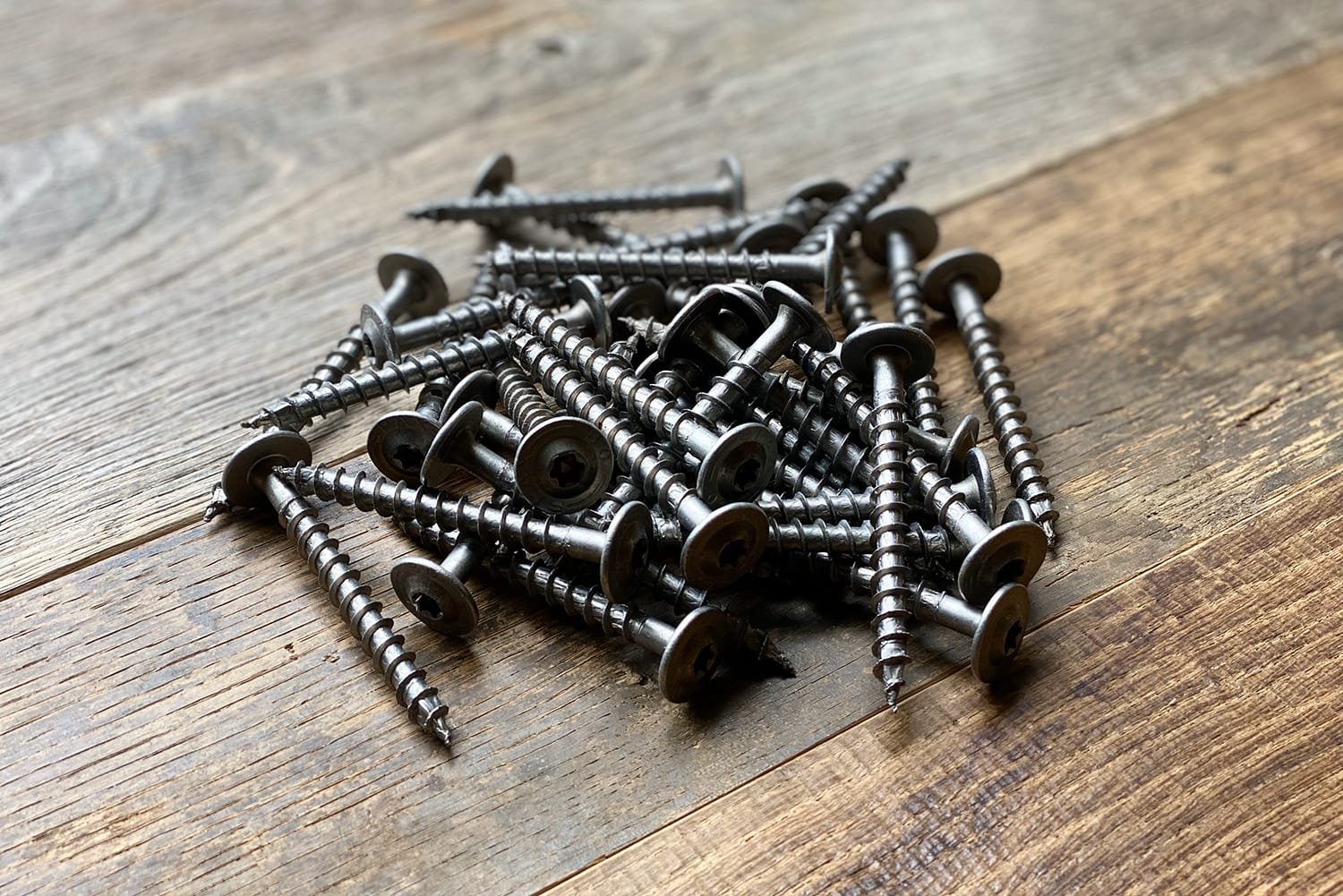
Selecting raw materials for screw manufacturing in India is crucial, as it affects the strength and durability of screws used in various industries like construction and automotive. It’s not just about picking a material; you need to think about its environmental exposure. Common choices include steel, which boasts high tensile strength, and stainless steel, known for its corrosion resistance. Aluminum works well where weight savings are important. Consider application requirements and budget when choosing materials; sometimes cheaper options can result in higher costs down the line due to maintenance. Partnering with reputable suppliers ensures quality standards are met while complying with local regulations is essential for long-term success.
1. Understanding Raw Material Selection
Choosing the right raw materials for screw manufacturing is crucial, as these materials form the backbone of screw quality and performance. The strength, durability, and corrosion resistance of screws directly depend on the materials selected. Different applications, such as construction or automotive, may demand specific properties, making it essential to comprehend the end-use of the screws.
Compatibility with the manufacturing process must also be considered, as certain materials may necessitate specialized machinery or techniques. Furthermore, the lifecycle of the screw, including installation and service conditions, influences material choice significantly. A screw exposed to harsh environments, like moisture or chemicals, should be made from materials that can withstand such conditions without degrading.
Another important aspect is the availability of materials, which can be impacted by supplier capabilities. Understanding regional availability can lead to quicker production times and reduced costs. It’s also wise to keep an eye on emerging materials that offer enhanced performance, as innovations in material science can create new opportunities for improvement.
Cost is a key consideration; market fluctuations can cause significant variations in material prices, so sourcing strategies must balance quality and budget. Moreover, rigorous material testing and quality assurance methods are essential to ensure that the selected materials meet the necessary specifications. Collaboration with engineering teams can provide further insights based on real-world data, guiding the material selection process effectively.
2. Types of Raw Materials for Screws
Screw manufacturing in India involves various raw materials, each possessing unique properties that cater to different applications. Steel is one of the most widely used materials due to its high tensile strength and durability. It comes in multiple grades, allowing manufacturers to choose based on the specific strength requirements of their projects. Stainless steel, which contains chromium and nickel, is particularly valued for its corrosion resistance, making it ideal for outdoor and marine environments where exposure to moisture is a concern.
Alloy steel is another option, enhanced with elements like manganese or molybdenum to improve strength and toughness, suitable for high-stress applications. However, it may require careful handling due to its brittleness. For projects where weight is critical, aluminum is a lightweight and corrosion-resistant choice, often used in the automotive and aerospace industries.
Copper is favored in electrical applications for its excellent conductivity and resistance to heat. While titanium is more expensive, its impressive strength-to-weight ratio makes it a preferred choice in aerospace applications. Silicon bronze offers exceptional corrosion resistance, making it a popular material for marine screws.
Besides metals, there are non-metallic options like plastics and composites, which are lightweight and suitable for applications where metallic solutions may not be ideal. Brass, known for its attractive appearance, is often used in decorative applications while still providing decent strength. New developments in material science have also led to hybrid materials, which combine different substances to enhance performance, providing manufacturers with innovative solutions for specific needs.
 3. Factors to Consider in Material Choice
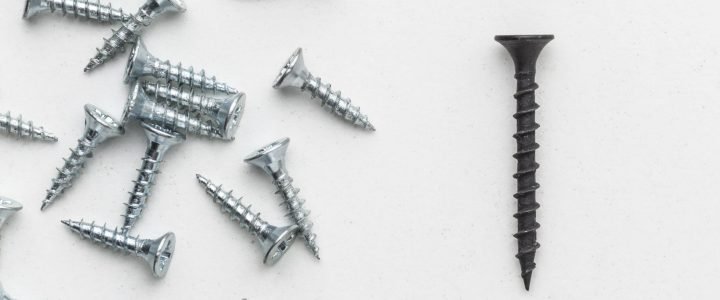 3. Factors to Consider in Material Choice
When selecting raw materials for screw manufacturing, several factors come into play. First, mechanical properties are crucial; tensile strength and ductility determine how well a screw performs under load. For example, a screw used in a high-stress application must have a high tensile strength to avoid failure. Environmental conditions also matter, especially if the screws will be exposed to chemicals, moisture, or extreme temperatures. Choosing a material that can withstand such conditions ensures longevity and reliability.
Budget is another important consideration. While it may be tempting to opt for cheaper materials, investing in higher-quality options can lead to lower long-term costs due to reduced maintenance and replacement needs. Furthermore, the specific manufacturing processes required for different materials can influence your choice; some materials may necessitate specialized processing techniques, which could affect production timelines and costs.
Weight is a critical factor in industries like aerospace, where minimizing weight without compromising strength is essential. A lightweight material like aluminum might be preferred in such cases. Aesthetic factors should not be overlooked either; for visible applications, the appearance of materials can play a significant role in product acceptance. Availability of materials can also impact production schedules, so sourcing from reliable suppliers is key. Additionally, you must consider regulatory compliance to ensure that materials meet industry standards, which can limit your choices. Lastly, sustainability is gaining importance, as opting for eco-friendly materials can enhance your brand’s reputation and appeal to environmentally conscious consumers. Testing and certification are vital to ensure that the selected materials meet safety and performance standards.
- Mechanical Properties: Factors like tensile strength and ductility can determine how a screw will perform under load.
- Environmental Conditions: Consider exposure to chemicals, moisture, and temperature fluctuations when selecting materials.
- Cost and Budget: Balancing quality with budget constraints is essential; sometimes investing more upfront can save costs long-term.
- Manufacturing Processes: Some materials may require specific processing methods, which can influence material choice.
- Weight Considerations: For industries like aerospace, minimizing weight without sacrificing strength is crucial.
- Aesthetic Factors: For visible applications, the appearance of materials can influence the final product’s acceptance.
- Availability: The ease of sourcing materials can affect production timelines and costs.
- Regulatory Compliance: Adhering to industry standards and regulations can limit material choices.
- Sustainability: Choosing eco-friendly materials can enhance brand reputation and meet consumer demand for green products.
- Testing and Certification: It is important to ensure that materials meet required testing standards for safety and performance.
4. Finding Reliable Raw Material Suppliers
Finding the right raw material suppliers is crucial for the success of screw manufacturing. Start by creating a list of potential suppliers, then reach out to industry peers for their opinions on each supplier’s reliability. Their insights can help you narrow down your options. Conducting audits of suppliers is another vital step, as it provides a deeper understanding of their capabilities and quality assurance processes.
Before committing to bulk purchases, request samples of the materials. This allows you to assess their quality firsthand. Additionally, consider lead times; knowing how quickly a supplier can deliver materials is important for maintaining project timelines. Comparing pricing structures among suppliers is essential as well. Look for the best deal, but do not compromise on quality to save costs.
Effective communication with suppliers is key. Make sure they are responsive and keep you updated on orders and any potential issues. A reliable supplier should also be flexible, ready to adapt to changes in order volumes or specifications. Building long-term relationships with suppliers can lead to better pricing and service over time.
Always verify that suppliers meet necessary quality certifications. This ensures the materials you receive are reliable and meet industry standards. Lastly, consider the geographical proximity of suppliers. Local suppliers can help reduce shipping costs and delivery times, improving your overall supply chain efficiency.
5. Ensuring Environmental Compliance
In the context of screw manufacturing in India, ensuring environmental compliance is crucial. Start by familiarizing yourself with local laws that govern material sourcing and manufacturing processes. It’s important to prioritize suppliers who adopt sustainable sourcing methods, as this can significantly reduce the environmental impact of your operations. Additionally, develop effective waste management strategies to handle production waste, including recycling and appropriate disposal methods. Look for materials that carry certifications verifying their environmentally friendly attributes, which can help in promoting your brand as responsible and compliant.
Conducting a lifecycle analysis of your materials can also reveal their environmental impact from production to disposal, allowing for informed decisions. Pay attention to the energy consumption involved in producing and transporting these materials; exploring ways to minimize this can benefit both the environment and your bottom line. Regular compliance audits are essential to ensure your processes align with environmental standards. Moreover, investing in employee training on environmental practices related to material use and disposal can foster a culture of sustainability within your organization. Engaging stakeholders and local communities in discussions about your environmental practices can build trust and support. Lastly, maintaining transparency in your sourcing practices and clearly documenting them will help communicate your commitment to environmental compliance to stakeholders.
6. Final Thoughts on Material Selection
Choosing the right raw materials for screw manufacturing is a multifaceted challenge that requires careful thought. Balancing factors like cost, performance, and compliance is crucial for achieving desired outcomes. Collaboration among engineering, procurement, and environmental teams can enhance the decision-making process, leading to better material choices. Keeping an eye on industry trends and engaging in continuous research can provide valuable insights into new materials and technologies that may give you a competitive edge. Quality assurance and testing are also essential, ensuring that the selected materials meet reliability standards. It’s important to consider the entire supply chain to make informed choices that align with project goals. Being open to innovative materials can yield unexpected benefits, and regularly updating material selection criteria can keep you ahead of the curve. Networking with industry professionals can offer practical insights and best practices that further refine your approach. Ultimately, a strategic outlook on sourcing materials can significantly boost efficiency and enhance product quality.
Frequently Asked Questions
What types of raw materials are best for making screws in India?
Common raw materials include steel, stainless steel, and alloys. Each material has unique properties that affect strength, durability, and resistance to corrosion.
How does the grade of material impact screw quality?
Higher-grade materials generally offer better strength and resistance to wear and stress, making them ideal for heavy-duty applications.
Why is it important to consider the source of raw materials?
The source can affect quality, consistency, and availability. It’s essential to choose trusted suppliers to ensure reliable production.
What role does manufacturing process play in raw material selection?
The manufacturing process can dictate which materials are suitable. Some processes may require specific material characteristics to function effectively.
Are there specific regulations to follow when choosing materials for screws in India?
Yes, certain regulations ensure safety and performance standards are met. It’s important to comply with local and international guidelines during selection.
TL;DR Choosing the right raw materials for screw manufacturing in India is critical for ensuring strength, durability, and reliability of fasteners across various applications. Key materials include steel, stainless steel, alloy steel, aluminum, copper, titanium, and silicon bronze, each with unique properties suited for specific environments. Important considerations are application requirements, material properties, cost-effectiveness, and sourcing from reliable suppliers. Compliance with environmental regulations is also essential. By following these guidelines, manufacturers can enhance product performance while maintaining high quality standards.