
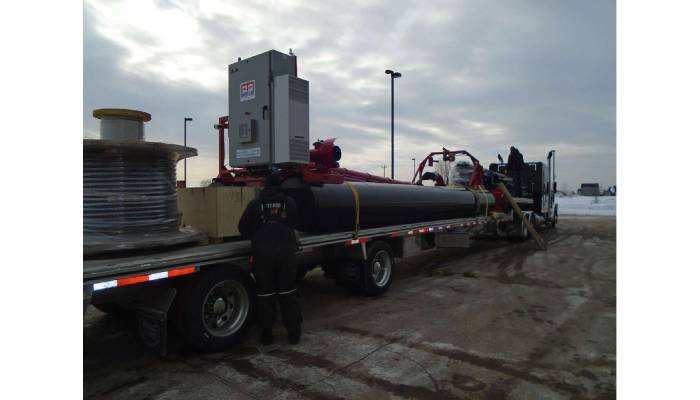
Choosing the right automated dredge for your project is key to success and efficiency. First, you need to understand your project requirements: Are you excavating, cleaning up, or removing sediment? Knowing the type and volume of material, be it sand or gravel, will help determine what equipment is most suitable. Next, assess site conditions like water depth and access points; deeper waters often require specialized dredges. Equally important are environmental considerations that could impact local wildlife. Consulting with experts can provide valuable insights into selecting the perfect dredging solution while keeping budget in mind. With careful selection and planning, your project can thrive!
1. Understanding Project Requirements
Defining your project scope and objectives is the first step in choosing the right automated dredge. This clarity ensures that your dredging needs are in sync with your overall goals. For instance, if your project is focused on environmental cleanup, the dredge you select should be capable of minimizing disruption to the surrounding ecosystem. Involve all stakeholders early in the process to gather comprehensive input; this will help you capture every requirement and avoid surprises later on. Additionally, identifying any regulatory requirements specific to your project location is crucial, as compliance can greatly influence your equipment choice.
Next, consider your project timeline. Knowing how long you have to complete the project will help you gauge equipment availability and operational capacity. Budget constraints also play a significant role; they can limit your options or affect the feasibility of certain dredging methodologies. For example, if you’re working with a tight budget, you may need to prioritize essential equipment features that align closely with your project goals.
It’s also important to identify potential challenges or risks associated with your project. This could include factors like water depth, sediment composition, or environmental sensitivities. Understanding these challenges can guide you toward selecting a dredge that can handle them effectively. Furthermore, check if your project requires any permits or environmental assessments, as these can add time and complexity to your planning.
Finally, consider the size and capacity of the dredge needed for your specific goals. A project aiming to remove a large volume of material in a short time will require a different dredge than a project focused on precision work in confined spaces. Establishing criteria for success will also help you evaluate your project’s performance after completion, ensuring that you meet all objectives.
- Define the project scope and objectives clearly to align dredging needs.
- Gather input from all stakeholders to ensure comprehensive requirements are captured.
- Identify any regulatory requirements specific to the project location.
- Assess the timeline for project completion to determine equipment availability.
- Consider the budget constraints that may affect equipment selection and project feasibility.
- Understand the anticipated challenges or risks associated with the project.
- Evaluate the potential need for permits or environmental assessments.
- Identify the size and capacity of the dredge needed based on project goals.
- Determine if the project has specific safety or operational standards to meet.
- Establish criteria for success that will guide project evaluation post-completion.
2. Assess Material Characteristics
Understanding the characteristics of the material you plan to dredge is essential to selecting the right automated dredge. Start with material sampling to identify the composition and type of sediment, whether it’s sand, silt, clay, or gravel. Each type poses unique challenges and requires different handling methods. For instance, clay is often more cohesive and can be difficult to dredge, while sand moves more freely and is easier to handle.
Next, analyze the moisture content of the material. High moisture levels can affect how the material behaves during dredging and may require equipment that can handle wetter conditions. Additionally, assessing the particle size distribution will guide your dredge choice; coarse materials like gravel necessitate robust equipment, while finer materials like silt can be managed with precision gear.
It’s also crucial to evaluate the presence of any contaminants that might require specialized handling. For example, dredging in areas with heavy metals or other pollutants demands equipment designed for safe containment and disposal.
Understanding the cohesive properties of the material will further help gauge the difficulty of the dredging process. Cohesive materials may require more power and specific dredging techniques to maintain efficiency. Additionally, identify if the material is prone to compaction, as this can hinder dredging efficiency and affect the overall project timeline.
Historical data on the site can provide insights into how the material has behaved under similar conditions before, helping you prepare for potential challenges. Consider the intended use of the dredged material as well; whether it will be used for construction, beach nourishment, or habitat restoration can influence your dredge choice.
Finally, analyze drainage characteristics of the material to inform processing needs after dredging. Poorly draining materials can complicate the dredging process and necessitate additional steps in handling the dredged material. By thoroughly assessing these material characteristics, you can make an informed decision that maximizes efficiency and minimizes challenges.
3. Evaluate Site Conditions
Evaluating site conditions is a critical step in selecting the right automated dredge for your project. Start by examining the geographical location, as it can greatly influence equipment transport. For instance, remote sites may require specialized vehicles to navigate rough terrain. Next, assess the underwater topography. A site with varying depths or uneven surfaces may require a dredge equipped for complex maneuvers, ensuring effective material removal.
Additionally, consider site accessibility. If the location is hard to reach, you may need portable equipment or smaller dredges that can be easily mobilized. Local weather patterns also play a crucial role; heavy rains or strong winds can disrupt operations, so being aware of seasonal weather trends will help in planning dredging activities.
Take into account existing infrastructure, such as nearby docks or roads, as they can facilitate or hinder your dredging efforts. Moreover, identify potential hazards like underwater obstructions or strong currents that could pose risks to both the equipment and personnel. It’s also important to evaluate the proximity of sensitive ecological areas to minimize environmental impact, ensuring compliance with regulations.
Lastly, examine local regulations that may affect operational access and timing. For example, some areas may have seasonal restrictions to protect wildlife, which could affect your project’s schedule. By thoroughly assessing these site conditions, you can confidently choose an automated dredge that fits your project’s unique needs.
4. Select the Appropriate Type of Dredge
When it comes to selecting the right type of dredge, understanding the various options available is key. Mechanical dredges, like bucket and backhoe dredges, are perfect for detailed material removal, especially in dense environments. Conversely, hydraulic dredges, such as cutter suction and hopper dredges, shine in handling loose or fine materials, making them ideal for larger projects where material needs to be transported over distances. If your project requires precision in shallow or confined areas, specialty dredges like auger dredges can be a game-changer.
The scale of your project also dictates the size of the dredge needed. A small-scale project may benefit from a portable dredge, while larger projects will require more robust equipment capable of handling greater volumes and depths. Efficiency is crucial; evaluate how different dredges perform based on your desired dredging volume and depth to avoid any setbacks.
In today’s technology-driven world, researching the latest advancements in dredging can lead you to innovative solutions that enhance performance and reduce operational costs. Additionally, you should weigh the costs associated with each type, factoring in both rental and purchase options based on your project’s duration.
Ease of operation is another essential consideration. Some dredges may require specialized training, while others are designed for straightforward use. Ensuring that your team can operate the dredge efficiently will save time and reduce errors. Finally, assess the availability of spare parts and support for the dredge type you choose; having reliable service can make a significant difference in minimizing downtime. For a well-rounded decision, reviewing case studies or past projects that utilized similar dredges can provide valuable insights into what works best for your specific needs.
5. Key Factors in Equipment Selection
When selecting the right automated dredge, several key factors come into play. Start by assessing the hydraulic performance of various dredges based on the type of material you’ll be dealing with and the required dredging depth. For instance, materials such as sand and silt might require different dredging technologies to optimize performance. Operational speed and efficiency are also critical, as they directly impact project timelines and costs. You’ll want to review how quickly each piece of equipment can operate while maintaining performance standards.
Don’t overlook the environmental impact and fuel consumption of your chosen dredge. Selecting equipment designed for lower fuel usage and reduced emissions can help meet regulatory requirements and minimize your project’s carbon footprint. Furthermore, ease of maintenance and repair is essential for long-term operations; equipment that is easier to maintain can save you time and money in the long run.
The reputation of the manufacturer and the level of customer service support they offer are also vital considerations. A reliable manufacturer can provide insights, troubleshooting, and parts support when you need it. Additionally, think about how adaptable the dredging equipment will be for future projects; flexibility can save you from needing to invest in new equipment down the line.
Safety features should not be ignored; ensure that the dredge complies with safety regulations to protect your team during operation. Operator comfort and ergonomics also matter; equipment that is easy to control and comfortable to operate can enhance productivity. Finally, evaluate the technology features available, such as automation and monitoring systems, which can significantly improve operational efficiency. Compatibility with other equipment you’ll be using on the project is another crucial factor to ensure seamless operations.
6. Consult with Experts
Consulting with experts is a crucial step in choosing the right automated dredge for your project. Start by identifying experienced dredging consultants or engineers who can provide valuable insights tailored to your specific needs. Schedule consultations to discuss your project details, including the type of material, site conditions, and regulatory requirements. These experts can recommend equipment based on their firsthand experience, helping you avoid costly mistakes. Moreover, they can offer guidance on compliance with local regulations and best practices in the industry. Utilize their knowledge to navigate site-specific challenges, such as managing sediment control or addressing environmental concerns. Don’t hesitate to ask about innovative techniques or technologies currently in use, as these could enhance your project’s efficiency. Additionally, experts can assist you in risk management strategies related to dredging activities, ensuring a safer and more effective operation. They may also have connections for equipment rentals or purchases, making the process smoother. Finally, gather insights on best practices for project execution and post-dredging analysis from seasoned professionals to ensure you are well-prepared for every stage of your project.
7. Testing and Future-Proofing
Testing your automated dredge is essential to ensure it meets the demands of your project. Start with small-scale trials to assess how well the dredge performs under actual site conditions. This hands-on approach allows you to evaluate its efficiency and adaptability, particularly in handling different materials as needed. For instance, if your project involves both silt and gravel, it’s vital to see how the dredge transitions between these materials during operations.
During these trials, test various dredging methods in different scenarios. This helps identify the most efficient approach for your specific project, whether that involves adjusting the dredging speed or changing the suction patterns. Collecting data from these tests is invaluable, as it will inform your final equipment selection.
As you assess the dredge, review its features that allow for upgrades or enhancements. Equipment designed with modular capabilities can save you time and money down the line as your project evolves. It’s also wise to consider how compatible the dredge is with potential future technologies. For example, dredges that can integrate with advanced monitoring systems can provide real-time data, helping to optimize operations.
Gather feedback from operators during testing to gain practical insights into the dredge’s usability and performance. Their firsthand experience can highlight strengths and weaknesses that may not be immediately apparent. Additionally, establish a framework for assessing equipment performance over time, focusing on the dredge’s sustainability practices. Choosing environmentally friendly dredging methods not only complies with regulations but also enhances your project’s reputation.
Finally, plan for regular updates and maintenance to keep your equipment relevant and efficient. Consistent upkeep ensures that your dredge remains a reliable asset, ready to tackle future challenges with confidence.
8. Maintenance and Longevity
To ensure your automated dredge operates at peak performance and lasts for years, a solid maintenance plan is essential. Start by developing a comprehensive maintenance schedule tailored to the specific dredge you choose. This includes routine inspections to check for wear and tear on critical components. Implement a tracking system for maintenance history and repair needs, allowing you to stay ahead of potential issues.
Training operators on proper maintenance procedures is vital. They should be familiar with routine checks and know how to report any irregularities. Regular performance assessments can help identify potential problems early, saving time and money in the long run. Establish a cleaning protocol to prevent sediment buildup and corrosion, especially after heavy use.
Using quality lubricants and parts can significantly enhance the lifespan of your dredge. A well-maintained dredge is less likely to face unexpected breakdowns. Creating a spare parts inventory minimizes downtime during repairs, ensuring your project stays on track. Don’t forget to review warranty options and service agreements from manufacturers; these can provide peace of mind and protect your investment.
Additionally, scheduling periodic professional inspections ensures compliance with industry standards and optimal performance. Maintaining clear communication with operators about equipment condition and care reinforces a culture of responsibility and vigilance in maintenance.
Frequently Asked Questions
What factors should I consider when picking an automated dredge?
Start by looking at the size of your project, the type of materials you’ll be dredging, and the depth of the water. It’s also important to consider the dredge’s efficiency and ease of use.
How do I know if the automated dredge is suitable for my specific project?
Check the dredge’s specifications like its capacity, the type of dredging it can perform, and whether it meets the environmental requirements for your area. Consulting with professionals can also help you make the right choice.
Can I use an automated dredge for different types of materials?
Many automated dredges can handle a variety of materials, including sand, gravel, and silt. However, make sure to choose a model that specifically states its compatibility with the materials you’ll be working with.
What are the main advantages of using an automated dredge over a manual one?
Automated dredges save time and labor since they can operate continuously without much human intervention. They often provide more precise dredging, which can help with project efficiency and reduce material loss.
Is there training available for operating an automated dredge?
Yes, many manufacturers offer training sessions to help operators learn how to use their equipment efficiently. It’s a good idea to take advantage of these trainings to ensure safe and effective operation.