
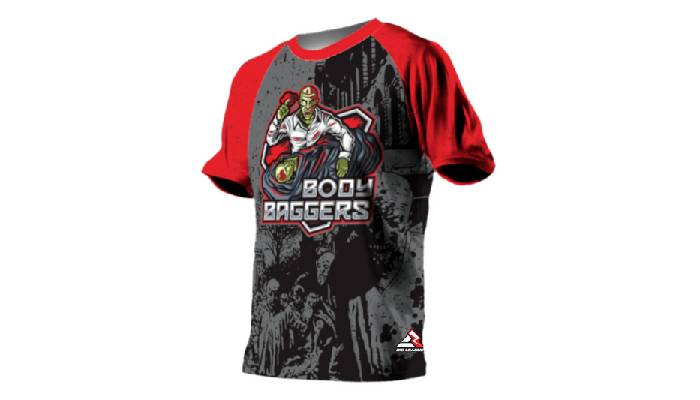
Choosing fabric for your custom cornhole jersey is more important than you might think, as it impacts both how you play and how you look. Consider polyester, which is popular due to its durability and ability to keep moisture away. Micromesh is a lighter option that promotes airflow, making it great for hot days. If you’re eyeing bright designs, sublimated fabrics are a good bet since they prevent fading over time. Make sure the jersey provides comfort through stretch and fit; blending polyester with spandex can help here. Lastly, don’t forget about sustainability by opting for recycled materials where possible, every little bit helps!
1. Fabric Types for Cornhole Jerseys
Choosing the right fabric for your custom cornhole jersey starts with understanding the various types available. Polyester is the most common choice; it’s durable and moisture-wicking, which helps keep players comfortable. For those hot days, micromesh fabric offers excellent breathability, allowing for good airflow. Consider sublimated fabrics too, as they’re great for vibrant designs that won’t fade after washing.
When it comes to comfort, look for performance blends that mix polyester with materials like cotton. This combination enhances breathability while providing a soft feel against the skin. Brushed polyester is another option for a cozy touch.
Moisture management is key, so fabrics that wick sweat away from the body will enhance performance during play. Additionally, some fabrics have antimicrobial properties, keeping jerseys fresher and odor-free for longer. If your games are often outdoors, choosing fabrics with UV protection is essential to shield players from harmful sun rays.
Colorfastness should also be on your radar; ensure the fabric retains its color through multiple washes. Weight classification matters too; lighter fabrics are perfect for summer matches, while heavier options work well in cooler weather. Breathable mesh panels can also be a smart addition, offering extra ventilation to keep players cool. Lastly, consider custom fabric options from manufacturers to tailor jerseys to your specific needs.

2. Comfort Features for Active Play
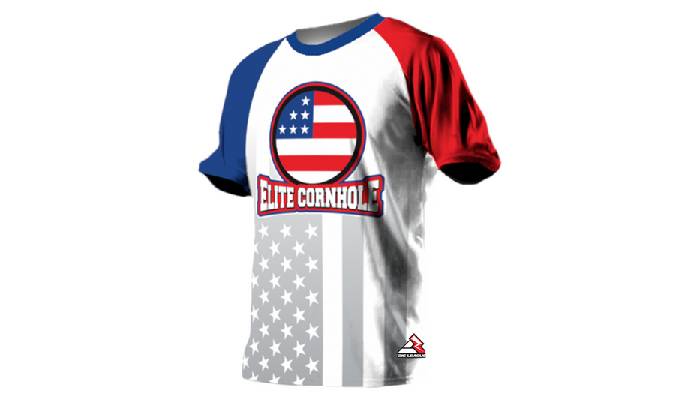
When selecting a custom cornhole jersey, comfort features play a vital role in enhancing your gameplay. Opt for jerseys with tagless labels to prevent irritation, allowing you to focus solely on the game. Flatlock seams are another excellent choice, as they minimize chafing during those long matches. Look for designs that incorporate body mapping technology, which targets areas needing extra ventilation, keeping you cool and comfortable. Fabrics should be lightweight and flexible, providing the freedom of movement essential for quick plays. Breathable construction is key; jerseys with breathable stitching patterns facilitate airflow, helping to regulate your body temperature. Advanced moisture management systems are also important, as they wick sweat away, ensuring you stay dry even during the most intense moments. A soft-hand feel in the fabric enhances comfort against your skin, making the jersey enjoyable to wear. Additionally, consider jerseys with adjustable features like drawstrings or elastic hems for a better fit, accommodating different body types. Ergonomically designed jerseys conform to your body’s natural movements, enhancing overall comfort during play. Lastly, strategically placed ventilation zones are crucial for regulating body heat, especially in warm weather, so you can focus on your performance.
- Tagless labels: Choose jerseys with tagless labels to avoid irritation during gameplay, enhancing overall comfort.
- Flatlock seams: These seams reduce irritation and chafing, which is important during long matches.
- Body mapping: Some designs feature body mapping technology that focuses on areas needing more ventilation, improving comfort.
- Lightweight and flexible: Fabrics that are lightweight and flexible help players move freely without restriction.
- Breathable construction: Look for jerseys designed with breathable stitching patterns that facilitate airflow.
- Moisture management systems: Fabrics with advanced moisture management systems keep players feeling dry and comfortable during intense play.
- Soft-hand feel: A soft-hand feel in the fabric can enhance comfort against the skin, making the jersey more enjoyable to wear.
- Adjustable features: Jerseys with adjustable features, such as drawstrings or elastic hems, can provide a better fit for different body types.
- Ergonomic design: Ergonomically designed jerseys conform to the natural movements of the body, providing added comfort during play.
- Ventilation zones: Strategically placed ventilation zones can help regulate body temperature and improve comfort during warm weather.
3. Durability and Care Tips
When selecting a fabric for your custom cornhole jersey, durability is key. Opt for materials known for their strength, such as polyester, which can handle the wear and tear of competitive play. Additionally, pay attention to the stitching quality; jerseys with reinforced seams are less likely to split, prolonging their lifespan.
To maintain your jersey’s functionality, avoid fabric softeners during washing, as they can diminish moisture-wicking properties. Instead, wash your jerseys in cold water, turning them inside out to protect any prints or logos from fading. It’s also wise to skip dry cleaning, which can harm certain fabrics.
Regular inspections are essential, look for signs of fraying or fading and address these issues promptly. Store your jerseys in a cool, dry area away from direct sunlight to prevent color loss. If you encounter minor tears, fabric patches can be a quick and effective solution. Lastly, when drying, steer clear of high heat settings to protect the fabric’s fibers.
4. Eco-Friendly Fabric Options
Choosing eco-friendly fabric options for your custom cornhole jersey can make a positive impact on the environment. Recycled polyester is a great choice, as it helps reduce waste while still providing the durability and performance needed for sports. You might also want to consider organic cotton, which is grown without harmful pesticides and chemicals, making it a safer option for both the planet and your skin. Some brands offer jerseys made from biodegradable materials that break down naturally after disposal, which can further reduce your environmental footprint.
When it comes to printing, look for companies that use water-based inks, as they are less harmful to the environment compared to solvent-based inks. Additionally, seek out manufacturers that emphasize sustainable sourcing and ethical labor practices in their production processes. Fabrics dyed with low-impact dyes are another excellent option, as they help reduce water pollution.
Supporting eco-conscious brands that prioritize sustainable practices is essential. These brands often use minimal and recyclable packaging, further contributing to waste reduction. You should also consider companies that actively work to offset their carbon footprint through various initiatives, showcasing their commitment to environmental sustainability. Lastly, transparency in the supply chain is important; select brands that provide clear information about where and how their materials are sourced. This way, you can feel good about your custom cornhole jersey not just for its look and feel, but also for its environmental impact.
5. Choosing Colors for Your Jersey
When selecting colors for your custom cornhole jersey, it’s important to reflect your team’s identity. Colors can significantly enhance team spirit, fostering unity during play. Consider using bold color combinations that create a visual contrast, making players easily identifiable on the field. Seasonal color trends can keep your jerseys fresh and appealing throughout the year, so think about what colors are currently popular.
Understanding color psychology is also essential. Different colors can evoke specific emotions and attitudes, which may impact team performance. For example, blue often conveys trust and calmness, while red can signify energy and aggression. Including team members in the color selection process fosters a sense of ownership over the jerseys, making everyone feel connected to the design.
Ensure that the colors chosen are fade-resistant, as you want your jerseys to look vibrant even after multiple washes. Incorporating patterns that complement your chosen colors can add visual interest to the design, making it even more unique. It’s wise to request fabric swatches before you finalize colors to ensure they meet your expectations for shade and vibrancy. Lastly, when selecting colors, ensure they contrast well with logos and graphics for maximum visibility. Creating mock-ups of potential designs can help gauge reactions from team members, ensuring everyone is happy with the final choices.
6. Incorporating Logos and Graphics
When it comes to adding logos and graphics to your custom cornhole jersey, thoughtful placement is key. Choose strategic spots where your logos can shine without overshadowing the overall design. The size of the logos also matters; oversized logos might clutter the look and detract from the jersey’s appeal. Always opt for high-resolution graphics to ensure clarity, as this will maintain the sharpness of the design even after multiple washes.
Color matching is essential; your logo colors should either match or complement the jersey colors for a cohesive appearance. For durability, consider sublimation printing, which integrates graphics directly into the fabric, preventing issues like peeling or cracking over time. Alternatively, embroidered logos can add a premium touch, but keep in mind they might increase your overall costs.
Contrast plays a significant role in visibility, especially during competitions. Ensure your logos stand out against the jersey fabric, making them easily recognizable. Consistency in branding is also crucial, so choose logos and graphics that align with your team’s identity. Involving team members in the logo design process can foster a sense of ownership and representation, which is valuable for team spirit. Finally, provide clear artwork files to your manufacturers to avoid any miscommunication during the printing process.
7. Typography for Readability
When designing your custom cornhole jersey, typography plays a vital role in ensuring player names and numbers are easily read from a distance. Start by selecting bold and straightforward fonts that stand out during games. The font size should be large enough to allow for quick identification, especially in the heat of competition. It’s also essential to choose font colors that contrast well with the jersey background, improving visibility. If your team has a unique personality, consider incorporating custom fonts, but remember that readability should always come first.
Pay attention to spacing as well; proper letter spacing and line height can prevent crowding and enhance overall readability. Before finalizing your design, create mock-ups to test how the typography will look on the final product. Consistency is key, so maintain the same typography choices across all jerseys to achieve a unified team appearance.
Avoid overly decorative fonts that may hinder legibility, particularly during fast-paced matches. Involving players in the typography selection can ensure their names and numbers are represented accurately and reflect their preferences. Finally, always request digital proofs from manufacturers to see how the typography appears on the jersey, allowing for any necessary adjustments before production.
8. Sizing and Fitting Considerations
When selecting jerseys, sizing and fit are vital for comfort and performance. Always refer to the manufacturer’s size chart, as sizes can vary between brands. Different fit types, such as loose, fitted, or relaxed, cater to varied preferences, so it’s worth considering what players feel most comfortable in. If your team has unique body shapes, look for manufacturers offering custom sizing options to ensure everyone gets a better fit.
If possible, ordering trial jerseys can help team members assess fit and comfort before making a bulk order. Pay attention to jersey length too; some players prefer longer lengths for better coverage during play. Jerseys with adjustable features, like drawstrings or side slits, can accommodate various body types, enhancing overall comfort.
Gathering feedback from players regarding sizing preferences is essential, ensuring that every team member feels good in their jersey. If jerseys will be worn over other clothing, factor in additional sizing to allow for layering. For youth teams, consider sizing up to account for growth over the season. Finally, always check the return policy before purchasing, just in case adjustments or exchanges are necessary for fit.
9. Budgeting Your Custom Jerseys
Setting a clear budget is crucial when planning for custom jerseys. Start by determining a budget range before you dive into options; this will keep your decisions focused. Research costs by comparing prices from different manufacturers to secure the best deals without compromising on quality. Don’t forget to account for extra customization costs, such as logos and unique graphics, as these can add up quickly. If you’re looking to save, seek out manufacturers that offer bulk order discounts, which can significantly lower your per-unit costs.
Be mindful of hidden fees that might arise, like shipping or setup costs, as these can impact your total budget. It’s important to weigh the importance of quality against cost, ensuring that you invest in durable jerseys that will last. Also, plan for extras like matching shorts or accessories that can enhance the overall look. If you’re concerned about upfront costs for large orders, explore payment plans or financing options.
Consider organizing fundraising events to help offset the costs for custom jerseys, as this can ease the financial burden. Lastly, review your budget regularly and adjust as needed throughout the design and purchasing process to keep everything on track.
Frequently Asked Questions
What types of fabric are best for cornhole jerseys?
The best fabrics for cornhole jerseys are breathable, lightweight materials like polyester, moisture-wicking blends, and cotton-polyester mixes, as they keep you cool and comfortable while playing.
How does the weight of the fabric affect my jersey choice?
The weight of the fabric can impact how well the jersey performs. Lighter fabrics are great for hot weather, while heavier ones provide more durability but may feel warmer.
Should I consider stretchability in the fabric I choose?
Yes, stretchability is important for a custom cornhole jersey, as it allows for ease of movement and comfort during play, so look for fabrics with some elasticity.
How do I determine the right fit for my custom jersey fabric?
To find the right fit for your custom jersey, consider how you want it to feel when you wear it. Think about opting for a size that allows for a loose fit or fitted style based on your comfort preference.
What care instructions should I follow for my cornhole jersey fabric?
Care instructions vary by fabric type, but generally, it’s best to wash your jersey in cold water and hang it to dry to maintain its shape and color.
TL;DR Choosing the right fabric for your custom cornhole jersey involves considering several factors: types of fabrics such as polyester and micromesh that offer durability and breathability, comfort features like moisture-wicking capabilities and stretch, and durability through proper care. Additionally, eco-friendly options made from recycled materials are available, and selecting bold colors along with high-quality logos and readable typography can enhance your team’s appearance. Remember to account for sizing and budget when making your choices. Prioritizing these elements will ensure your team looks great and performs well.