
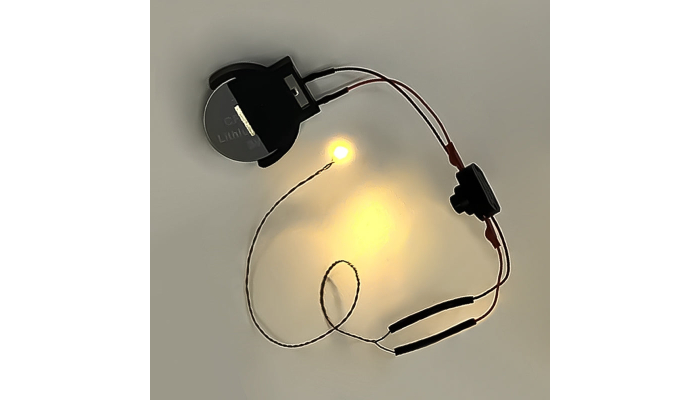
Choosing the right LED art light can greatly enhance your space and the artwork displayed. Start by exploring different types: battery-operated options offer ease of installation and suitability for renters, while plug-in variants provide a steadier power source. For a seamless look, hardwired lights are permanent but require professional installation. As for sizing, your light should be about one-third to two-thirds the width of your art piece. Select low-wattage bulbs with a warm glow (around 2700K) to protect art from UV damage while ensuring accurate color representation. Proper placement is key; install the light 6 to 7 inches above artwork at a tilt to avoid glare!
1. Types of Picture Lights
When it comes to LED art light illuminating your artwork, understanding the different types of picture lights is crucial. First up, we have battery-operated picture lights. These are a fantastic choice for renters or anyone looking for a hassle-free installation. They are often rechargeable, come with a remote, and can easily be repositioned. Perfect for small art pieces or temporary displays, they provide versatility in style and can even be used outdoors. With adjustable brightness settings, they can create just the right ambiance for any occasion.
Next, we have plug-in picture lights. While they do require an outlet, they are still easier to set up than hardwired options. These lights offer a stable power source and often come with dimmable features, allowing you to control the intensity of the light. Available in various designs and lengths, they can enhance the aesthetics of your space, especially with clever cord management. Plug-in lights are generally more powerful than battery-operated ones, making them ideal for larger artworks or permanent displays, and they are often more affordable than hardwired alternatives.
Finally, let’s talk about hardwired picture lights. These lights provide a seamless, built-in look that is both sleek and professional. However, they do require installation by an electrician and may involve higher upfront costs. If you’re a serious art collector, hardwired options deliver the highest quality lighting and can be customized to fit your artwork perfectly. They can even be integrated with home automation systems, making them a sophisticated choice for dedicated art spaces or gallery walls. Ultimately, your choice of picture light will depend on your specific needs, whether you seek flexibility, power, or a polished finish.
2. Sizing the Light for Your Artwork
Getting the size right for your LED art light is crucial for showcasing your artwork beautifully. As a general rule, the light should be about 1/3 to 2/3 the width of the artwork it illuminates. For smaller pieces, typically under 30 inches, a light around 15 to 20 inches works best. On the other hand, larger artworks or gallery walls may require lights that are 18 to 24 inches or even larger for proper coverage. To help you visualize the placement before installation, use painter’s tape to mark where the light will go. Don’t forget to consider the height of your ceiling and how far viewers will be from the artwork, as these factors can affect how the light is perceived. Make sure the light provides an even spread across the entire piece, avoiding any hot spots or dark corners. You may need to adjust the sizing based on the frame or matting of your artwork, so take that into account as well. Choosing adjustable fixtures can give you the flexibility to modify the angle and direction of the light, enhancing its effectiveness. Always check the manufacturer’s guidelines for specific size recommendations to ensure the best fit for your art.
3. Choosing the Right Bulb for LED Lights
When selecting the right bulb for your LED art lights, it’s essential to consider several factors for optimal results. Start by choosing low-wattage LED bulbs. This prevents UV damage to your artwork while still providing ample illumination. Aim for a color temperature around 2700K, which gives off a warm glow that beautifully enhances the colors of your art, making them pop in any setting. Don’t overlook the Color Rendering Index (CRI); look for bulbs with a CRI of at least 90. This ensures that colors are represented accurately, allowing your artwork to shine in its true form.
Light output, measured in lumens, is another critical aspect. You want enough light to set the right mood without overwhelming the space. If you like flexibility, consider dimmable bulbs that let you adjust brightness to suit different occasions. Energy efficiency is also key; choosing energy-efficient bulbs will help you save on electricity bills while being environmentally friendly. Plus, look for bulbs with a long lifespan to reduce how often you’ll need to replace them.
For those who enjoy tech, smart bulbs can offer added control and features, like scheduling and color-changing options. Lastly, pay attention to the beam angle of the bulb, this will determine whether the light is focused or diffused. A more focused beam is great for highlighting specific pieces, while a wider angle can illuminate larger areas. To maintain a cohesive look, ensure consistency in bulb type across multiple fixtures, creating a harmonious lighting design throughout your space.
- Opt for low-wattage LED bulbs to prevent UV damage to artwork
- Aim for a color temperature of around 2700K for a warm glow that enhances the colors of the art
- Check for a Color Rendering Index (CRI) of at least 90 for true-to-life color representation
- Ensure the light output (lumens) is sufficient for the intended ambiance without being overly harsh
- Consider dimmable bulbs for adjustable brightness
- Look for energy-efficient options to save on electricity bills
- Choose bulbs that have a long lifespan to reduce replacement frequency
- Consider smart bulbs for added control and features
- Investigate the beam angle for focused or diffused light
- Maintain consistency in bulb type across multiple fixtures for uniformity
4. Placement and Installation Tips
When it comes to showcasing your artwork, placement and installation of your LED art light can make all the difference. For optimal illumination, install the light about 6 to 7 inches above the artwork. This height ensures that the light spreads evenly across the piece, enhancing its beauty. Additionally, tilting the fixture at a 30 to 35-degree angle helps to minimize glare and shadows, allowing viewers to appreciate the details without distraction.
If you’re opting for battery-operated or plug-in lights, you’ll find installation quite straightforward. However, if you choose hardwired options, be prepared to call in a professional, as this type requires more extensive electrical work. Always use the mounting brackets that come with your light for a secure installation, and ensure that any wiring is hidden to maintain a neat appearance.
Before finalizing your setup, take the time to test the positioning. Use a level to make sure the light is straight; alignment is key to a polished look. Consider the various viewing angles from different spots in the room, this will guide you in adjusting the placement based on the artwork’s size and the room’s layout. Lastly, make sure switches or controls are easily accessible, so you can effortlessly adjust the ambiance whenever you wish.
Frequently Asked Questions
What features should I look for in an LED art light?
When choosing an LED art light, look for features like adjustable brightness, color temperature options, and flexibility in mounting. This will ensure you can highlight your art the way you want.
How do I decide the best size of LED art light for my artwork?
To pick the right size, consider the size of your artwork and the space it’s in. A larger piece may need a wider light spread, while a smaller piece could work with a more focused beam.
Can LED art lights be used with different types of artwork?
Absolutely! LED art lights are versatile and can enhance paintings, photographs, or sculptures. Just make sure the light is adjustable to best showcase different textures and colors.
What’s the best way to install an LED art light?
For installation, usually follow the manufacturer’s instructions. It’s important to mount it at the right angle and distance from the artwork to avoid glare and ensure even illumination.
Do LED art lights consume a lot of energy?
No, LED art lights are energy-efficient. They use much less electricity compared to traditional bulbs, making them a great choice for both your art and your energy bill.