
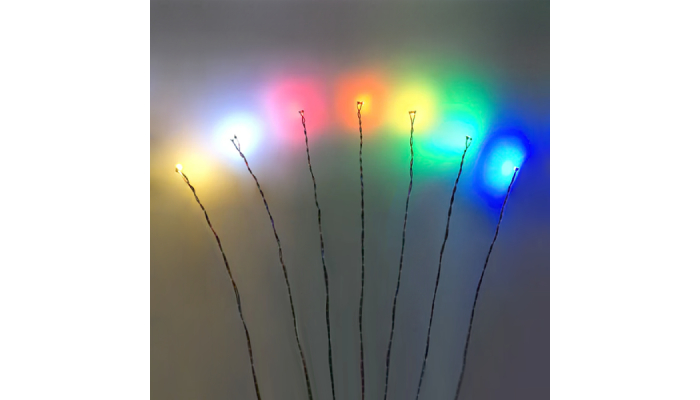
Choosing mini LED lights can be a fun yet overwhelming task, given the variety available. Start by understanding the basics of LEDs, they are energy-efficient and can last up to 13 years! Next, consider the different types available: bulb-style for spotlights or chip-style for discreet lighting in intricate designs. Key factors include brightness (measured in lumens), which affects how well you light a space and color temperature that determines warmth. Moreover, installation varies, stick-on adhesive backs or clips can make setup easy while ensuring durability. Keep energy efficiency in mind as well; LEDs not only cut down on costs but also benefit the environment!
1. Understanding LED Basics
LEDs, or Light Emitting Diodes, are fascinating solid-state devices that illuminate without the need for fragile filaments. This means they are incredibly durable and can last for an impressive 13 years with regular use, minimizing the hassle of frequent bulb replacements. Unlike traditional incandescent bulbs, LEDs emit significantly less heat, making them safer to touch and helping to lower your cooling costs. They come in a stunning array of colors and can be adjusted to fit various applications, from the cozy warmth of soft whites to the bright clarity of cool whites. Their energy efficiency is simply remarkable; by using LEDs, you can slash energy consumption by up to 75% compared to incandescent bulbs, which is great news for both your wallet and the environment. Plus, many mini LED lights are designed to be dimmable without flickering, giving you the flexibility to create the perfect atmosphere in any space. What’s even better is that LEDs are eco-friendly, as they don’t contain harmful materials like mercury, often found in other types of bulbs. Some models even come with built-in drivers, simplifying installation by eliminating the need for external components. From residential and commercial lighting to automotive uses, LEDs shine brightly in all sorts of applications. As technology advances, they are increasingly integrated into smart lighting systems, allowing you to control your lighting with ease through home automation. Understanding important specifications, like the Color Rendering Index (CRI), can also help you achieve the desired ambiance and visual effects, making your lighting not just functional, but also beautifully tailored to your needs.
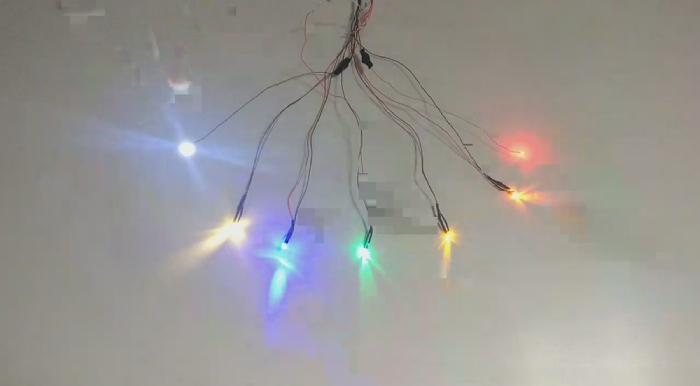
2. Types of Mini LED Lights
Mini LED lights come in a variety of shapes and styles, making them incredibly versatile for any lighting project. First, there are bulb-style LEDs that resemble traditional bulbs, providing a focused spotlight effect, perfect for accent lighting or model headlights. Then you have flexible LED strips, which can bend around curves and angles. These are fantastic for creative installations in displays or home decor. RGB mini LEDs are another exciting option, as they can change colors to create dynamic lighting effects, ideal for entertainment spaces or parties.
Surface-mounted LEDs provide a sleek, modern look and are often used in recessed lighting to enhance contemporary interiors. If you’re looking to highlight artwork or architectural features, miniature spotlights offer focused illumination that really makes a statement. For portable solutions, some mini LEDs are designed for battery operation, allowing you to place them anywhere without worrying about outlets.
Low-profile mini LEDs are perfect for tight spaces, offering illumination without being obtrusive, while color-changing mini LEDs are popular for creating mood and atmosphere. These lights can even be used in automotive applications, adding a modern touch to interior lighting or accent lights. Remember, the right type of mini LED depends on your specific application, desired brightness, and personal style.
3. Factors to Consider When Choosing Mini LED Lights
When selecting mini LED lights, understanding your intended use is crucial. Brightness and color temperature are key, as they can greatly affect the atmosphere of a space. For instance, warmer tones (around 2700K-3000K) create a cozy ambiance, perfect for living rooms, while cooler tones (5000K-6500K) are ideal for workspaces where focus is essential.
The beam angle also plays a significant role in how light is distributed. Wider angles provide general illumination, making them suitable for larger areas, while narrower angles are perfect for task lighting, such as reading or cooking. Additionally, ensure that the mini LEDs are compatible with your existing fixtures and power supplies to avoid installation headaches.
Dimming capabilities should not be overlooked, as not all LED lights work with dimmer switches. Having the option to adjust brightness can enhance usability, particularly in settings where mood lighting is desired. Heat dissipation is another factor to consider; proper spacing and ventilation in your installations can extend the life of your LEDs.
Quality and brand reputation are vital as well, as they can prevent performance issues down the line. Look into the IP rating, especially for outdoor or bathroom applications, as this indicates how resistant the lights are to dust and moisture.
Lastly, don’t forget to check warranties or guarantees provided by manufacturers, as these can add to your confidence in the product. Researching user reviews can also provide valuable insights into the real-world performance of specific mini LED lights, helping you make an informed decision.
4. Installation and Maintenance Tips
Installing mini LED lights can be a breeze if you follow some easy guidelines. Start by checking the manufacturer’s instructions to ensure you’re setting everything up safely and correctly. Choosing the right adhesive or mounting hardware is crucial, as a secure fit can greatly impact the longevity and performance of your LED strips. Before you dive into installation, take the time to plan the layout of your lighting. This will help you avoid wasting materials and ensure that your lights shine exactly where you want them to.
When it comes to cutting LED strips, remember to cut only at the designated points; this keeps the circuit intact and ensures your lights continue to function properly. If you need to make modifications or upgrades later, using connectors and extension cables designed for LED strips makes it easy to adjust without hassle.
Routine maintenance is key to keeping your mini LEDs in top shape. Regularly inspect connections and power supplies for any signs of wear or damage, replacing parts as necessary to maintain optimal functionality. To protect your lights from power surges, consider using a voltage regulator. It’s a simple addition that can save you from future headaches.
Cleaning your LED fixtures and strips is just as important. A gentle dusting with a soft cloth will help maintain their brightness and efficiency. Be cautious not to use harsh chemicals or abrasive materials, as these can scratch and damage the surface. Finally, if you have extra LED lights, store them in a cool, dry place to keep them in good condition until you’re ready to use them.
5. Energy Efficiency of LEDs
Mini LED lights are revolutionizing the way we think about energy consumption. These lights use about 75% less energy than traditional incandescent bulbs, leading to significant reductions in electricity bills over time. One of the key advantages of LEDs is their lower heat output; unlike incandescent bulbs that waste energy through heat, LEDs convert more energy into light, enhancing overall efficiency and savings.
Moreover, mini LEDs can provide the same or even greater light output while operating on lower wattages, making them an excellent choice for various applications. For instance, a 10-watt LED can deliver the same brightness as a 60-watt incandescent bulb. This not only means lower energy costs but also contributes to a reduced carbon footprint, which is great for the environment.
Many utility companies are also on board, offering rebates and incentives for switching to energy-efficient LED lighting. This further enhances the cost savings and makes the initial investment more appealing. In commercial settings, LEDs can be programmed to operate only when needed, maximizing energy savings. For added efficiency, smart LEDs can be set to turn off automatically when rooms are unoccupied.
Installing LEDs in high-usage areas, such as kitchens and living rooms, can yield substantial savings over time. While energy-efficient LEDs may have a higher upfront cost, the long-term savings and benefits make them a worthwhile investment. Additionally, tracking energy consumption through smart apps helps users understand their usage patterns, making it easier to optimize their lighting choices.
6. Smart Features in Modern LED Lights
Modern mini LED lights are more than just sources of illumination; they come packed with smart features that elevate your lighting experience. Many of these lights can seamlessly integrate with smart home systems, giving you the ability to control them remotely through your smartphone or tablet. Imagine dimming the lights or changing their colors without moving from your couch, pure convenience!
Voice control compatibility with platforms like Amazon Alexa or Google Assistant enhances usability even further, allowing you to command your lights with simple voice prompts. Want to set a romantic mood? Just say the word, and watch your lights shift to a warm, inviting hue.
Additionally, smart LEDs often come with scheduling features, which let you set specific times for your lights to turn on or off automatically. This not only adds convenience but also promotes energy efficiency. Grouping multiple smart LEDs for simultaneous control makes it simple to manage lighting across different rooms without the hassle of individual adjustments.
Some advanced systems even adapt their brightness based on the ambient light levels, ensuring you always have optimal illumination. Plus, with integration options for motion sensors, you can enjoy automatic lighting that enhances both security and accessibility.
Don’t forget about the fun aspects! Color-changing capabilities allow you to customize lighting moods to match special occasions, whether you’re hosting a party or settling in for a cozy movie night. Many smart LED systems also provide feedback on energy usage, helping you monitor and manage your consumption effectively. With firmware updates, these lights can continuously improve their functionality, making your investment worthwhile.