
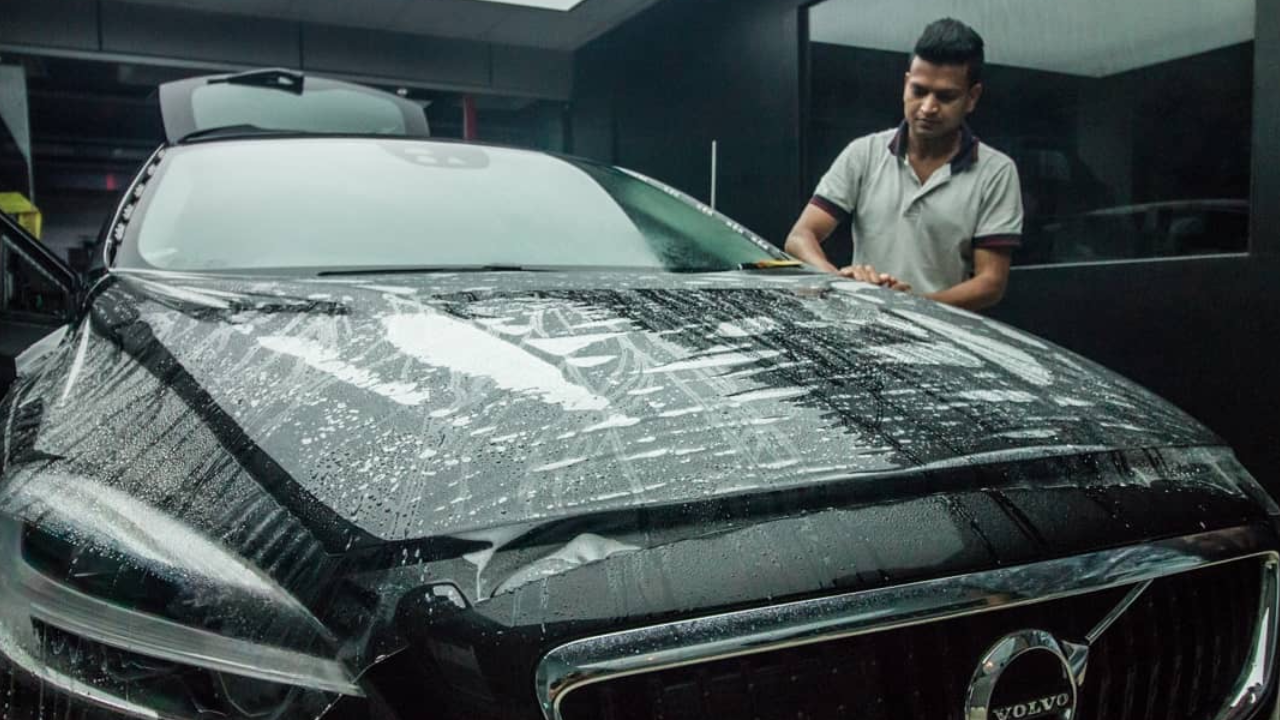
Paint protection choices can feel crowded, especially for owners trying to balance cost, durability, and finish. This article compares paint protection film with ceramic coatings and traditional wax, explaining what each method shields against and how long it typically lasts.
It also covers when combining PPF and ceramic coating makes sense for added defense. From there, the guide breaks down how to judge film quality, what certified installation really changes, and why warranties matter.
Finally, it outlines simple care habits and warning signs that signal repair or replacement. The goal is to help you pick protection that matches how and where you drive.
PPF vs. Other Paint Protection Options
Car owners today face countless paint protection choices. Making the right decision feels like putting together a complex puzzle. Each option has its own benefits, and learning about how they stack up helps you choose what works best for your car.
PPF vs. ceramic coatings
The main difference comes down to what they protect against. PPF provides physical protection – it acts as a thick barrier that absorbs impacts from rocks, debris, and minor scrapes. Ceramic coating shines at chemical protection by fighting UV rays, oxidation, and environmental contaminants.
PPF works like a helmet, while ceramic coating acts like sunscreen. One block prevents physical damage while the other prevents environmental wear. The ceramic coating creates a slick, water-repelling surface that makes dirt slide right off, so cleaning becomes easier. In spite of that, it can’t stop rock chips or scratches that PPF handles with ease.
These options last differently, too. Quality PPF stays effective up to 10 years, and some brands even offer lifetime warranties. Ceramic coatings need reapplication every 2-5 years.
PPF vs. traditional wax
PPF and traditional waxing show clear differences. PPF protection lasts 5-7 years with minimal upkeep, but wax needs frequent reapplication every few weeks or months.
Protection levels vary significantly. Cars with PPF experience 90% fewer paint chips compared to those using standard methods like wax. Traditional waxes just coat the paint surface. They give basic protection against UV rays and contaminants but offer almost no defense against physical damage.
Self-healing technology sets PPF apart. Heat exposure allows PPF to fix minor scratches, while wax simply wears off gradually. This self-repair feature keeps cars looking new without constant maintenance.
Can PPF and ceramic coating be combined?
They sure can! Most professionals suggest using both for the best results. The application starts with PPF, followed by ceramic coating on top.
This creates a powerful shield that offers:
- Boosted physical protection plus chemical resistance
- Better water-repelling properties for quick cleaning
- Longer life since the ceramic coating shields the PPF from wear
- Better looks with deeper gloss
The ceramic layer adds extra defense against environmental damage while making the PPF work even better.
Car owners who want the ultimate protection should consider this dual-layer approach. It offers the best way to maintain your vehicle’s looks and value through the years.
Choosing the Right PPF and Installer
Picking the right PPF can seem daunting at first. Many vehicle owners don’t know the huge quality differences between products and installers. Let me help you navigate through this.
What to look for in a quality PPF product
Premium films from brands like XPEL, 3M, SunTek, and STEK are nowhere near budget options when it comes to durability, hydrophobic properties, and self-healing technology. The best PPF car paint protection products won’t yellow, keep their crystal-clear look, and come with solid warranties.
Quality films should maintain your car’s original appearance with high optical clarity. Premium options resist yellowing and have advanced self-healing capabilities. You’ll notice the difference between budget and premium films after just one year.
Importance of certified professional installation
My experience shows countless DIY disasters. DIY installation attempts usually result in bubbles, misaligned sections, and peeling edges that destroy both protection and looks.
Professional installers use specialized tools, pre-cut templates, and heat application methods you can’t match at home. Their expertise with complex curves and edges creates seamless coverage that DIY methods can’t deliver.
Certified installers go through tough training and master advanced application techniques. Their expertise prevents visible seams, trapped dust, and uneven edges that hurt both protection and aesthetics.
Warranty and service considerations
Quality PPF installations come with detailed warranties lasting 5-10 years, and some premium films last even longer.
These warranties cover:
- Protection against yellowing, cracking, and peeling
- Material and workmanship guarantees
- New owner transfer options
Most manufacturers want professional installation by an accredited installer to activate warranty coverage. DIY kits exist, but they void warranties on premium films. This professional requirement exists with good reason, too; customer surveys show 85% satisfaction with professional installations compared to just 60% for DIY attempts.
The experts at ID Protection can help you learn about the best PPF car paint protection film for your vehicle.
Maintaining Your PPF for Long-Term Results
Your PPF car paint protection works like a shield that needs regular care to maintain its protective strength. Good maintenance will extend your film’s life and keep it looking great.
Best practices for washing and care
The film needs 7 days after installation to settle before you wash your vehicle. This waiting period lets the adhesive create a strong bond.
A pH-neutral car shampoo and soft microfiber wash mitts work best for regular cleaning. You should use the two-bucket method to avoid scratches from cross-contamination. Pat dry with clean microfiber towels instead of rubbing them across the surface.
Clean your vehicle every 2-3 weeks or after driving about 600 miles. Bird droppings, tree sap, and bugs can leave permanent stains on PPF, so remove them right away.
Products to avoid with PPF
These products can harm your PPF car paint protection film:
- Abrasive cleaners or scrubbing tools
- Carnauba wax that leaves a white residue
- Polishers and buffers that create damaging heat
- Petroleum-based products, including tar removers
- Solvents like acetone or isopropyl alcohol
- Pressure washers aimed directly at PPF edges
When to replace or repair PPF
Watch for these signs that indicate replacement needs:
- Yellowing or discoloration shows up clearly on light-colored vehicles
- Edges that lift or peel let moisture seep in
- Bubbling or cracking cuts protection by half
- Deep scratches that go beyond self-healing abilities
Your PPF car paint protection film needs yearly professional inspections at ID Protection. Early detection of minor damage often means repairs instead of costly replacements.
Final Goal:
PPF stands out for physical protection, while ceramic coatings and wax mainly guard against sun and surface fallout. Understanding that a split helps you choose the right mix for your car.
Full or partial PPF depends on driving conditions and how much of the body is at impact risk. Film quality and installer skill shape clarity, edge finish, and long-term performance, so certification and warranty terms deserve close attention. Good upkeep, gentle washing, and avoiding harsh chemicals keep the film clear and effective.
If you spot lifting edges, yellowing, or cracking, address it early. Shops like ID Protection are useful for inspections and repairs when professional backing is needed.