
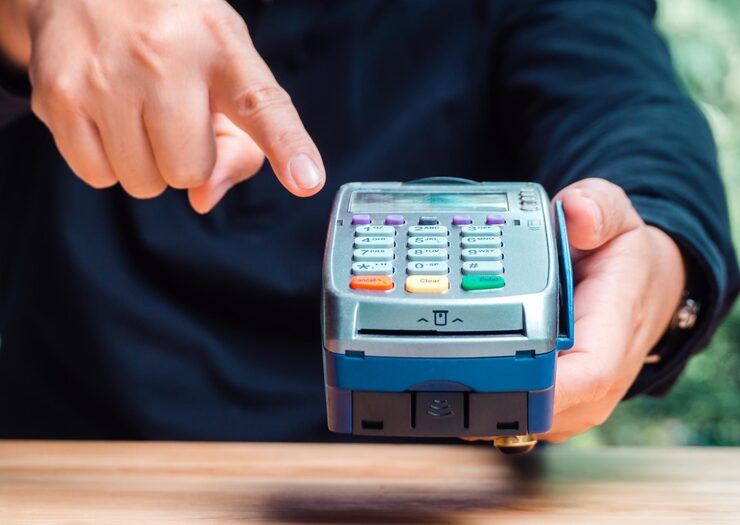
In today’s fast-paced retail and service environments, accepting card payments is no longer optional—it’s a necessity. Businesses of all sizes, from small cafes to large retail chains, rely on card machines to process payments efficiently and securely. With a myriad of options available in the market, choosing the right machine can be overwhelming. This guide will help you compare card machines effectively, highlighting the factors that matter most to your business.
Why Comparing Card Machines Matters?
Card machines are more than just payment terminals—they impact your business operations, customer experience, and even your bottom line. A poor choice can result in high fees, slow transactions, or frequent technical issues. Conversely, selecting the right machine can streamline your payment processes, reduce costs, and boost customer satisfaction.
By learning how to compare card machines, you can make an informed decision tailored to your specific business needs rather than simply opting for the cheapest or most popular option.

Key Factors to Consider When Comparing Card Machines
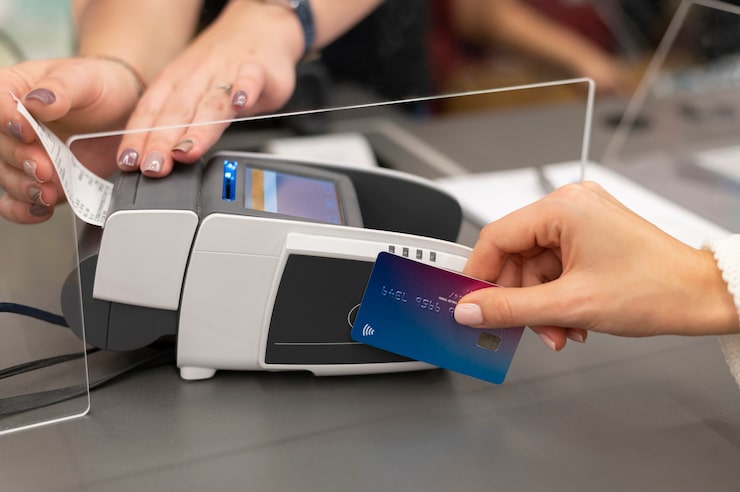
When comparing card machines, it’s important to evaluate several crucial aspects:
1. Transaction Fees and Costs
Cost is often the first consideration for business owners. Card machines typically involve two types of costs:
- Upfront Cost: The initial purchase or rental fee for the device. Some providers offer machines for free but may charge higher ongoing fees.
- Transaction Fees: Fees charged per transaction, either as a flat rate or a percentage of the sale.
Compare the total cost of ownership, including hidden fees such as monthly service charges, setup fees, or maintenance costs. Businesses with high sales volumes might benefit from lower transaction fees, while smaller businesses may prioritize lower upfront costs.
2. Payment Methods Supported
Modern card machines support multiple payment methods, including:
- Chip and PIN
- Contactless payments (NFC)
- Mobile wallets (Apple Pay, Google Wallet)
- Online and remote payments
Ensure the machine you choose can handle the payment methods your customers prefer. Failing to support popular payment options could result in lost sales.
3. Connectivity and Mobility
Card machines vary in their connectivity options. Common types include:
- Wi-Fi or Ethernet: Ideal for stationary terminals in stores.
- 3G/4G or SIM-enabled: Suitable for mobile businesses such as food trucks or market stalls.
- Bluetooth connections: Often paired with smartphones or tablets for on-the-go payments.
When you compare card machines, consider where and how you will use the device. Mobility and connectivity can significantly affect your operational efficiency.
4. Ease of Use and User Interface
A card machine should simplify transactions, not complicate them. Consider:
- Touchscreen vs. physical keypad
- Intuitive menus and prompts
- Speed of transaction processing
Machines that are easy for staff to operate reduce errors, training time, and customer wait times. Reading reviews and testing demos can help you gauge usability.
5. Security Features
Security is paramount when handling card payments. Look for machines that offer:
- EMV chip card compliance
- PCI DSS certification
- Encryption for contactless and mobile payments
A secure machine protects both your business and your customers from fraud, building trust and reducing liability.
6. Integration with Business Systems
Many card machines now integrate with point-of-sale (POS) systems, accounting software, and inventory management tools. This integration can:
- Streamline bookkeeping
- Reduce manual entry errors
- Provide valuable sales analytics
If you use a POS system, ensure the card machine you choose is compatible. This is especially important for businesses looking to scale or automate operations.
7. Customer Support and Reliability
Technical issues can disrupt operations, leading to lost sales and frustrated customers. Compare card machines based on:
- Availability of customer support (24/7 or business hours)
- Warranty and maintenance options
- Reliability and uptime guarantees
Reading customer reviews and checking the reputation of providers can help identify machines with dependable support.
Steps to Compare Card Machines Effectively
Now that you understand the key factors, here’s a step-by-step approach to compare card machines:
Step 1: Identify Your Business Needs
Start by assessing your business type, transaction volume, and customer preferences. For example:
- High-volume retailers may prioritize low transaction fees and fast processing.
- Mobile vendors may need portable machines with cellular connectivity.
- Cafes or restaurants may want contactless options and POS integration.
Knowing your needs will help narrow down suitable options.
Step 2: Research Providers
Compile a list of card machine providers. Look for:
- Established brands with a track record of reliability
- Competitive pricing and clear fee structures
- Machines that match your operational requirements
You can use comparison websites, online reviews, and provider websites to gather this information.
Step 3: Compare Features Side by Side
Create a comparison chart listing:
- Fees (upfront, monthly, per transaction)
- Payment methods supported
- Connectivity options
- Security features
- Integration capabilities
This visual comparison makes it easier to weigh pros and cons objectively.
Step 4: Test the Machines
Whenever possible, request a demo or trial period. This allows you to evaluate:
- Ease of use
- Speed of transactions
- Reliability in real-world conditions
Hands-on experience often reveals insights that specifications alone cannot provide.
Step 5: Read the Fine Print
Before committing, carefully review contracts and terms. Pay attention to:
- Hidden fees or penalties
- Contract length and termination policies
- Maintenance and support commitments
This step ensures there are no unpleasant surprises after purchase.
Step 6: Make an Informed Decision
After thorough comparison, select the card machine that aligns with your budget, operational needs, and customer expectations. Remember, the cheapest option isn’t always the best—it’s about finding the right balance of cost, functionality, and reliability.
Common Mistakes to Avoid When Comparing Card Machines
Even with careful research, businesses sometimes make mistakes:
- Focusing only on price: High transaction fees or unreliable machines can cost more in the long run.
- Ignoring customer preferences: If your customers prefer contactless or mobile payments, not supporting these options can hurt sales.
- Overlooking hidden fees: Always consider total costs, not just the purchase price.
- Neglecting integration needs: Lack of POS or accounting integration can create unnecessary workload.
Avoiding these pitfalls ensures you choose a machine that truly supports your business.
Final Thoughts
Choosing the right card machine is a critical decision for any business. By taking the time to compare card machines effectively, you can ensure smooth transactions, lower costs, and a better customer experience. Consider your unique needs, evaluate features carefully, and don’t hesitate to test devices before making a commitment. A well-chosen card machine is not just a payment tool—it’s an investment in your business’s efficiency and growth.