

Hearing loss is a significant health concern in India, affecting millions of people across all age groups. According to research, India is home to one of the largest populations of individuals with hearing impairment, and if proactive steps are not taken, this number is expected to rise. In this context, the vision of Deafness Free India 2047 becomes crucial. This initiative aims to make India free from preventable hearing loss by the year 2047. But achieving this goal requires collective effort from every citizen, community, and organization. Here’s a detailed guide on how you can contribute to making Deafness Free India 2047 a reality.
Understanding Deafness Free India 2047
Before exploring ways to contribute, it is important to understand what Deafness Free India 2047 stands for. The initiative focuses on:
- Awareness: Educating the public about causes, prevention, and early detection of hearing loss.
- Access to Care: Ensuring that hearing care services are available to every individual, irrespective of their location or socio-economic status.
- Early Intervention: Providing timely support to children and adults to minimize the long-term impact of hearing loss.
- Innovation in Technology: Using advanced hearing devices, screenings, and healthcare innovations to reach remote areas.
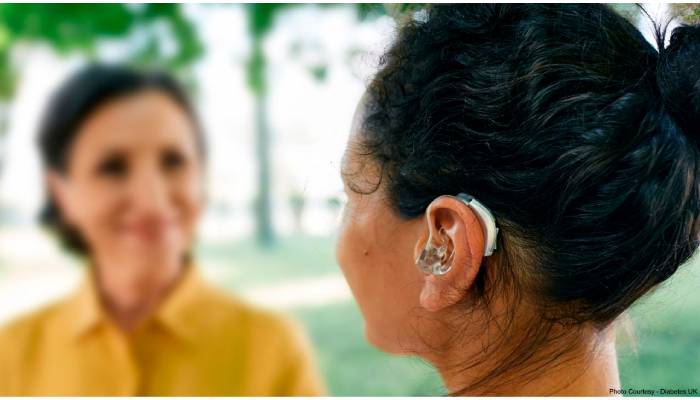
Spread Awareness in Your Community
Awareness is the first and most important step towards achieving Deafness Free India 2047. Many people in India are unaware of the risks and signs of hearing loss. You can contribute by:
- Organizing Local Events: Conduct workshops or seminars in schools, colleges, and community centers to educate people about hearing health.
- Sharing Information Online: Use social media platforms to spread awareness about hearing care tips, early signs of hearing loss, and preventive measures.
- Engaging with Youth Groups: Encourage young people to participate in awareness campaigns, as they can influence their families and communities effectively.
Support Ear and Hearing Care Programs
To make Deafness Free India 2047 a reality, it is essential to support organizations working in the field of ear and hearing care. You can do this by:
- Donating: Financial support helps non-profits organize free hearing camps, purchase hearing devices, and conduct research.
- Volunteering: Offering your time to help in hearing camps, awareness drives, or administrative work can contribute significantly.
- Partnering with NGOs: If you run a business or organization, collaborating with hearing care NGOs can expand their reach.
Promote Early Detection and Screening
Early detection is key to preventing permanent hearing damage. You can help by promoting regular hearing check-ups and screenings:
- Encourage Regular Check-Ups: Advise family members, friends, and colleagues to get their hearing tested, especially children and elderly people.
- Organize Screening Camps: Community leaders and volunteers can arrange hearing tests in schools and villages.
- Spread Knowledge About Warning Signs: Educate people about early signs of hearing loss, such as difficulty understanding speech, frequent asking for repetition, or withdrawal from conversations.
Advocate for Better Policies
Government support is crucial in making Deafness Free India 2047 achievable. Advocacy can create systemic changes that benefit millions:
- Lobby for Accessible Healthcare: Encourage policymakers to provide affordable and accessible hearing care services across India.
- Promote Inclusion in Education: Advocate for inclusive classrooms where children with hearing loss receive proper attention and support.
- Support Research Funding: Push for funding initiatives that focus on hearing loss prevention and innovative treatment options.
Utilize Technology for Awareness and Care
Modern technology plays a significant role in achieving Deafness Free India 2047:
- Hearing Devices: Support the distribution of hearing aids and cochlear implants to those in need.
- Mobile Apps for Hearing Screening: Promote apps that allow individuals to monitor their hearing health from home.
- Online Education Platforms: Use digital platforms to teach people about hearing care and preventive measures.
Foster a Supportive Environment
Creating a society where people with hearing impairment feel included is vital:
- Encourage Inclusive Communication: Learn basic sign language or use communication tools that help interact with hearing-impaired individuals.
- Support Educational Institutions: Help schools and colleges implement programs for children with hearing loss.
- Promote Empathy and Awareness: Encourage workplaces and communities to treat hearing impairment sensitively, reducing stigma and discrimination.
Small Actions Matter
While large-scale initiatives are important, individual actions count too:
- Share educational content about hearing health.
- Conduct mini-hearing tests at local community centers.
- Volunteer in awareness programs organized by local NGOs.
- Donate old hearing aids or contribute to fundraisers for hearing care programs.
Conclusion
The vision of Deafness Free India 2047 is ambitious but achievable with collective effort. Every individual, community, organization, and government body has a role to play. From spreading awareness and supporting ear care programs to advocating for better policies and embracing technology, there are numerous ways to contribute. By taking active steps today, we can ensure a future where preventable hearing loss becomes a thing of the past, and every Indian has access to the hearing care they deserve.