
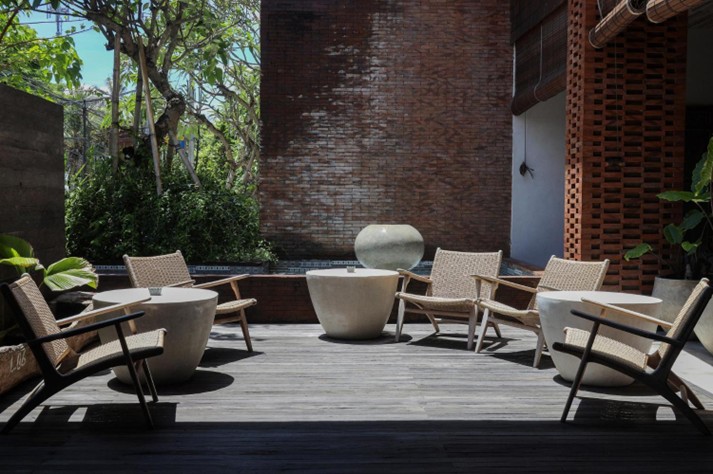
For many homeowners, the outdoor area is no longer viewed as a separate, secondary space. Gardens, patios, and yards are increasingly treated as extensions of the home, places where people relax, gather, and spend meaningful time throughout the year. Creating an outdoor living area that genuinely feels like home is less about expensive redesigns and more about thoughtful planning, comfort, and practical upkeep. This mindset also shapes how people approach maintenance tasks, from organising garden storage to handling wood and debris efficiently, which is why searches for essentials like a wood chipper for sale often form part of the early planning process when upgrading an outdoor space.
The goal is not perfection, but familiarity. An outdoor area should feel usable, welcoming, and easy to maintain, rather than something that requires constant effort to keep presentable.
Start With How You Want to Use the Space
Before choosing furniture or making changes, it helps to be clear about how the outdoor area will actually be used. Some people want a calm place to unwind after work, while others prioritise entertaining, family meals, or hobbies like gardening and DIY projects.
An outdoor living area works best when its layout reflects real habits rather than aspirational ideas. A small patio can feel more like home than a large garden if it is arranged around how people naturally spend their time. Seating, walkways, and activity zones should follow use, not trends.
Comfort Is the Foundation of Feeling at Home
Comfort is often what separates a decorative outdoor space from one that feels lived in. Simple additions such as weather-resistant cushions, throws, or shade solutions can dramatically change how inviting an area feels.
Comfort also comes from protection against the elements. Windbreaks, pergolas, or strategically placed planting can create sheltered pockets that make outdoor areas usable in more conditions. When a space feels physically comfortable, people are far more likely to use it regularly.
Define Zones Without Permanent Changes
Outdoor living areas benefit from clear structure, but this does not require construction. Defining zones for dining, relaxing, storage, or utility tasks helps the space feel organised and intentional.
Rugs, planters, lighting, and furniture placement can visually separate areas without locking the space into a single purpose. This flexibility allows the outdoor area to adapt over time as needs change, reinforcing the feeling that it is part of the home rather than a fixed display.
Lighting That Extends Everyday Use
Lighting plays a major role in how an outdoor space feels after sunset. Harsh or overly bright lights can make the area feel exposed, while warm, layered lighting creates a sense of intimacy similar to indoor rooms.
Low-level lighting along paths, soft illumination near seating areas, and subtle accent lights around plants or features encourage longer use into the evening. When lighting is done well, the outdoor area becomes part of daily routines rather than a daytime-only space.
Managing Maintenance to Reduce Friction
One reason outdoor spaces can feel disconnected from the home is the effort required to maintain them. Overgrown plants, scattered debris, and cluttered storage quickly erode enjoyment.
Planning for maintenance as part of the design helps avoid this. Storage that is easy to access, clear routes for moving equipment, and efficient ways to manage garden waste all contribute to a calmer, more functional environment. When upkeep feels manageable, the space is more likely to be used spontaneously.

Blending Practicality With Aesthetics
An outdoor living area that feels like home balances beauty with practicality. Decorative elements are important, but they should not interfere with usability. Furniture should be durable as well as attractive, and materials should be chosen with local weather conditions in mind.
This practical approach often leads to more relaxed spaces. When homeowners are not worried about constant wear or damage, they feel freer to treat the outdoor area as a genuine extension of their living space.
Making Outdoor Spaces Socially Inviting
Outdoor living areas often serve as gathering places. Whether hosting friends or spending time with family, a sense of welcome is key. Seating arrangements that encourage conversation, accessible food preparation areas, and clear pathways all help make guests feel comfortable.
These social considerations mirror indoor design choices. When outdoor spaces are arranged with people in mind, they naturally feel more like home.
Storage That Supports Everyday Living
Storage is an underrated aspect of outdoor comfort. When tools, cushions, and equipment are scattered or hard to access, the space can feel chaotic rather than relaxing.
Well-planned storage, such as discreet cabinets, benches with built-in compartments, or compact sheds, keeps essentials close without dominating the space. This organisation supports regular use and reduces the mental barrier to spending time outdoors.
Thinking Long-Term About Value and Use
Creating an outdoor living area that feels like home also has long-term benefits. Well-maintained, functional outdoor spaces contribute positively to property appeal and value. More importantly, they support quality of life by encouraging time outdoors, relaxation, and connection.
According to the Royal Institution of Chartered Surveyors, usable outdoor areas are increasingly viewed as valuable extensions of living space, particularly when they are easy to maintain and adaptable to different uses, a consideration often factored into property assessments and development advice provided by London party wall surveyors.
Adapting the Space Over Time
An outdoor living area does not need to be finished all at once. In fact, allowing it to evolve gradually often leads to better outcomes. As seasons change and habits shift, the space can be adjusted to reflect new needs.
This flexibility reinforces the idea that the outdoor area is part of everyday life rather than a static project. Small, incremental changes keep the space relevant and enjoyable year after year.
Bringing the Indoors Outside
Ultimately, an outdoor living area feels like home when it supports the same sense of ease and belonging as indoor spaces. Comfort, usability, and thoughtful maintenance all contribute to this feeling.
By focusing on how the space is actually used, reducing friction through smart organisation, and blending practicality with warmth, homeowners can transform outdoor areas into places that feel genuinely connected to their lives. When done well, the result is not just a nicer garden or patio, but an extension of home that invites regular use, relaxation, and connection.