

Financing land for sale in Florida can be an exciting journey, but it does come with its challenges. First, understanding land loans is key, as they differ from traditional mortgages and usually have higher down payment requirements of around 20-50%. There are several types of land loans to consider: improved, unimproved, and raw land loans. Each serves a specific purpose based on property development status. When seeking a lender, it’s essential to shop around for competitive rates and to prepare a clear plan for the property use. Additionally, exploring alternative financing options like owner financing may open up more pathways.
1. Understanding Land Loans in Florida
Land for sale in Florida are a unique type of financing tailored specifically for purchasing vacant or undeveloped land, setting them apart from traditional home loans. Unlike standard mortgages, which are often associated with properties that generate immediate income, land loans can carry higher interest rates due to the perceived risks involved in lending on land without existing infrastructure or income potential. Typically, borrowers should be prepared for a down payment ranging from 20% to 50%, depending on the lender and the specific characteristics of the land.
The application process for a land loan can be more intricate than that of a conventional mortgage, requiring comprehensive information about the land itself and the intended use, whether for building a home, starting a business, or engaging in agricultural activities. Many lenders will also scrutinize the borrower’s credit history more closely, so maintaining a solid credit score is essential for securing favorable terms. Additionally, lenders usually want to see a clear development plan that outlines how the land will eventually generate value.
When considering financing options, it’s vital to understand the local market and the regulations that could impact land use and financing availability. Certain lenders may only finance land in specific locations, making it beneficial to research those with expertise in Florida land loans. Prospective buyers should also anticipate a longer approval process, as lenders conduct thorough evaluations of undeveloped land to ensure it aligns with their lending criteria.
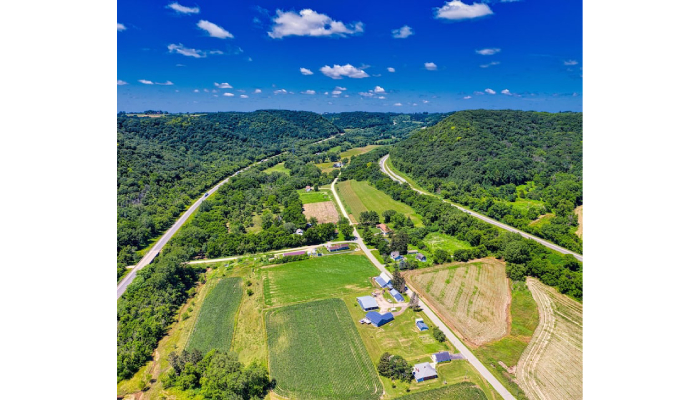
2. Types of Land Loans Explained
When it comes to financing land in Florida, understanding the different types of land loans is essential. Improved land loans are a great option if the property has existing utilities like water and electricity, making these loans more appealing to lenders. These loans cater to properties ready for residential or commercial development. On the other hand, unimproved land loans are available for lots that might have some infrastructure but still require additional work to reach their full potential.
For those looking at completely undeveloped land, raw land loans are often the toughest to secure. Lenders see these properties as high-risk since they come with no existing access to utilities or roads. Each type of loan has varying requirements and terms, so it’s crucial to align your choice with both the land’s current status and your future plans for it.
The intended use of the land plays a significant role in determining which loan is right for you, whether you plan to build a home, start a farming venture, or develop a commercial site. Additionally, it’s wise to keep in mind the potential for future zoning changes that can influence both the land’s value and the terms of your loan. Understanding local zoning laws will help clarify what type of loan suits your needs and what development might be possible in the future.
Finding the right lender is also key, as some may specialize in particular types of land loans. Consulting with a real estate expert can provide valuable insights, guiding you to the best loan option tailored to your specific circumstances.
3. Steps to Obtain Land Financing
To kick off your land financing journey, first identify lenders who specialize in land loans. Unlike traditional mortgages, not all banks offer these options, so it’s crucial to shop around for lenders with experience in land financing. Next, gather your necessary documentation, which typically includes proof of income, your credit history, and details about the land you are interested in. Lenders will want to understand your plans for the property, whether you envision building a dream home, starting a business, or simply holding onto it as an investment.
As part of the application process, you may need to submit an appraisal to assess the land’s value. If you plan to develop the property, be prepared to provide feasibility studies that outline your plans. Keep in mind that purchasing land may come with extra costs beyond the price tag, including closing costs and potential land surveys, which can add up quickly. Once your application is submitted, be patient; the review process can take longer than for traditional home loans due to the additional scrutiny involved. Maintain open communication with your lender throughout this period to ensure all requirements are met.
To strengthen your position as a buyer, consider getting pre-approved for a loan. This not only helps you understand your budget better but also shows sellers you are serious. Finally, before you sign on the dotted line, review the loan terms carefully. Make sure you fully understand all fees and obligations, ensuring that you are comfortable with your financial commitment.
- Start by identifying potential lenders who specialize in land loans, as not all banks offer these options.
- Gather necessary documentation such as proof of income, credit history, and details about the land you wish to purchase.
- Prepare to explain your plans for the land to the lender, including how you intend to develop or utilize it.
- A comprehensive application may involve submitting an appraisal to determine the land’s value, along with feasibility studies if you plan to build.
- Be ready for additional costs that may come with land purchases, including closing costs and potential land surveys.
- Once you submit your application, be patient, as the review process may take longer than for traditional home loans due to the additional scrutiny.
- Keep in close communication with your lender during the process to ensure all requirements are being met.
- Consider getting pre-approved for a loan to better understand your budget and strengthen your position as a buyer.
- Review the terms of the loan carefully before signing, ensuring you understand all fees and obligations.
4. Key Lender Requirements for Land Loans
When seeking financing for land in Florida, you’ll encounter specific lender requirements that can shape your application process. First, expect lenders to request an appraisal, which helps determine the land’s value before any loan approval. A property survey may also be necessary to confirm boundaries and assess potential risks associated with the land. Lenders want to know your plans for the property, so a detailed plan for its intended use is often crucial. This allows them to evaluate the associated risks more accurately.
For unimproved or improved land loans, having proof of access to essential utilities can be a game-changer. A solid credit score is vital, as lenders typically impose stricter credit requirements for land loans compared to traditional home loans. Your debt-to-income ratio will also be taken into account, ensuring you can manage the loan payments comfortably.
If you plan to build on the land, providing a clear construction timeline and budget can significantly strengthen your application. Additionally, offering a down payment that exceeds the minimum requirement can enhance your chances of approval. Finally, having a financial plan ready showcases your ability to handle unforeseen costs associated with developing the land, making you a more attractive candidate to lenders.
5. Interest Rates and Loan Terms Overview
When it comes to financing land in Florida, understanding interest rates and loan terms is crucial. Interest rates on land loans are usually higher than those for traditional mortgages, falling between 11% and 15%. This means that your monthly payments could be significantly affected by the interest rate you secure. Additionally, land loans typically come with shorter loan terms, often ranging from 10 to 20 years. Some private loans may even have terms as brief as 18 to 24 months, which can be risky if you’re not prepared for repayment.
Some lenders may offer fixed rates, while others might provide variable rates that fluctuate with market conditions. It’s a smart move to compare rates from multiple lenders to ensure you find the most favorable deal. Keep in mind that these interest rates can impact your overall budget for the land purchase and any development plans you may have.
Understanding the implications of different loan terms is key, as shorter terms often mean higher monthly payments, but could also result in less interest paid over time. Be sure to review the total cost of the loan throughout its life to gauge affordability. Lastly, don’t forget to ask lenders about any potential fees or penalties associated with early repayment, as these can add unexpected costs to your financing plan.
6. Special Considerations for Financing
When financing land in Florida, there are several special considerations to keep in mind that can significantly impact your options and success. First, zoning laws play a crucial role in determining what type of financing is available. For instance, if the land is zoned for agricultural use, certain loans may not be an option, so it’s important to ensure your intended use aligns with local regulations. Additionally, lenders might have specific requirements regarding the land’s quality, such as needing soil tests if you plan to use it for farming.
Environmental assessments can also be necessary to spot any potential issues that could hinder development, so being proactive here is key. Understanding property taxes is vital too, as these can vary widely across different regions, affecting your overall budget. You should also research any restrictions that might exist on the land, such as easements or conservation regulations, as these could restrict what you can do with the property.
It’s essential to be aware of flood zones or other environmental risks, since they can complicate financing options and require additional insurance. Finally, consider future infrastructure developments in the area, as these can boost land value and influence financing possibilities. Consulting with a local real estate expert can provide invaluable insights into these considerations, ensuring you’re well-prepared for the journey ahead.
7. Alternative Financing Options Available
If you’re looking to finance land in Florida, several exciting alternatives can make your dream a reality. Owner financing is a fantastic option where buyers can purchase directly from the seller, enjoying flexible payment terms that suit their budget. For those who may not meet traditional lending criteria, private lenders offer more adaptable financing solutions, though they often come with higher costs.
Crowdfunding is a newer method that allows multiple investors to pool resources for a land purchase, creating opportunities for those who may not have enough capital on their own. Another innovative approach is through lease-to-own agreements, enabling you to secure the land without hefty upfront costs; you can make payments while gradually gaining ownership.
If you already own a property, consider using a home equity line of credit (HELOC) to access funds for your land purchase, this can be a cost-effective choice. Additionally, some financial institutions have specialized land loan programs, tailored to meet unique buyer needs. For agricultural land purchases, government-backed loans can provide favorable terms that make financing more accessible.
Don’t overlook local grant programs or incentives, as these can assist with financing in specific areas. Lastly, peer-to-peer lending platforms are an option to connect directly with individual investors who might be willing to fund your land acquisition. With so many alternatives available, financing your Florida land purchase can be more achievable than ever!
8. Seeking Expert Guidance for Land Purchase
Navigating the land buying process in Florida can be complex, but seeking expert guidance can make it much smoother. A knowledgeable real estate agent specializing in land transactions can provide you with valuable insights and help streamline your search. They know the market, understand local regulations, and can help you find properties that meet your needs. Consulting with a financial advisor is also wise; they can help you assess your budget and explore various financing options to ensure you make informed decisions.
Legal guidance can be essential in understanding contracts and local laws related to land purchases. Engaging a real estate attorney can protect your interests, especially when drafting and reviewing purchase agreements. Additionally, talking to a land surveyor can clarify property boundaries and potential uses, which is critical before making an investment.
Networking with local landowners or real estate investors can provide firsthand insights and recommendations on the best financing options available. Attending local workshops or seminars focused on land buying and financing can further enhance your knowledge, helping you feel confident in your decisions. Don’t forget to consult with lenders who are experienced in land financing; they can clarify specific requirements and improve your application process. Joining local real estate investment groups can also offer support and resources, making the entire journey to acquiring land in Florida much more manageable.