
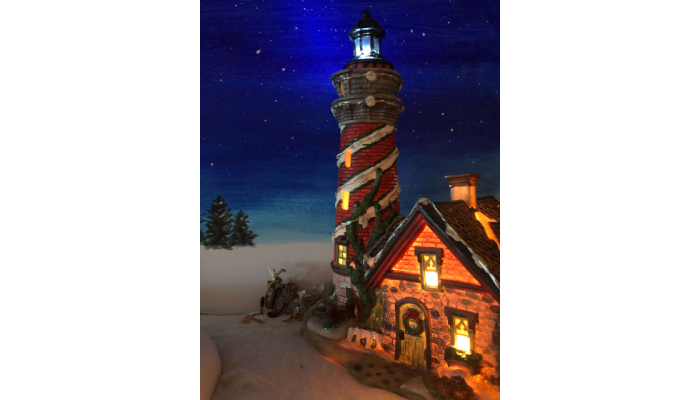
Miniature LED lights can bring incredible charm to spaces, but they occasionally run into some common issues. First and foremost, always prioritize safety: turning off power before repairs is crucial. Flickering lights may indicate a power supply problem or loose connections; tightening them or replacing the supply often resolves the issue. If your LED strips aren’t sticking properly, clean the surfaces thoroughly and consider using extra adhesive. Uneven brightness might stem from unstable voltage – inspecting your wiring can help fix that. Remember to regularly check for damaged sections and faulty components to maintain a vibrant glow in your setup!
1. General Safety Tips for Handling LED Lights
When working with miniature LED lights, safety should always be your top priority. Before diving into any installation or repair, make sure to turn off the power to prevent any shocking surprises. It’s wise to use insulated tools, which help reduce the risk of short circuits and keep you safe from injuries. Always check that the voltage of your LED strips matches the power supply to avoid overheating, which can lead to fire hazards.
Bending LED strips at sharp angles is a big no-no, as this can damage the diodes and disrupt functionality. Protect your eyes by wearing safety goggles, especially when handling dust or debris around the installation area. Keeping your workspace clean and dry is essential for avoiding accidents and ensuring that the LED strips adhere correctly.
Be mindful not to touch the LED diodes with your fingers, as the oil from your skin can diminish their brightness. Always inspect for any exposed wires or loose connections, which pose electric shock risks. Storing LED lights in a cool, dry place will help maintain their longevity and performance. Lastly, be cautious of heat buildup in enclosed spaces, as this can lead to overheating of the LED components, potentially causing damage.
- Always turn off the power before starting any installation or repair work to prevent electrical shocks.
- Use insulated tools to prevent short circuits or injuries during the process.
- Ensure the voltage of the LED strips matches the power supply to avoid overheating and potential fire hazards.
- Do not bend LED strips at sharp angles, as this can damage the diodes and cause functionality issues.
- Wear safety goggles to protect your eyes from dust or debris while working on LED installations.
- Keep your work area clean and dry to avoid accidents and ensure optimal adhesion for LED strips.
- Avoid touching the LED diodes directly with your fingers to prevent oil transfer that can reduce brightness.
- Check for any exposed wires or connections, which can pose a risk of electric shock.
 2. Common Problems and Solutions
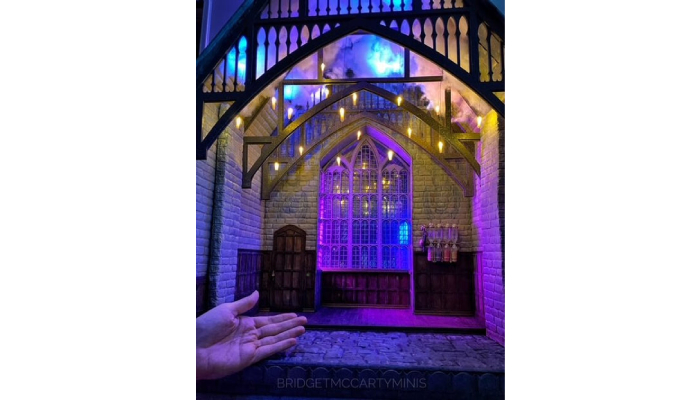 2. Common Problems and Solutions
Flickering LED lights can be a real nuisance, and they often signal issues like inadequate power supply, loose connections, or even voltage drops. To tackle this, start by checking the power supply and replacing it if it doesn’t meet the requirements. Make sure all connections are securely fastened, and if the problem persists, consider replacing the LED strip itself for a fresh start.
If your LED strips aren’t sticking properly, it might be due to insufficient adhesive or dust accumulation on the surface. A quick fix is to clean the area thoroughly before installation. If the adhesive still doesn’t hold, you can apply additional adhesive or double-sided tape to keep your strips in place.
Uneven brightness can make your setup look unprofessional. This issue typically arises from poor power distribution or inconsistent voltage. Ensure your power supply is stable, and inspect the wiring for damage. If you have long runs of LED strips, adding a voltage regulator can help maintain uniform brightness throughout.
Experiencing the wrong color output? This is often due to incorrect wiring or low-quality components. Carefully verify that your wiring is correct and replace any faulty power supplies to ensure compatibility with your LED strips.
Seeing different colors along the strip? This can happen because of faulty connections or mismatched components. Inspect and secure all connections, and if needed, re-solder any damaged areas to restore uniformity.
Dead sections in your LED strips could be caused by broken wires or poor soldering. To fix this, check for any power supply issues or consider replacing the damaged section of the strip. It’s a straightforward way to bring your lights back to life.
Flashing LEDs can be irritating, and they usually indicate loose connections or a defective power supply. Tighten all connections, and if the problem continues, look into replacing the power supply.
Overheating and burning smells are serious concerns. These issues can arise from inadequate ventilation or excessive current. Turn off the power immediately and ensure proper airflow around your setup. If components are defective, replacing them is crucial to prevent further damage.
Finally, if your LEDs are not turning on at all, this could be due to defective power supplies or poor connections. Start by checking the power supply and ensuring all connections are secure. With a little troubleshooting, you can breathe new life into your miniature LED lights!
3. Step-by-Step Troubleshooting Guide
Start by identifying the problem. Look for signs like flickering lights, uneven brightness, or sections that are unresponsive. This initial observation helps you understand what needs fixing. Next, gather your tools. A multimeter is essential for testing voltage, while soldering tools come in handy for repairs. Don’t forget a cleaning cloth to prepare surfaces before working on them.
If you notice flickering, inspect the connections first. Loose wires or faulty connections can cause this issue. Also, check if your dimmer is compatible with the LED lights, as mismatched components can lead to flickering as well. Use the multimeter to test the voltage, ensuring it meets the required specifications.
For uneven lighting, carefully examine the LED strip. If you find any faulty sections, replace them with new ones to restore uniform brightness. When addressing power issues, verify the power source and transformers. These components must be functioning correctly, so replace any that are defective to keep your lights shining bright.
Watch out for overheating as well. Monitor the temperature of the LED strips during operation. If they get too hot, it could lead to damage or even a fire hazard. Lastly, inspect all connections for looseness or corrosion, as these can severely impact performance. If you discover any damaged sections on the LED strip, replacing them is crucial for maintaining the overall integrity of your lighting system. Always refer to the manufacturer’s guidelines for specific troubleshooting steps related to your LED model, as they can provide valuable insights tailored to your setup.
4. Tools and Materials Recommended
To tackle common issues with miniature LED lights effectively, having the right tools and materials at your fingertips is key. A heat gun is perfect for carefully removing LED strips without damaging the surfaces underneath. Pair that with a plastic scraper, which allows for gentle lifting of the strips, ensuring you don’t cause any harm in the process. To diagnose electrical issues accurately, a multimeter is essential for testing voltage, helping you pinpoint problems with precision. If you discover faulty connections, a soldering iron will come in handy for making necessary repairs or replacing components. It’s wise to keep replacement LED strips on hand for quick swaps when needed. When installing new strips, an adhesive remover will help clean the surfaces thoroughly, ensuring a solid bond. Wire cutters are useful for trimming LED strips to the desired length during installation. For safety, electrical tape is crucial for insulating any exposed wires during repairs, while safety gloves protect your hands from potential hazards. Lastly, cleaning cloths will help maintain a tidy work area, which is vital for ensuring good adhesion of the LED strips.
5. Preventative Measures
To ensure your miniature LED lights last longer and perform better, it’s essential to take some preventative measures. Start by using high-quality LED components, as they are less likely to fail prematurely and can significantly enhance longevity. Proper installation is also crucial: make sure to follow guidelines closely to avoid issues like overheating and flickering. Regularly inspect your installations for any signs of wear or damage, such as loose connections or frayed wires, which can lead to bigger problems down the line.
Avoid overloading circuits, as this can result in overheating and even pose fire hazards. When not in use, store LED strips properly; keeping them away from moisture and extreme temperatures can help maintain their integrity. Always adhere to manufacturer guidelines for installation and usage to maximize performance and safety. Consider investing in surge protectors to shield against voltage spikes that could damage your LED components.
Keeping remote controls and dimmers updated ensures compatibility with LED technology, which can enhance your overall experience. Educating users about proper usage and maintenance of LED lights can also go a long way in prolonging their lifespan. Lastly, perform maintenance checks periodically to catch minor issues before they escalate into major concerns.