
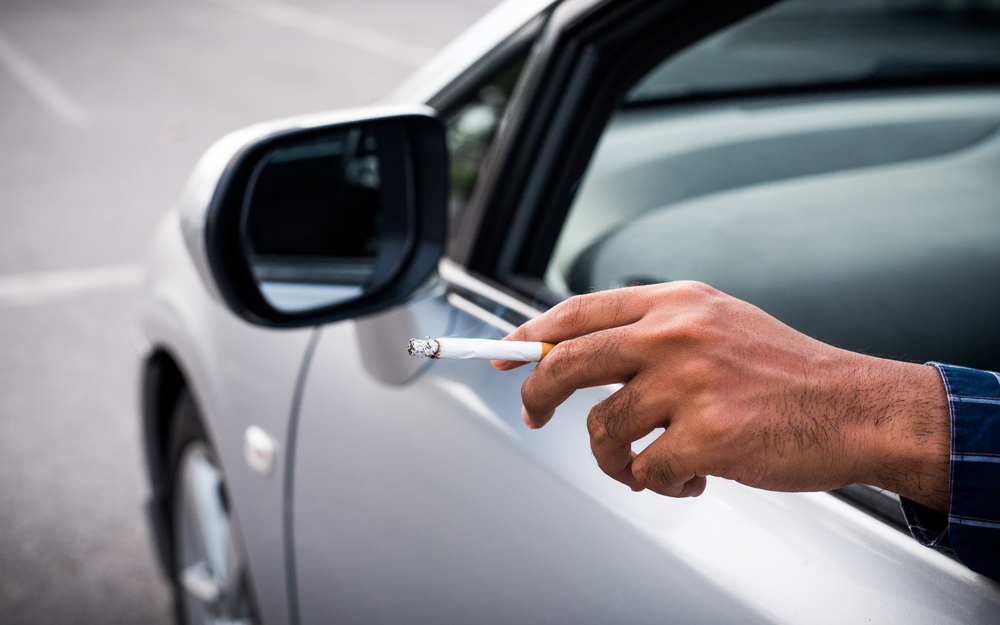
The smell of cigarette smoke in a car is one of the most stubborn and unpleasant odors to deal with. Whether you’re a non-smoker who bought a used vehicle or a former smoker looking for a fresh start, removing smoke odor from your car takes more than a quick spray of air freshener. The key is to clean thoroughly and neutralize the odor at its source—not just mask it.
This guide will walk you through how to get rid of smoke smell in a car permanently using proven cleaning methods, odor-neutralizing products, and preventative tips.
Why Is Smoke Smell So Difficult to Remove?
Smoke particles are microscopic and cling to surfaces, including:
-
Upholstery
-
Headliners (the fabric on the ceiling)
-
Carpet
-
Air vents
-
Plastic and vinyl surfaces
-
Cabin air filters
Cigarette smoke contains tar and other chemicals that settle deep into porous materials, which is why it takes a detailed process to eliminate the odor fully.
Step-by-Step: How to Eliminate Smoke Smell from Your Car
1. Remove All Ash and Debris
Start by removing anything that smells of smoke:
-
Empty the ashtray and dispose of cigarette butts.
-
Vacuum the entire interior, especially under seats and in crevices.
-
Remove floor mats and clean them separately.
2. Clean Upholstery and Carpet
Use a carpet and upholstery cleaner specifically designed for vehicles:
-
Spray a light mist and scrub using a soft brush or microfiber cloth.
-
Use a wet/dry vacuum or extractor for deep cleaning.
-
Allow the surfaces to dry thoroughly.
If your seats are leather or vinyl, use a pH-balanced leather cleaner instead.
3. Wipe Down All Surfaces
Smoke residue also clings to hard surfaces. Use an all-purpose interior cleaner or a solution of water and white vinegar to clean:
-
Dashboard
-
Door panels
-
Steering wheel
-
Console
-
Windows and mirrors (use a dedicated glass cleaner)
Don’t forget the headliner, but clean gently—over-saturating can damage the adhesive.
4. Replace the Cabin Air Filter
The cabin air filter traps particles from the air entering your car’s HVAC system. If it has absorbed smoke, it will continue to circulate the smell.
-
Check your vehicle manual for location and replacement instructions.
-
Replace with a new, activated carbon filter if possible.
5. Neutralize Odors with an Odor Eliminator
Air fresheners mask smells; odor eliminators neutralize them. Use one of the following:
-
Activated charcoal: Place in a container under the seat to absorb odor.
-
Baking soda: Sprinkle on carpets, leave overnight, and vacuum.
-
Ozone generator: Professional-grade solution that oxidizes odor molecules. Ideal for serious smoke issues.
-
Commercial enzyme sprays: Break down organic odor-causing compounds at the molecular level.
Avoid heavily scented products that can mix with smoke odor and make it worse.
6. Air Out the Vehicle
-
Park your car in a safe, dry area.
-
Open all doors and windows for several hours.
-
Use portable fans to increase airflow if needed.
Repeat this process for several days if the smell is persistent.
Preventing Smoke Odor in the Future
-
Avoid smoking in the car entirely if you want to keep it clean.
-
Use a window-mounted ashtray to reduce ash falling onto surfaces.
-
Regularly clean and vacuum to prevent buildup.
-
Replace the cabin filter annually for best air quality.
Quick Summary Table: Smoke Smell Removal Process
| Step | Action | Why It Matters |
|---|---|---|
| Remove Ash and Debris | Vacuum thoroughly, dispose of butts | Removes lingering particles and sources |
| Clean Upholstery & Carpet | Use fabric cleaner or extractor | Targets embedded smoke in porous materials |
| Wipe Down Surfaces | Clean vinyl, plastic, and glass | Removes sticky tar and residue |
| Replace Cabin Air Filter | Install new filter | Prevents recirculation of smoke smell |
| Use Odor Eliminators | Charcoal, baking soda, or enzyme spray | Neutralizes odors rather than masking them |
| Air Out the Car | Open windows and doors | Enhances ventilation and odor removal |
Keyword Integration
Sometimes, solving a car-related issue doesn’t require expensive tools. For instance, just like learning How to Reset Check Engine Light Without Scanner can save a costly trip to the mechanic, following DIY methods to remove smoke odor from your car can restore freshness without the need for professional detailing.
FAQs: Smoke Smell in Cars
Q1: How long does it take to remove smoke smell from a car?
A: Depending on how saturated the interior is, full removal can take anywhere from a few hours to several days of cleaning and ventilation.
Q2: Do ozone treatments really work?
A: Yes, ozone generators are highly effective at breaking down smoke molecules but should be used with caution and proper ventilation. Some car detailers offer this as a service.
Q3: Will air fresheners get rid of the smoke smell?
A: No. They only mask the odor. You need to clean the interior and neutralize the source of the smell for permanent results.
Q4: Can baking soda damage car interiors?
A: Not typically. It’s safe for most surfaces, but always test on a small area first and vacuum it out thoroughly after use.
Q5: Is replacing the cabin filter necessary?
A: Yes. The cabin air filter traps odor-causing particles. Replacing it prevents recirculation of smoke through your vents.
Final Thoughts
Eliminating the smoke smell in a car requires more than a surface clean—it’s about neutralizing the problem at every level. With the right combination of cleaning, odor elimination, and ventilation, even heavily smoked-in vehicles can smell fresh again.
Whether you’re preparing your car for resale, a new owner, or just a fresh start, taking the time to do it right will pay off in both air quality and value.