
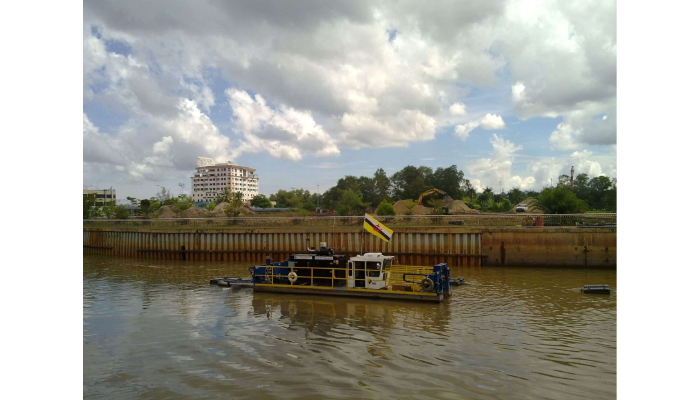
When embarking on a river dredging project, selecting the right equipment is crucial for success. First, understand the different types of dredging machinery available, from compact portable dredgers to heavy-duty cutter suction dredgers. Consider your project scope: assess the water depth, sediment type, and material volume to determine needed capacity. Additionally, evaluate environmental impacts; modern equipment often features eco-friendly designs while portability benefits remote projects. Don’t forget maintenance either; regular check-ups enhance performance and longevity. By weighing these factors against your unique needs, you can confidently choose the best dredging equipment to ensure efficiency and effectiveness in your operations.
1. Understanding Dredging Equipment: An Overview
River Dredging equipment is essential for excavating and moving underwater materials, playing a critical role in navigation, resource extraction, and restoring ecosystems. This specialized machinery comes in various forms to meet different needs, with options ranging from portable dredgers for small projects to large vessels for extensive operations. Portable dredgers are particularly useful in tight spaces, allowing for quick deployment and efficiency in temporary projects. On the other hand, cutter suction dredgers utilize rotating blades to break up tough soils, enhancing their effectiveness in challenging conditions. For deeper waters, hopper dredgers are designed to extract large quantities of sand, capable of transporting significant loads over long distances. Mechanical dredgers use buckets to scoop materials, making them ideal for hard sediments, while hydraulic dredgers are versatile and can handle different types of sediment using suction systems. Additionally, specialized equipment such as dredge sleds and auger dredgers cater to specific needs, like working in shallow waters with minimal disturbance. Understanding each type’s operational limits and capabilities is crucial for selecting the appropriate equipment for your project, especially with advancements leading to eco-friendly designs that reduce impacts on aquatic life.
2. Key Factors for Selecting Dredging Equipment
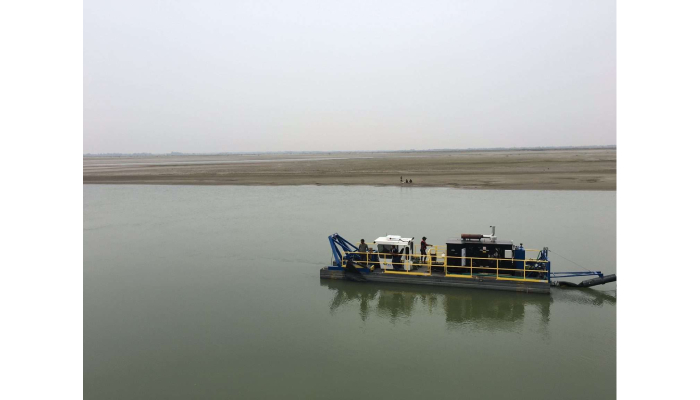
Selecting the right dredging equipment involves several crucial factors that can significantly impact your project’s success. Start by evaluating the depth and volume of sediment you need to handle. For large-scale projects with extensive sediment, you may require heavy-duty dredgers, while smaller operations can benefit from portable options. Next, consider the type of sediment involved. Different materials like silt, clay, or sand require specific dredging techniques, so matching the equipment to the material is key.
Environmental regulations are another important aspect to keep in mind. Equipment with eco-friendly features can help minimize disruption to aquatic ecosystems, which is increasingly important in today’s environmentally conscious landscape. If your project is in a remote area, portability becomes a major factor; lightweight dredgers can be easily transported and set up, ensuring efficiency even in challenging locations.
Efficiency metrics should also be assessed, such as pump output and sediment handling speed. These metrics give you insight into how effectively the equipment will perform, which can save time and money. Operator safety and ease of use are non-negotiable features; choosing equipment designed with these in mind can enhance productivity and reduce accidents. Budget constraints will always play a role in your decision-making process, so balance the features you need with the costs involved.
Don’t hesitate to consult with experts or review previous case studies to gather insights on what has worked in similar conditions. This can provide you with a clearer picture of the best equipment for your specific needs. Additionally, consider the maintenance requirements of the equipment you are eyeing. Equipment that is easy to maintain will ensure long-term operational efficiency and minimize downtime.
Lastly, check the availability of parts and service for the selected equipment. This helps avoid delays during your project, keeping everything on schedule. By taking these key factors into account, you can confidently choose the right dredging equipment for your project.
- Evaluate the depth and volume of sediment to determine the appropriate size and type of dredger needed.
- Consider the type of sediment involved; different materials require different dredging techniques.
- Environmental regulations may dictate equipment features to minimize ecological disruption.
- Portability is key for projects in remote areas; lightweight dredgers can be moved easily.
- Assess the efficiency of the dredging process by looking at metrics like pump output and sediment handling speed.
- Check for equipment features that enhance operator safety and ease of use.
- Budget constraints play a significant role in equipment selection; balance features with costs.
- Consult with experts or previous case studies to understand what worked in similar conditions.
- Review maintenance requirements to ensure long-term operational efficiency and lower downtime.
- Consider the availability of parts and service for the selected equipment to avoid delays.
3. Types of Dredging Equipment Explained
Dredging equipment comes in various forms, each designed for specific tasks and sediment types. Mechanical dredgers are robust machines that use buckets to scoop heavy sediments, making them ideal for challenging environments where compact materials are present. On the flip side, hydraulic dredgers are perfect for loose or fine materials, using powerful suction systems to quickly remove large volumes of sediment, ensuring efficiency in projects requiring extensive dredging.
For smaller projects in shallow waters, plain suction dredgers shine by expertly handling fine sediments with precision. If the conditions are tough, cutter suction dredgers step in, equipped with cutting heads to break up stubborn soils while dredging. For extensive operations, trailing suction hopper dredgers are game-changers, as they can dredge and transport materials simultaneously, making them perfect for large-scale projects.
Moreover, auger suction dredgers are designed for precision work, minimizing sediment disturbance, which is crucial for protecting sensitive aquatic habitats. Lightweight and highly maneuverable, dredge sleds are excellent for quick tasks in shallow waters, offering versatility on smaller job sites. Lastly, sand dredging equipment is tailored for efficiently handling loose materials, making it the go-to choice for beach nourishment projects. Understanding these types ensures you select the right equipment tailored to your project’s specific needs.
4. Maintenance Tips for Dredging Equipment
Maintaining dredging equipment is essential for ensuring smooth operations and extending its lifespan. Regular inspections should be a priority, as they help spot wear and tear before they escalate into serious issues. After each use, thoroughly cleaning the equipment prevents sediment buildup and corrosion, which can significantly hinder performance. Lubricating moving parts is another key tip, as it reduces friction and enhances the overall efficiency of the machinery.
It’s also important to regularly tighten connections and check for leaks, as these steps help maintain the integrity of the equipment. Keeping an organized maintenance log is invaluable, allowing you to track repairs and servicing schedules effectively. When it comes to replacing parts, always opt for original components to ensure compatibility and reliability.
Operator education plays a crucial role too; teaching proper handling techniques can minimize accidental damage during operation. Additionally, consider setting up seasonal maintenance schedules to prepare for varying conditions throughout the year. Investing in training for maintenance personnel ensures they have the skills needed for proper care and handling of the equipment. Lastly, establishing a relationship with a reliable service provider for timely repairs and support can save you time and money, keeping your project on track.
5. Case Studies on Effective Dredging Equipment Use
Analyzing real-life projects reveals the crucial role of dredging equipment selection. For instance, a community project successfully utilized portable dredgers for sediment removal, leading to a remarkable improvement in water clarity. This case highlights how tailored equipment choices can yield significant benefits.
In comparing hydraulic and mechanical dredgers in similar projects, the results provide valuable insights into performance. Hydraulic dredgers often excel in handling fine sediments, while mechanical options are more effective for compact materials. This distinction is vital for project managers to consider when planning.
Case studies also emphasize the importance of selecting equipment based on specific project requirements, including the type of sediment and environmental impact. For example, environmental assessments from past projects have shown that choosing eco-friendly dredging solutions can minimize disruption to aquatic ecosystems.
Success stories frequently feature innovative adaptations of standard equipment to tackle unique challenges, thus expanding the possibilities for dredging operations. Documenting challenges encountered during these projects can offer valuable lessons for future endeavors, helping to refine equipment selection and operational strategies.
Evaluating the economic impact of dredging projects is equally essential, focusing on cost efficiency and timelines. Community involvement often plays a critical role in these projects, impacting outcomes positively. Feedback from operators and project managers can further enhance future equipment choices, ensuring improved performance and satisfaction.
6. Final Thoughts on Choosing Dredging Equipment
Choosing the right dredging equipment is more than a simple decision; it is a complex process that demands careful analysis of your project’s unique needs. Factors such as the type of sediment you are working with, the scope of the project, and environmental considerations play pivotal roles in your selection. It is crucial to balance performance and cost, as maximizing efficiency while minimizing waste can lead to significant benefits in the long run. Take the time to conduct thorough research and consult with experts to make informed choices that can enhance your project’s outcomes. Stay abreast of industry trends and innovations, as new technologies can offer improved capabilities. Networking with other professionals can also provide valuable insights into equipment performance and suitability. Encouraging feedback from operators allows you to refine your choices and ensure that the equipment functions effectively for your specific needs. Documenting your experiences will serve as a helpful reference for future projects, enabling you to build a strategy that considers long-term impacts, maintenance, and sustainability. Lastly, regularly review your equipment strategy in light of project results and emerging innovations to foster continual improvement in your dredging operations.