
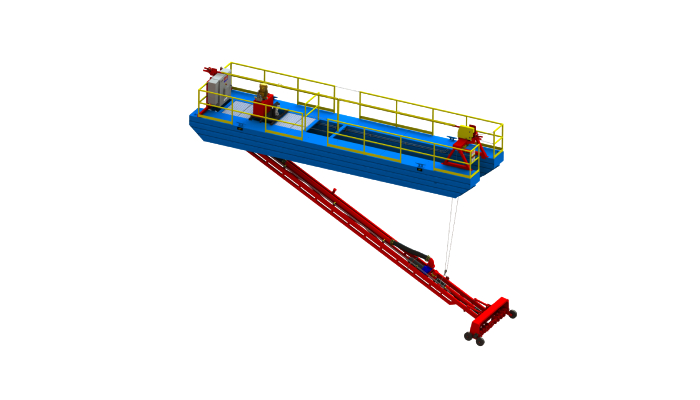
Electric dredges are revolutionizing the dredging industry by offering a cleaner alternative to traditional diesel-powered machines. These innovative tools are not only environmentally friendly, emitting less pollution, but they also operate more quietly, making them ideal for sensitive areas like harbors and cities. While the initial investment can be higher, their lower operating costs from fuel savings and reduced maintenance make them economically viable in the long run. Key technologies such as variable frequency drives and automated control systems enhance efficiency even further. By focusing on regular maintenance and operator training, stakeholders can maximize performance while contributing to sustainable practices in dredging operations.
1. Understanding Electric Dredges and Their Uses
Electric dredge are revolutionizing the way we approach dredging projects. Operating on electric power rather than traditional diesel engines, these dredges not only enhance efficiency but also significantly reduce harmful emissions. They are commonly deployed in various crucial applications, such as dredging rivers, maintaining harbors, and restoring wetlands, which are vital for environmental health and sustainability. Their design allows for precise control, making them perfect for delicate tasks that require a gentle touch. This is especially important in sensitive ecosystems where wildlife preservation is paramount.
In urban areas, electric dredges shine due to their low noise levels and minimal emissions, which contribute to healthier communities. Equipped with advanced monitoring systems, they offer real-time performance feedback that helps optimize operations and improve efficiency. Moreover, these dredges can be tailored with interchangeable attachments for specific tasks, maximizing their versatility across different projects. Training programs for operators focus on the unique features of electric dredges, enhancing their operational skills and ensuring that they can leverage all the benefits these machines have to offer. As technology continues to evolve, the integration of smart systems for predictive maintenance further boosts productivity, allowing for uninterrupted operations and increased efficiency. Understanding the diverse applications and functionalities of electric dredges is key to unlocking their full potential in various dredging projects.
 2. Environmental Benefits of Electric Dredges
 2. Environmental Benefits of Electric Dredges
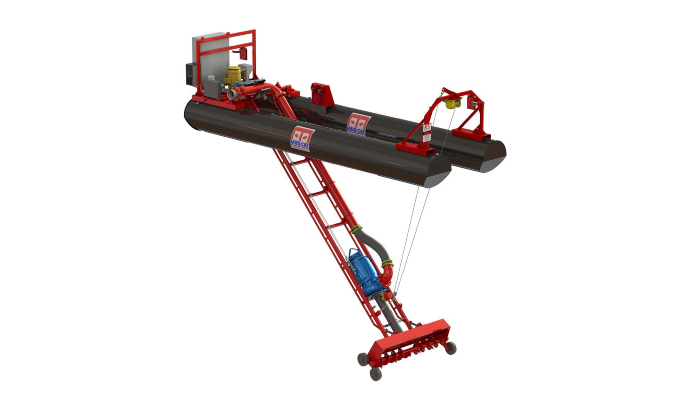
Electric dredges are making waves in the dredging industry by significantly lowering carbon emissions compared to traditional diesel models. This reduction not only contributes to cleaner air but also aligns with global initiatives aimed at reducing reliance on fossil fuels. Imagine the positive impact on aquatic ecosystems: by minimizing noise pollution, electric dredges protect marine life that would otherwise be disturbed by the loud rumble of diesel engines. Additionally, the risk of oil spills and fuel leaks is greatly diminished, safeguarding sensitive habitats and promoting biodiversity.
In urban areas, the quieter operation of electric dredges allows for dredging activities without disrupting local communities. This capability is especially important as cities strive for sustainable development. Furthermore, electric dredges can be integrated into larger environmental restoration projects, enhancing water quality and improving habitats for various species. Over their operational lifetime, electric dredges often have a smaller carbon footprint than their diesel counterparts, making them a more sustainable choice. By opting for electric dredging technology, companies not only enhance their compliance with environmental regulations but also reduce legal risks associated with environmental protection. The shift towards electric dredges is not just a trend; it reflects a growing commitment to a greener, more sustainable future.
3. Noise Reduction and Its Importance
Electric dredges stand out in their ability to operate much quieter than traditional diesel-powered options, making them ideal for sensitive environments. This noise reduction is crucial, particularly in areas where local wildlife may be affected; lower noise levels help protect animals by minimizing disruptions to their mating and feeding behaviors. In urban dredging projects, quieter operations can foster better community relations, allowing residents to enjoy their peace while critical work is done nearby. Additionally, reduced noise pollution enhances working conditions for operators, promoting better focus and productivity. The ability to carry out nighttime operations without disturbing nearby residents allows for more flexible scheduling, a significant advantage in time-sensitive projects.
Noise reduction technologies, often found in electric dredges, include advanced insulation and soundproofing materials. These innovations not only contribute to a calmer working environment but also help create healthier ecosystems by lowering stress levels for both marine and terrestrial wildlife. Effectively managing noise can enhance the reputation of companies that adopt electric dredges, appealing to environmentally-conscious clients eager to work with businesses that prioritize sustainability. Furthermore, electric dredges can be paired with additional noise-reducing technologies to further minimize their impact, pushing the industry towards broader adoption of quieter, eco-friendly methods.
4. Lower Operating Costs Explained
Electric dredges are a game changer when it comes to lowering operational costs. First and foremost, they typically have much lower fuel expenses because electric motors are more efficient than their diesel counterparts. This efficiency translates to significant savings over time. Additionally, maintenance costs are often reduced, as electric engines have fewer moving parts and experience less wear and tear. This means fewer breakdowns and repairs, allowing you to keep your dredge working longer without the constant need for service.
The longevity of electric components plays a crucial role in cost savings too. With a longer lifespan, you won’t have to worry about frequent replacements, which can be a financial burden. Plus, many operators can take advantage of lower electricity rates during off-peak hours, further slashing their operational costs. While the initial investment in electric dredges may seem steep, these savings on fuel and maintenance can quickly offset that cost, making it a smart financial choice.
Interestingly, insurance costs can also be lower for electric dredges due to their eco-friendly profile and reduced risk of spills, which adds to your overall savings. They require less frequent servicing, which minimizes downtime and maximizes productivity, this is crucial in keeping projects on schedule.
Moreover, electric dredges can be integrated with renewable energy sources, which not only helps in reducing energy costs but also aligns with sustainability goals. Operating in various environments without the added costs for noise mitigation makes them even more appealing. By understanding the full range of savings available, stakeholders can make informed and strategic investment decisions that lead to both economic and operational efficiency.
5. Energy Efficiency of Electric Dredges
Electric dredges are revolutionizing how we think about energy use in the dredging industry. One of their standout features is the electric motor, which converts a higher percentage of energy into work compared to traditional diesel engines. This means that electric dredges can achieve more with less, making them highly efficient. They can also operate at variable speeds, allowing operators to optimize energy consumption based on the task at hand, whether it’s light-duty dredging or heavy excavation.
Another exciting aspect is the regenerative braking systems found in many electric dredges. These systems capture energy usually lost during operation and redirect it back into the system, further enhancing energy utilization. By integrating energy-efficient designs, electric dredges can significantly reduce overall energy consumption, especially during long projects where every bit counts.
The use of lightweight materials in their construction adds another layer of efficiency, minimizing the energy required to operate. Moreover, advancements in battery technology are allowing electric dredges to work longer without needing a recharge, which is a game-changer for continuous projects.
Incorporating energy management systems enables electric dredges to monitor usage patterns, identifying areas where energy efficiency can be improved. Smart charging solutions can also optimize charging times based on energy availability and cost, making the entire operation more economical.
Perhaps most importantly, when electric dredges are powered by renewable energy sources, they drastically reduce dependence on fossil fuels, aligning with broader environmental goals. This not only leads to lower emissions but also supports a sustainable future. Overall, the energy efficiency of electric dredges makes them a compelling choice for modern dredging operations.
6. Technologies That Boost Efficiency
Electric dredges are becoming increasingly efficient thanks to innovative technologies. Variable Frequency Drives (VFDs) are one of the standout features, providing precise control over motor speed. This not only enhances performance but also cuts down on energy waste, making operations more cost-effective. Smart sensors play a crucial role too, offering real-time data that helps operators make immediate adjustments to improve efficiency.
Automation technology is another game-changer, streamlining operations and reducing human error, which leads to more consistent dredging results. Advanced hydraulic systems are also vital, as they enhance power delivery and operational efficiency, allowing dredges to handle various conditions with ease.
Data analytics tools help identify inefficiencies by analyzing operational patterns. This allows companies to target specific areas for improvement. Remote monitoring capabilities mean that operators can oversee multiple dredges from a single location, making management more efficient. Integration with GPS technology optimizes dredging paths, slashing both time and energy expenditure.
Electric dredges equipped with real-time feedback systems can adjust operations based on environmental conditions, ensuring optimal performance. Collaborating with technology providers fosters ongoing improvements and innovations in dredging efficiency. Embracing these cutting-edge technologies not only boosts operational effectiveness but also positions companies as leaders in the dredging industry, attracting new projects and clients.
- Variable Frequency Drives (VFDs) allow for precise control over motor speed, enhancing performance and reducing energy waste.
- Smart sensors can provide real-time data on performance, helping operators make immediate adjustments for improved efficiency.
- Automation technology can streamline operations, allowing for more consistent dredging and reducing human error.
- Advanced hydraulic systems enhance power delivery and efficiency, allowing the dredge to operate effectively across various conditions.
- Data analytics tools can help identify inefficiencies in operations, allowing for targeted improvements.
- Remote monitoring capabilities enable operators to oversee multiple dredges from a centralized location, increasing management efficiency.
- Integration with GPS technology can optimize dredging paths, reducing time and energy spent on the job.
- Electric dredges can be equipped with real-time feedback systems to adjust operations based on environmental conditions.
- Collaboration with technology providers can lead to ongoing improvements and innovations in dredging efficiency.
- Adopting cutting-edge technologies can position companies as leaders in the dredging industry, attracting new projects and clients.
7. The Role of Variable Frequency Drives
Variable Frequency Drives, or VFDs, are game changers for electric dredges, allowing them to operate at various speeds. This flexibility means dredges can maximize energy efficiency depending on the task, whether they’re digging deeper in a riverbed or performing delicate environmental restoration work. By adjusting motor speeds, VFDs not only enhance performance for different dredging conditions but also help reduce mechanical stress on the dredge. This reduction in stress extends the lifespan of components, leading to lower maintenance costs and fewer unexpected breakdowns.
One of the standout features of VFDs is their ability to improve start-up performance. They reduce energy spikes, which can put a strain on the power grid, especially during peak operations. The result? Significant energy savings over time, particularly during extended jobs where load conditions might vary. VFDs also allow for smooth acceleration and deceleration, minimizing the risks of damage during operation, which is a considerable advantage in maintaining both the dredge and the environment.
Moreover, these systems facilitate remote monitoring and diagnostics, giving operators enhanced control over their dredging activities. VFDs can be programmed for specific tasks, leading to more precise operations and less waste. As VFD technology continues to evolve, new features are continually introduced, further boosting dredging efficiency. Investing in electric dredges equipped with VFDs is not just a smart operational choice; it is a strategic long-term investment that can yield substantial financial benefits.
8. Advantages of Advanced Hydraulic Systems
Modern hydraulic systems are game changers in the world of electric dredging, delivering precise control that takes efficiency to a whole new level. With features like variable displacement pumps, these systems automatically adjust to the required flow, optimizing energy use and reducing waste. This adaptability not only enhances operational efficiency but also minimizes the environmental footprint of dredging operations.
The design of advanced hydraulic systems can significantly speed up cycle times, which translates to increased productivity. Imagine achieving more in less time, allowing projects to move forward more swiftly. These systems can also be tailored for specific tasks, ensuring that an electric dredge performs at its best for any given job.
Integrating advanced hydraulic systems with automation technologies elevates operational precision. This means that the dredge can respond in real-time to changing conditions, making adjustments that optimize performance without compromising safety or effectiveness. Additionally, electric hydraulic systems are typically quieter than their traditional counterparts, aligning with the growing emphasis on reducing noise pollution in sensitive environments.
Another exciting advantage is the potential for weight reduction. Advanced hydraulic components can make the dredge lighter, enhancing mobility and overall efficiency. This versatility extends to the use of specialized attachments, allowing electric dredges to tackle a wider range of tasks with ease. As hydraulic technology continues to evolve, we can look forward to innovative materials and designs that will further enhance dredging efficiency. Understanding these advantages empowers stakeholders to make informed choices, ensuring that they leverage the latest advancements in hydraulic systems for maximum effectiveness.
9. Benefits of Automated Control Systems
automated control systems are game changers in the dredging industry, elevating operational efficiency to new heights. By managing dredging processes with precision and accuracy, these systems minimize human error, resulting in more consistent and reliable outcomes. With real-time monitoring capabilities, operators can make immediate adjustments based on changing conditions, ensuring optimal performance throughout the operation. Additionally, automated systems can gather and analyze data on dredging activities, allowing companies to identify trends and pinpoint areas for improvement.
Safety is significantly enhanced through the integration of remote operation technologies, as these systems reduce the necessity for personnel in potentially hazardous environments. Communication between operators and support teams becomes streamlined, fostering better project coordination. On the economic front, automation can lead to reduced labor costs since fewer operators may be required for supervision and control. This shift allows training to focus on managing automated systems, which boosts overall efficiency and minimizes downtime. Furthermore, automated control systems aid in compliance with regulatory requirements by providing accurate data and reporting, which can save time and resources.
Investing in automation not only enhances operational efficiency but also positions companies as forward-thinking leaders in the dredging industry, appealing to clients who seek innovative solutions.
10. Best Practices for Maintaining Efficiency
Maintaining efficiency in electric dredging operations is essential for maximizing productivity and minimizing costs. Regular maintenance schedules should be a top priority, as they allow operators to identify potential issues before they escalate into costly repairs or downtime. Training programs for operators play a crucial role as well, focusing on best practices that maximize efficiency and reduce waste. Utilizing real-time data analytics is another game-changer, enabling informed decision-making that optimizes dredging strategies and resource allocation.
Tracking performance metrics can reveal trends and pinpoint areas needing improvement, making it easier to implement effective solutions. It’s also important to regularly review maintenance protocols to ensure they align with the latest technologies and best practices. Encouraging operator feedback can lead to practical improvements, enhancing overall efficiency. Investing in spare parts and backup systems can minimize downtime during maintenance or repairs, keeping operations smooth and efficient.
Collaborating with technology providers can result in ongoing improvements in operational practices, while monitoring energy consumption patterns can help identify opportunities for reducing energy use and costs. Finally, establishing a culture of efficiency within the organization fosters continuous improvement and innovation, ensuring that electric dredging operations are not only effective but also environmentally responsible.