
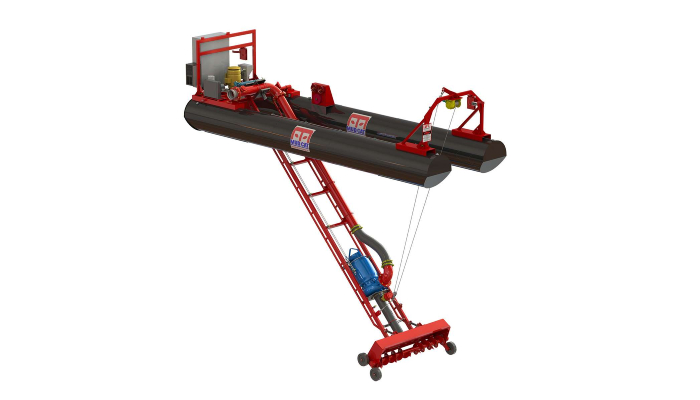
Electric dredges are revolutionizing the dredging industry by utilizing electric motors, which significantly reduces reliance on fossil fuels while improving performance. The benefits of these innovative machines are impressive: they not only cut greenhouse gas emissions but also deliver consistent power, leading to enhanced operational efficiency. Reduced noise pollution is another key advantage, allowing for less disruption to nearby ecosystems and communities. Recent advancements in battery technology and automation are driving this shift forward, making electric dredges a viable option even when initial investment costs can be daunting. By focusing on maintenance, operator training, and optimized plans, stakeholders can truly harness the power of electric dredging for a more sustainable future.
1. Overview of Electric Dredges
Electric dredge represent a significant advancement in dredging technology, utilizing electrical energy instead of traditional fossil fuels. This shift not only enhances operational efficiency but also aligns with global efforts to reduce pollution. These dredges are versatile, designed for various applications such as dredging rivers, lakes, and ports, and they can handle different sediment types and water depths. Equipped with advanced technology, electric dredges offer real-time monitoring and control, making it easier to manage projects effectively. Their lower emissions make them a cleaner choice, appealing to environmentally conscious clients and supporting eco-friendly dredging practices. Additionally, electric dredges can operate in sensitive marine areas with minimal impact on local ecosystems, which is crucial for maintaining biodiversity. Their compact design allows for easier navigation in tight spaces, making them suitable for a range of projects, particularly in regions with strict environmental regulations. As industries increasingly prioritize sustainability, electric dredges are becoming the preferred option for many dredging operations.
2. Benefits of Electric Dredges
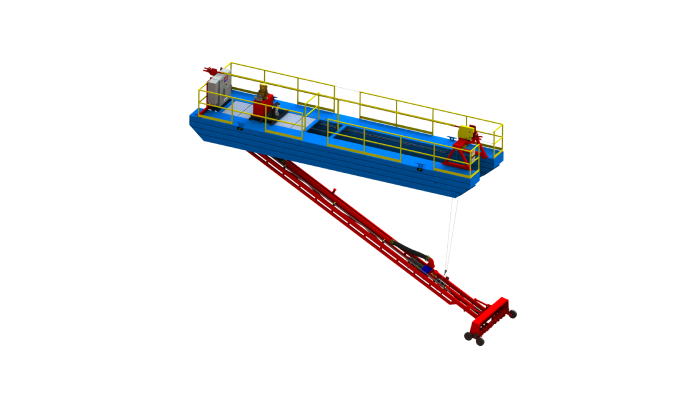
Electric dredges are game-changers in the dredging industry, offering a multitude of advantages that enhance operational efficiency and environmental sustainability. One of the most significant benefits is their reduced environmental impact. Unlike traditional diesel-powered dredges, electric dredges emit far fewer pollutants, which promotes cleaner waterways and helps meet sustainability goals. This cleaner operation not only aids in preserving aquatic ecosystems but also resonates with community values, enhancing a company’s reputation as a leader in sustainable practices.
Operational efficiency is another area where electric dredges shine. Their electric motors provide consistent torque, allowing for improved dredging performance. This means they can operate longer without the need for refueling, significantly increasing productivity. Additionally, the quieter operation of electric dredges minimizes noise pollution, which is beneficial for wildlife and nearby communities. This is particularly important in sensitive environments where loud machinery can disrupt local fauna and disturb residents.
On the financial side, electric dredges often lead to lower operating costs. With fewer moving parts, these machines require less maintenance, translating to fewer costly repairs over time. The ability to integrate with renewable energy sources like solar or wind can further reduce energy costs, resulting in substantial long-term savings. Moreover, companies using electric dredges may qualify for government incentives or grants focused on promoting sustainability, making the transition even more financially appealing. This predictable operation reduces the risk of unexpected downtime, ensuring projects stay on schedule.
3. Recent Trends in Electric Dredging Technology
Recent advancements in electric dredging technology are truly exciting. New battery technologies, especially solid-state batteries, are taking dredge performance to the next level by providing greater energy density and longer operational times. Meanwhile, hybrid dredging systems are gaining traction, allowing operators to switch between electric and traditional fuels for maximum efficiency based on the project’s needs.
Automation is becoming more prevalent, which not only boosts productivity but also enhances safety during operations. With the incorporation of remote operation capabilities, dredge operators can manage complex projects from afar, reducing the need for on-site personnel. This shift is complemented by the integration of artificial intelligence, which is optimizing dredging routes and minimizing environmental impact.
Smart sensors are also playing a pivotal role, providing real-time data that helps operators make informed decisions on the fly. Advanced software is streamlining dredge design, making these machines more efficient than ever before. The collaboration between technology companies and dredging firms is driving innovation at a rapid pace, leading to sustainability-focused designs that prioritize environmental health. Additionally, the integration of IoT technology allows for better monitoring and maintenance scheduling, ensuring that dredges operate at peak efficiency.
4. Key Statistics on Electric Dredges
Electric dredges are making waves in the dredging industry, with impressive statistics that highlight their efficiency and potential. For starters, these innovative machines can cut fuel consumption by up to 50% compared to traditional diesel models, which is a significant reduction that translates into cost savings. Over five years, companies using electric dredges can expect to save around 30% on operational costs, making them not only environmentally friendly but also economically wise.
The electric dredging market is projected to surge, reaching $1 billion by 2028, as around 70% of dredging projects now consider electric options. This growth is fueled by increasing awareness of the environmental impact of dredging, with electric dredges reportedly reducing noise pollution by an impressive 40 decibels, creating a quieter working environment that benefits both aquatic ecosystems and nearby communities.
Operational uptime is another remarkable advantage, with electric dredges boasting a 25% increase compared to their diesel counterparts. The demand for these electric machines has grown by 15% annually over the last three years, reflecting a shift in industry trends towards sustainability. Remarkably, electric dredges can operate efficiently in a wide range of temperatures, from -20 to 40 degrees Celsius, showcasing their versatility across different environments.
Moreover, studies indicate that electric dredging can decrease the impact on water quality assessments by 20%, a significant benefit for projects focused on environmental conservation. With an average lifespan of 15 to 20 years when properly maintained, electric dredges offer a long-term solution for dredging needs, making them a smart investment for the future.
5. Efficiency Improvement Strategies
To truly harness the power of electric dredges, implementing a set of efficiency improvement strategies is crucial. First, establishing a proactive maintenance schedule can significantly extend the lifespan of your dredging equipment, preventing costly breakdowns. Regular check-ups and timely repairs ensure that everything runs smoothly, keeping projects on track. Next, optimizing dredging techniques can lead to quicker project completions. By analyzing sediment types and adjusting methods accordingly, operators can work more effectively.
Integrating real-time data analytics into operations allows for immediate adjustments that enhance efficiency. These insights can identify when a dredge is underperforming and prompt swift action to rectify issues. Additionally, incorporating feedback loops from operators can create a culture of continuous improvement. Their hands-on experience offers valuable perspectives that can refine processes. Setting clear performance metrics is also vital; this enables teams to pinpoint specific areas needing enhancement, driving overall productivity.
Transitioning to energy-efficient components can greatly lower power consumption, translating to lower operational costs. Regular training sessions for staff on the latest techniques and technologies keep everyone informed and engaged, fostering a skilled workforce. Furthermore, utilizing energy recovery systems can capture and repurpose excess energy, making operations even more sustainable. Collaborating with experts in the field can provide fresh insights into emerging efficiency technologies, ensuring you remain ahead of the curve. Finally, conducting post-project reviews can illuminate successes while identifying growth opportunities, helping to refine future projects.
- Implementing a proactive maintenance schedule can extend the life of electric dredges.
- Optimizing dredging techniques can lead to faster project completion times.
- Using real-time data analytics helps in making immediate adjustments for efficiency.
- Incorporating feedback loops from operators can improve ongoing operations.
- Setting clear performance metrics allows teams to identify areas for improvement.
- Transitioning to energy-efficient components can significantly lower power consumption.
- Regular updates and training sessions keep staff informed on the latest techniques.
- Utilizing energy recovery systems can harness excess energy for other operations.
- Collaborating with experts can provide insights into new efficiency technologies.
- Conducting post-project reviews can highlight successes and areas for growth.
6. Case Studies and Real-World Examples
Electric dredging is not just a theory; it has proven its worth in various real-world applications. For instance, a coastal city in California transitioned from diesel to electric dredges, achieving an impressive 50% reduction in emissions. This shift not only supports environmental goals but also showcases how cities can lead the way in sustainability.
In another case, a construction firm reported that projects utilizing electric dredges were completed 30% faster compared to traditional methods. This efficiency boost not only accelerates timelines but also enhances overall productivity. Additionally, a marine conservation project saw significant improvements in aquatic health after switching to electric dredging, highlighting the environmental benefits of using cleaner technology.
Port authorities are also reaping the rewards. One reported a 20% decrease in operational costs after adopting electric dredging technology. Such cost savings can be a game changer for public agencies, allowing funds to be redirected towards other critical projects. Similarly, a river restoration initiative showcased the effectiveness of electric dredges in sensitive environments, proving that ecological integrity and operational efficiency can coexist.
Noise pollution is another important aspect. A coastal town found that electric dredges significantly reduced noise levels during operations, benefiting both marine life and nearby residents. In a major harbor project, an electric dredge saved both time and costs, demonstrating the practical advantages of this technology in busy shipping lanes.
Furthermore, an environmental group documented improvements in local fish populations after the implementation of electric dredging, underscoring the positive impact on ecosystems. One private company even experienced a 35% increase in project bids after investing in electric dredges, showcasing the competitive edge that comes with embracing sustainable practices. These examples illustrate a clear trend: transitioning to electric dredging can lead to significant operational improvements, environmental benefits, and economic advantages.
7. Challenges and Considerations
Initial costs can pose a significant barrier when considering electric dredges. Companies need to plan their budgets carefully, as the upfront investment for electric equipment and necessary infrastructure might be higher than traditional options. Additionally, the availability of charging stations can limit operational flexibility, particularly in remote or less developed areas where power sources may not be reliable. This can impact project timelines and overall efficiency.
Training staff on new electric technology is another consideration. While the benefits of electric dredges are compelling, ensuring that operators are familiar with the technology may require additional resources, both in terms of time and finances. Moreover, electric dredges may face limitations in extreme weather conditions, which could affect their performance and safety.
Before making a purchase, assessing compatibility with existing infrastructure is vital. Organizations must ensure that their current systems can support the new technology, which can involve extra costs and modifications. Furthermore, since electric dredging technology is still evolving, there may be uncertainties regarding long-term performance and reliability.
Regulatory hurdles can also vary by region, impacting project timelines and compliance efforts. Electric dredges may not yet be suitable for all dredging applications, so a thorough evaluation of specific project needs is essential. The presence of backup systems in case of power failure can complicate operations, as companies must prepare for contingencies in case of unexpected downtime.
Finally, gaining stakeholder buy-in is crucial for the successful implementation of electric dredging. Engaging with all stakeholders early in the process can help address concerns and foster support, ensuring a smoother transition to this innovative technology.
8. Future Outlook for Electric Dredges
The future of electric dredges looks promising and exciting, driven by a growing commitment to greener technologies. As environmental concerns mount, the push for electric dredges will only gain momentum. Innovations in power storage technology are on the horizon, potentially extending operational ranges and making electric dredges even more versatile. We can also expect to see the emergence of standardized practices in the industry, which will help streamline operations and enhance efficiency.
Research into new materials is underway, aiming to boost the durability and longevity of electric dredges, making them an even more attractive option for operators. Partnerships between governments and private sectors are likely to result in increased funding for electric dredging projects, spurring growth and innovation. Consumer demand for sustainable practices will further shape market dynamics, compelling companies to adopt electric dredging solutions.
Technological advancements may lead to more compact and efficient designs, making electric dredges easier to operate in various environments. With a strong focus on reducing carbon footprints, we can anticipate that future dredging regulations will prioritize eco-friendly practices, further solidifying the role of electric dredges in the industry.
Increased collaboration among industry players is expected to drive faster advancements, accelerating the transition to electric dredging. We may also see a blend of electric and renewable energy sources powering dredging operations, enhancing sustainability efforts while meeting operational needs. Overall, the outlook for electric dredges is bright, paving the way for a more efficient and environmentally friendly future in dredging.