
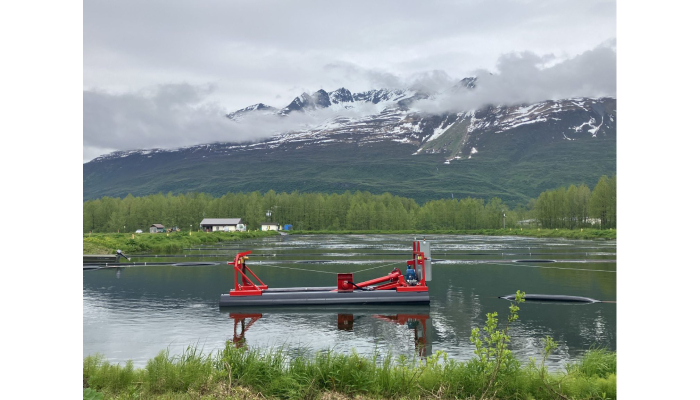
Improving efficiency in wastewater dredging can significantly enhance productivity and reduce costs. First, understanding key factors like operational time is essential; minimizing downtime due to equipment changes or obstructions can boost output dramatically. Additionally, increasing mud water flow rates through better pipeline arrangements and regular maintenance helps optimize performance. The use of booster pumps should not be overlooked, as they maintain slurry velocity over long distances, leading to higher production rates. Moreover, automating dredging operations effectively cuts labor costs and enhances control. Regular maintenance of all equipment and staff training on best practices ensures smooth operations for improved efficiency across the board.
1. Understanding Dredging Efficiency Factors
To improve efficiency in wastewater dredge, it is essential to understand the various factors affecting operational performance. First, operational time hinges on equipment reliability and staff productivity. Dredging can only be effective when downtime is minimized. Effective scheduling can help ensure that dredging hours are maximized, allowing projects to progress smoothly and on time. Identifying and eliminating bottlenecks in the process is crucial, as these slowdowns can drastically impact overall efficiency.
The selection of the right dredging equipment tailored for specific tasks is another vital factor. Using the appropriate tools can significantly enhance performance and reduce the time spent on each task. Weather conditions also play a pivotal role; planning for adverse weather ensures that operations can continue without unexpected interruptions. Regular training for crew members is essential, as it empowers them to respond swiftly to any issues that arise during dredging operations.
Moreover, analyzing historical data provides invaluable insights for making informed decisions about future projects. Implementing real-time monitoring systems can further enhance operational efficiency by delivering immediate feedback on performance. Finally, adopting best practices from successful dredging projects can inform and refine strategies, paving the way for enhanced efficiency in future endeavors.
 2. Enhancing Operational Time in Dredging
 2. Enhancing Operational Time in Dredging
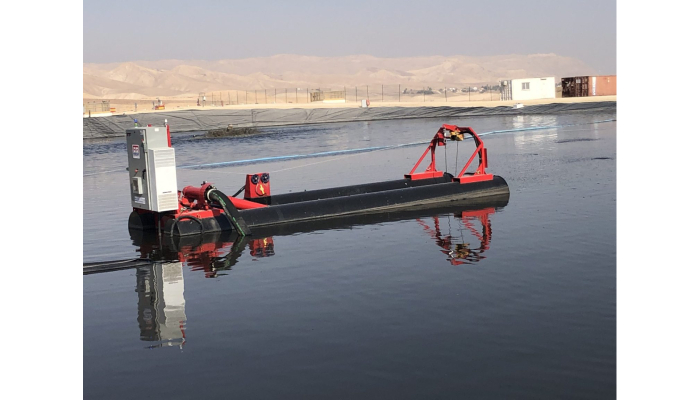
Maximizing operational time in dredging is key to boosting efficiency. One effective strategy is to schedule maintenance during off-peak hours, which helps minimize interruptions and keep the dredging process flowing smoothly. By utilizing mobile technology for remote monitoring, operators can manage operations more effectively, ensuring that everything runs like a well-oiled machine. A proactive maintenance schedule is vital as it reduces unexpected breakdowns, allowing for uninterrupted productivity.
Training crews to handle multiple tasks adds a layer of flexibility, enabling them to adapt to changing situations quickly. Implementing a standardized checklist before operations ensures that all equipment is ready and reduces the chances of delays. Clear communication protocols among team members enhance coordination, allowing for a seamless workflow.
Moreover, employing project management software can streamline the planning and execution of dredging tasks, making the entire process more efficient. Conducting regular performance reviews helps identify areas for improvement, paving the way for continual enhancement of operational efficiency. By incorporating feedback from crews, innovative solutions can emerge, addressing operational challenges and fostering a culture of collaboration and improvement.
3. Importance of Mud Water Flow Rate
Mud water flow rate is crucial for maximizing dredging efficiency and minimizing costs. Higher flow rates enhance dredging output significantly, allowing for faster removal of sediment. To achieve this, using larger diameter pipes can drastically improve water flow rates while also reducing friction loss, which is key to maintaining momentum through the system. Additionally, controlling the viscosity of the slurry can further enhance flow rates, making it easier for the mixture to travel through the pipelines.
Regular maintenance is vital, keeping pipes clean and free of blockages ensures consistent flow rates, preventing costly downtime. Implementing flow meters can provide real-time monitoring, allowing operators to optimize mud water flow effectively. Adjusting pump speed based on dredging conditions is another strategy; it ensures the desired flow rate is met regardless of the challenges faced.
Strategically positioning discharge points to minimize flow distance can also contribute to greater efficiency, as shorter distances reduce energy consumption and improve overall productivity. Experimenting with different types of pumps may yield better flow rates under various conditions, offering opportunities to maximize performance. Lastly, incorporating variable frequency drives allows for optimizing energy consumption while maintaining desired flow rates, ensuring that operations remain efficient and cost-effective.
4. Optimizing Mud Concentration for Better Output
Finding the right balance of mud concentration can dramatically maximize dredging output. This involves using sedimentation tanks to achieve optimal mud concentration before pumping, ensuring that the mixture is just right for efficient dredging. It’s crucial to adjust the pump’s operation based on the mud density, as this can enhance efficiency significantly. For specific tasks, utilizing additives can improve mud properties and concentration, making the dredging process smoother and more effective.
Regular testing of mud samples is vital to ensure optimal concentration is maintained throughout operations, preventing unexpected downtime. Different dredging techniques should be employed for varying mud types, as this can lead to increased overall efficiency. Advanced sensors can monitor mud concentration in real-time, allowing for immediate adjustments to be made when necessary. Engaging in pre-dredging surveys provides valuable data on mud density and concentration, which can inform operational strategies. Moreover, training crews to identify and adjust for varying mud conditions can greatly improve operational outcomes, ensuring that every dredging session is as productive as possible.
5. Utilizing Booster Pumps for Improved Performance
Booster pumps play a crucial role in enhancing the efficiency of wastewater dredging operations. By facilitating the transport of slurry over long distances, these pumps maintain optimal slurry velocity, which is vital for maximizing production rates. When dredges operate far from the discharge point, booster pumps prevent the primary pumps from working harder than necessary, thereby extending their lifespan and reducing maintenance costs.
Selecting the right size of booster pump is essential to ensure peak performance. An appropriately sized pump can significantly reduce pressure loss in the pipeline, allowing for smoother operation. Regular maintenance of these pumps is equally important, as it ensures they function at their best, preventing unexpected breakdowns and costly downtimes.
For large projects, employing multiple booster pumps in tandem can substantially increase output. This not only enhances efficiency but also provides redundancy; if one pump fails, others can take over, minimizing disruption. Automating booster pump operations allows for real-time adjustments based on changing conditions, optimizing performance and resource management.
Strategically positioning booster pumps along the pipeline can further help minimize pressure loss and enhance overall efficiency. Additionally, training personnel on the operation and maintenance of booster pumps leads to better management and utilization of these resources, ultimately boosting productivity in wastewater dredging.
6. Strategic Placement and Automation of Booster Pumps
Strategically placing booster pumps can significantly elevate the efficiency of wastewater dredging operations. By analyzing pipeline layouts, you can pinpoint the optimal locations for these pumps, ensuring they effectively counteract friction and elevation challenges. This thoughtful placement not only enhances performance but also helps maintain slurry velocity over longer distances, which is crucial when dredges are positioned far from discharge points.
Incorporating automation technology into your booster pump operations can streamline processes and reduce labor costs. Automated systems allow for real-time monitoring and adjustment based on current conditions, enabling operators to engage or disengage pumps as needed. Utilizing real-time data ensures that decisions regarding pump deployment are informed and timely, enhancing overall operational efficiency.
Regularly reviewing pump placements is essential, as project requirements can shift over time. A flexible strategy that accommodates changes can lead to better outcomes and higher productivity. For instance, if conditions dictate a change in flow rate, being able to quickly adapt by adjusting pump locations can make all the difference.
Integrating booster pump systems with existing dredging equipment maximizes efficiency. When these systems work in harmony, the entire dredging operation benefits, leading to smoother workflows and less downtime. Additionally, features like remote control options provide operational flexibility and enhance safety, allowing for seamless management of multiple pumps from a distance. Investing in such automation can yield substantial long-term savings in labor costs, proving that smart technology choices pay off.
7. The Role of Automation in Dredging Operations
Automation is transforming dredging operations in exciting ways. By minimizing human error, automated systems lead to more consistent results, which is essential for maintaining high efficiency. With the ability to remotely monitor operations, crews can manage dredging from a distance, allowing them to respond swiftly to any issues that arise. Automated alerts play a crucial role too, notifying teams about equipment malfunctions before they escalate into costly problems.
Not only does automation reduce labor costs over time, but it also frees up crews to focus on complex challenges instead of repetitive tasks. For instance, using drones for monitoring enhances operational oversight and safety, making it easier to spot potential hazards. Moreover, automated dredging systems can adapt in real time to changing sediment conditions, ensuring optimal performance regardless of the environment.
Investing in automation technology often yields high returns, as it boosts efficiency and productivity. Data analytics from these systems provide valuable insights for future projects, allowing operators to refine their strategies and improve outcomes. Overall, the integration of automation in dredging operations is not just a trend; it’s a powerful tool that drives efficiency and effectiveness in wastewater management.
8. Key Technological Features for Automation
The future of wastewater dredging is bright, thanks to innovative technological features that enhance automation. Advanced sensors now provide real-time data on crucial dredging parameters, allowing operators to make informed decisions on the fly. With GPS technology, dredging sites can be mapped and surveyed with incredible accuracy, ensuring that every inch is accounted for. Automated control systems are game-changers, as they can adjust equipment settings automatically, optimizing performance without constant manual input. Machine learning algorithms analyze historical data, paving the way for smarter dredging strategies that can improve efficiency over time. Remote access capabilities mean that operators can oversee dredging operations from afar, reducing the need for on-site personnel and enabling quicker response times. Integration with cloud-based platforms makes data management seamless, facilitating easy sharing among team members and stakeholders. Telematics take monitoring to the next level, giving insights into equipment conditions and performance from anywhere. User-friendly interfaces simplify the operation of these automated systems, making it easier for teams to adapt. Investing in scalable technologies ensures that operations can grow and evolve with future dredging needs, keeping efficiency at the forefront.
9. Best Practices for Efficient Dredging Operations
To enhance efficiency in wastewater dredging, implementing a comprehensive operational plan is essential. This plan should outline every step of the process, which can significantly streamline operations. Regular training sessions for the crew ensure that everyone is familiar with the latest best practices, enhancing overall performance. Establishing a feedback loop allows teams to share insights and improve operations continually. Analyzing past project outcomes is invaluable for refining future practices, making it crucial to gather and assess data consistently.
Utilizing checklists can help ensure that all operational steps are followed without fail, reducing the chance of errors. Engaging stakeholders early in the planning process can lead to smoother project execution and better outcomes, as their insights can address potential challenges head-on. Moreover, employing environmental monitoring is vital for maintaining regulatory compliance, protecting both the environment and the project’s integrity.
Effective communication and coordination among teams can be significantly improved by using project management tools. These tools help keep everyone on the same page, facilitating quicker decision-making and problem-solving. Finally, prioritizing safety protocols is non-negotiable; it protects personnel and equipment, ensuring that operations run smoothly and efficiently. By adhering to these best practices, dredging operations can achieve remarkable improvements in both efficiency and effectiveness.
10. Importance of Regular Maintenance in Dredging
Regular maintenance is the backbone of efficient dredging operations. By conducting regular inspections of equipment, you can catch potential failures before they become costly issues. Having a maintenance schedule in place ensures that all components are kept in top working condition, minimizing downtime and maximizing productivity. Training staff on maintenance procedures is crucial; when your team knows how to address problems quickly, it leads to smoother operations.
Using high-quality parts during maintenance can significantly extend the lifespan of your equipment, saving you money in the long run. Keeping detailed documentation of maintenance activities allows you to track equipment performance over time, which is invaluable for future planning. Performance reviews can help identify machinery that may need upgrades or replacements, ensuring that you’re always operating at peak efficiency.
Investing in maintenance training for your crews not only enhances their skills but also contributes to better operational outcomes. Utilizing maintenance management software can streamline scheduling and tracking, making your processes more efficient. Ultimately, regular maintenance not only boosts efficiency but also enhances safety on-site, creating a better working environment for everyone involved.