
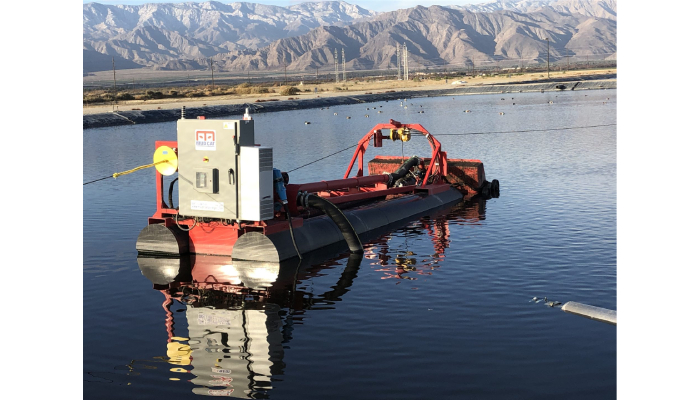
Improving efficiency in wastewater dredging can significantly enhance operations and productivity. First, understanding the factors affecting dredging efficiency is vital. This includes minimizing downtime through effective scheduling of maintenance during off-peak hours and training crews regularly for better adaptability. Identifying bottlenecks in the process helps maintain smooth workflows, while choosing the right equipment tailored to specific tasks boosts performance dramatically. Higher mud water flow rates can also increase output, so using larger diameter pipes is beneficial. Moreover, utilizing automation technologies streamlines and optimizes processes. Embracing innovative tools and sustainable practices not only raises productivity but ensures environmental compliance, ultimately benefitting everyone involved.
1. Understanding Dredging Efficiency Factors
To truly enhance wastewater dredge efficiency, it is vital to grasp the various factors that influence the process. First and foremost is operational time; the reliability of your equipment and the productivity of your crew are essential. When equipment operates smoothly and your team is well-coordinated, you can minimize downtime and maximize output. Scheduling maintenance during off-peak hours can significantly contribute to this goal.
Identifying and eliminating bottlenecks in the dredging process is another crucial step. If any part of your operation slows down, it can create delays that ripple through the entire project. For instance, if a specific piece of equipment consistently fails or underperforms, addressing that issue head-on can lead to remarkable improvements in efficiency.
The right equipment selection is equally important. Tailoring your dredging tools to the specific tasks at hand can dramatically boost performance. For example, using high-performance pumps can enhance material transport and reduce energy consumption.
Establishing clear performance metrics also plays a vital role in measuring efficiency. By tracking these metrics, you can pinpoint areas that need improvement and make informed decisions about where to allocate resources. Furthermore, the skill level of your crew should not be underestimated; ongoing training and development can elevate their capabilities, leading to smoother operations.
Weather conditions can also have a significant impact on dredging efficiency. Adverse weather can slow down processes, so planning around seasonal patterns is key. Additionally, keeping an eye on fuel consumption and optimizing routes can lead to cost reductions, ensuring that your operations remain not just efficient but also economical.
Lastly, clear communication among team members is fundamental for quick problem-solving and maintaining momentum in operations. When everyone is on the same page, it creates an environment ripe for efficiency. Utilizing data analytics to track performance can further enhance your operational strategies, allowing you to adapt and improve continuously.
- Operational Time: Reliability of equipment and staff productivity are crucial. Minimizing downtime through effective scheduling can greatly enhance operational efficiency (David’s Guide).
- Bottlenecks: Identifying and eliminating bottlenecks in the process is essential for maintaining high efficiency.
- Equipment Selection: Choosing the right dredging equipment tailored to specific tasks boosts performance significantly (David’s Guide).
- Performance Metrics: Establishing clear metrics to measure efficiency can help pinpoint areas for improvement.
- Crew Skill Levels: The experience and training of the crew directly impact the efficiency of dredging operations.
- Weather Conditions: Adverse weather can slow down operations; planning around seasonal weather patterns is vital.
- Fuel Efficiency: Monitoring fuel consumption and optimizing routes can lead to reduced operational costs.
- Load Management: Effectively managing the load can enhance both efficiency and safety during dredging.
- Communication: Clear communication among team members is essential for quick problem-solving and efficient operations.
- Data Analysis: Utilizing data analytics to track performance can help in making informed decisions for future operations.
2. Enhancing Operational Time for Dredging
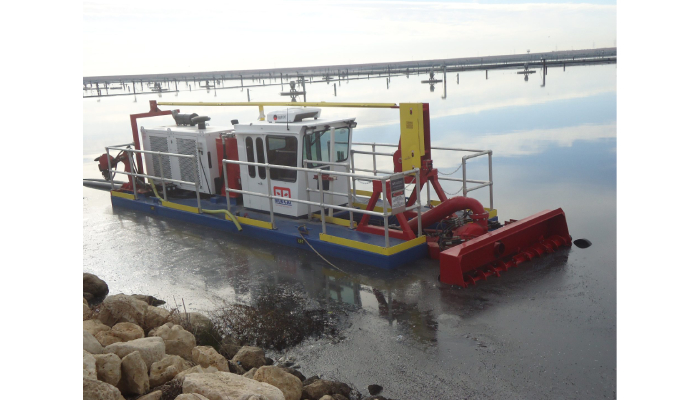
To boost operational time for dredging, effective maintenance scheduling is a game changer. By planning maintenance during off-peak hours, you can significantly reduce interruptions, keeping the dredging process moving smoothly. The integration of mobile technology plays a crucial role too. With remote monitoring, managers can keep an eye on operations in real time, making swift adjustments when necessary. Training is another vital element; regular sessions for crews ensure they stay sharp and ready to tackle unexpected challenges, enhancing overall productivity.
Streamlining processes is essential as well. By analyzing workflows, you can identify and eliminate unnecessary steps, speeding up operations. Implementing systems that provide real-time feedback to crews empowers them to make immediate adjustments, further increasing efficiency. Task delegation also matters; by clearly defining roles, you can minimize confusion and accelerate workflow, allowing crews to focus on their specific tasks.
Shift management is key to keeping your teams fresh and ready for action. Rotating shifts helps prevent fatigue, ensuring that crews remain alert and efficient. Additionally, effective inventory management can save valuable time; by keeping track of supplies and spare parts, you can avoid delays caused by shortages. Lastly, utilizing collaboration tools fosters better communication among teams, enhancing task management and overall operational efficiency. Time tracking tools are indispensable for monitoring the duration of tasks, allowing you to pinpoint areas needing improvement and ultimately boosting the dredging process.
3. Importance of Mud Water Flow Rate
The flow rate of mud water in dredging operations plays a crucial role in determining how efficiently sediment can be removed. Higher flow rates can significantly boost output, allowing for quicker sediment removal. For instance, using larger diameter pipes can enhance flow rates and minimize friction loss, leading to more effective dredging (David’s Guide). Regular maintenance is vital too; ensuring that pipes are clean and free from blockages is essential for maintaining consistent flow rates.
Moreover, implementing flow meters can provide real-time data, enabling operators to optimize their processes on the fly. This kind of monitoring helps to manage flow rates more efficiently, so adjustments can be made based on actual conditions. Adjustable valves also contribute by allowing for quick modifications to flow rates, enhancing operational flexibility.
Conducting hydraulic analysis can deepen the understanding of the mud’s properties, which in turn improves flow management. The configuration of pipes is another factor; an optimal setup can enhance flow and reduce energy consumption. Additionally, monitoring the temperature of the mud-water mix can influence flow rates, while managing the density of the slurry is key to adjusting flow rates effectively. Understanding pressure dynamics is also crucial, as it can lead to better optimization of the flow through the system. Finally, educating crews on the importance of flow rates can foster better operational practices, making the entire dredging process more efficient.
4. Utilizing Booster Pumps for Better Performance
Booster pumps play a vital role in improving the efficiency of wastewater dredging operations. By maintaining optimal slurry velocity over long distances, these pumps help enhance production rates significantly. When strategically placed throughout the dredging area, they can reduce energy consumption and improve overall workflow. Automation is another key feature, allowing for real-time adjustments based on changing conditions. This means that if the flow rate fluctuates, the system can adapt instantly, ensuring a smooth operation.
Choosing the right size for booster pumps is crucial. If they’re too small, they won’t effectively move the slurry, leading to delays and reduced efficiency. Conversely, oversized pumps can waste energy and may not operate at peak performance. Variable speed drives can also be implemented to adjust the pump speed based on demand, making operations more flexible and efficient.
Regular maintenance is essential to keep booster pumps running smoothly. This includes monitoring flow rates and keeping records of performance to catch potential issues early on. Training your crew on how to operate and maintain these pumps is just as important, as a well-trained staff can quickly respond to any operational challenges, further boosting efficiency. By incorporating energy recovery methods, you can even harness energy from the slurry itself, minimizing operational costs associated with these critical components.
5. Automation in Dredging Operations
Automation in dredging operations is a game changer, driving significant improvements in efficiency. With the ability to reduce energy consumption by up to 30%, automated systems streamline processes and cut down on human error, making operations smoother and more reliable, as highlighted by Lakeside Equipment. Imagine real-time monitoring systems constantly feeding data back to operators, allowing for quick adjustments that enhance operational efficiency. This means issues can be addressed instantly, preventing potential delays and ensuring everything runs like clockwork.
Quality control also sees a boost through automation. Automated systems help ensure that the water released after dredging meets strict regulatory standards, which is crucial for maintaining environmental compliance. Moreover, predictive maintenance features can forecast when equipment will need servicing, preventing costly downtime and keeping projects on schedule.
Integrating automated systems with existing technologies provides deeper operational insights, making it easier to spot trends and optimize processes. Remote operation capabilities not only enhance safety by reducing human presence in hazardous areas but also allow for greater flexibility in managing dredging activities. Additionally, automated reporting simplifies compliance and performance tracking, providing teams with valuable data at their fingertips.
Incorporating machine learning algorithms can further refine dredging operations, using historical data to improve efficiency and effectiveness over time. The user-friendly interfaces of these systems minimize training time, enabling crews to adapt quickly and focus on their tasks. The future of dredging is undoubtedly automated, and embracing these innovations will lead to safer, more efficient, and environmentally friendly operations.
6. Innovative Technologies in Dredging
Innovative technologies are transforming the dredging industry, making operations more efficient than ever. Smart equipment, for example, harnesses AI-driven automation and GPS guidance, allowing operators to achieve precision that significantly cuts operational costs. With real-time monitoring, teams can respond swiftly to any issues that arise on-site, ensuring smooth operations. High-performance pumps are another breakthrough, designed to enhance material transport while also conserving energy, leading to reduced environmental impact.
Drones are revolutionizing site surveying, offering aerial views that help in planning and monitoring dredging activities more effectively. The use of 3D modeling provides detailed visualizations of dredging areas, enabling better accuracy and reducing waste. Data analytics plays a crucial role as well, allowing operators to analyze operational data for informed decision-making, ultimately increasing efficiency.
Moreover, eco-friendly technologies are emerging, focusing on sustainable practices that minimize the ecological footprint of dredging projects. Robotic systems are being integrated to operate in challenging environments, enhancing both safety and efficiency. Modular equipment allows for easy upgrades and adaptability across various tasks, ensuring that operations can meet changing demands. Collaborating with technology companies can spark innovative solutions that push the boundaries of what is possible in dredging, paving the way for a more efficient and sustainable future.
7. Sustainability and Eco-Friendly Practices
Sustainability in dredging is more vital than ever, as new technologies emerge to reduce ecological disruption while enhancing water quality. For instance, sediment control systems minimize the negative impact on aquatic ecosystems, ensuring healthier waterways. The shift towards electric-powered dredges is also a game changer, significantly cutting carbon emissions and promoting a cleaner environment. Furthermore, effective waste management practices play a crucial role in minimizing the environmental footprint of dredging operations. Using biodegradable lubricants and other eco-friendly materials not only supports sustainability but also reflects a commitment to protecting our planet.
Engaging local communities in dredging projects can yield positive results, as their insights often lead to improved environmental practices. After dredging, rehabilitation techniques can restore ecosystems, ensuring that aquatic habitats thrive once again. Sourcing materials sustainably enhances the overall sustainability of dredging operations, aligning with a growing demand for responsible environmental stewardship. Regular water quality monitoring helps maintain compliance with environmental standards, further solidifying a dredging operation’s commitment to eco-friendly practices. Pursuing green certifications can elevate a company’s reputation, while partnerships with environmental organizations can drive collaboration on innovative solutions. All these strategies pave the way for a more sustainable future in dredging.
8. Regular Maintenance for Optimal Efficiency
Regular maintenance is the backbone of operational efficiency in wastewater dredging. Keeping detailed records of maintenance activities, as suggested in David’s Guide, not only helps track performance but also identifies areas where upgrades are necessary. Scheduling regular performance reviews is crucial, as it allows teams to pinpoint machinery that may require attention, ensuring that everything runs smoothly. Implementing a preventive maintenance schedule can significantly decrease the chances of unexpected breakdowns, which often lead to costly delays.
Maintaining an inventory of critical spare parts is another vital strategy. This practice can prevent downtime during repairs, allowing for quick fixes when equipment malfunctions. Additionally, training your team on proper maintenance procedures ensures tasks are performed efficiently and correctly. This training can empower staff to react swiftly to any issues that arise, enhancing overall productivity.
Condition monitoring through sensors is a game-changer, providing real-time insights into equipment health, allowing for timely maintenance interventions. Developing standard operating procedures for maintenance tasks further boosts efficiency, leading to consistent performance across the board. Establishing feedback loops for crew members to report on equipment performance can highlight maintenance needs that might otherwise go unnoticed.
Lastly, conducting annual audits of equipment not only helps in identifying areas for improvement but also ensures compliance with industry standards. Allocating a specific budget for maintenance activities guarantees that your equipment remains in top condition, paving the way for enhanced efficiency and productivity in dredging operations.