
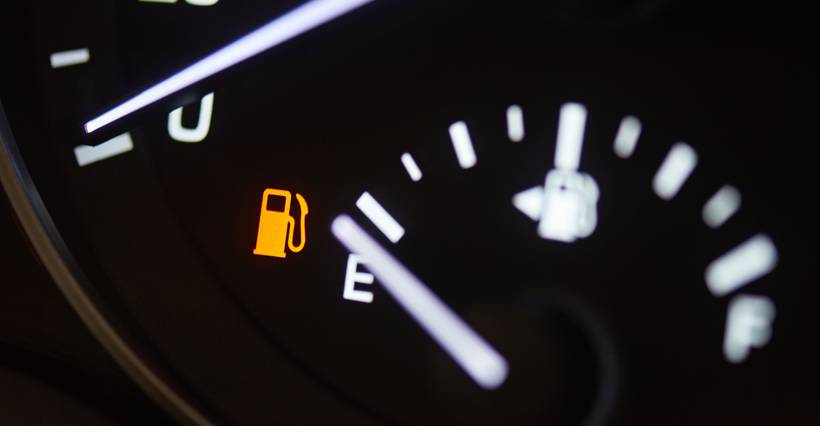
Owning an older car can be rewarding, but one common challenge many drivers face is poor gas mileage. As vehicles age, engine efficiency can decrease, parts wear down, and fuel consumption may rise. However, with some practical maintenance and smart driving habits, you can significantly improve the fuel efficiency of your older car and save money at the pump.
In this article, we’ll explore proven tips and tricks to boost gas mileage, from regular tune-ups to driving techniques. Plus, for those who drive older cars professionally or for rideshare services, pairing these fuel-saving strategies with safety tools like the Best Dash Cams for Uber and Lyft Drivers can optimize both your budget and security.
Why Gas Mileage Drops in Older Cars
Over time, several factors contribute to reduced fuel efficiency:
-
Engine components degrade, reducing combustion efficiency.
-
Sensors and fuel systems may become less responsive.
-
Tires and brakes may cause more drag due to wear.
-
Older technology lacks modern fuel-saving innovations.
-
Accumulation of dirt and grime impacts engine performance.
The good news? Many of these issues are fixable or manageable with routine care.
1. Keep Your Engine Tuned Up
Regular engine maintenance is crucial. Replacing spark plugs, air filters, and fuel filters ensures your engine runs smoothly and burns fuel efficiently.
-
Dirty spark plugs cause misfires and incomplete combustion.
-
A clogged air filter reduces airflow, forcing the engine to work harder.
-
Replacing fuel filters prevents contaminants from restricting fuel flow.
2. Use the Right Motor Oil
Older engines often benefit from high-mileage motor oil specially formulated with additives that reduce oil burn-off and improve sealing. Always use the oil grade recommended by your car’s manufacturer to optimize performance and fuel economy.
3. Maintain Proper Tire Pressure
Under-inflated tires increase rolling resistance, making your engine work harder and consume more fuel. Check tire pressure monthly and inflate to the manufacturer’s recommended levels, which can usually be found on the driver’s door jamb or owner’s manual.
4. Remove Excess Weight
Extra weight puts additional strain on your engine. Remove unnecessary items from your trunk or back seat, especially heavy tools, sports equipment, or other non-essential cargo. This simple step can improve mileage noticeably.
5. Avoid Excessive Idling and Aggressive Driving
Idling wastes fuel, so turn off your engine if you expect to be stopped for more than a minute. Also, smooth acceleration and braking reduce fuel consumption. Rapid starts and hard stops can lower your mileage by up to 33% on the highway.
6. Use Cruise Control When Possible
On highways and flat terrain, cruise control maintains a steady speed and can improve fuel efficiency. It prevents unnecessary acceleration and deceleration, helping you save fuel.
7. Check and Replace Oxygen Sensors
Oxygen sensors monitor your engine’s air-fuel mixture and adjust it for optimal combustion. Faulty sensors cause poor fuel economy and increased emissions. Most sensors last about 60,000 to 90,000 miles, so replacing them as needed can boost mileage.
8. Keep Your Fuel System Clean
Fuel injector cleaning can improve spray patterns and combustion efficiency. Many automotive shops offer fuel system cleaning services, or you can use fuel additives designed for this purpose.
9. Limit Use of Air Conditioning and Electrical Accessories
Air conditioning increases engine load and fuel consumption, especially at low speeds. Use A/C sparingly or open windows when driving slowly. Also, turn off unnecessary electrical accessories when possible to reduce the alternator’s demand on the engine.
10. Plan Efficient Routes and Combine Trips
Short trips with frequent stops use more fuel because the engine doesn’t have time to warm up fully. Combining errands into one trip and planning the most direct route reduces fuel waste.
Bonus: Safety and Efficiency for Rideshare Drivers
If you’re driving an older car for rideshare services like Uber or Lyft, improving gas mileage is key to maximizing earnings. At the same time, investing in reliable safety equipment such as the Best Dash Cams for Uber and Lyft Drivers protects you and your passengers, while potentially lowering insurance costs.
Conclusion
Improving gas mileage on older cars doesn’t require expensive upgrades or complicated modifications. With consistent maintenance, mindful driving habits, and some simple adjustments, you can extend the life of your vehicle, save money on fuel, and reduce your environmental footprint.
By pairing these fuel-saving tips with smart tools and practices, you’ll get the most out of your older car and enjoy a smoother, more efficient ride every time you hit the road.