
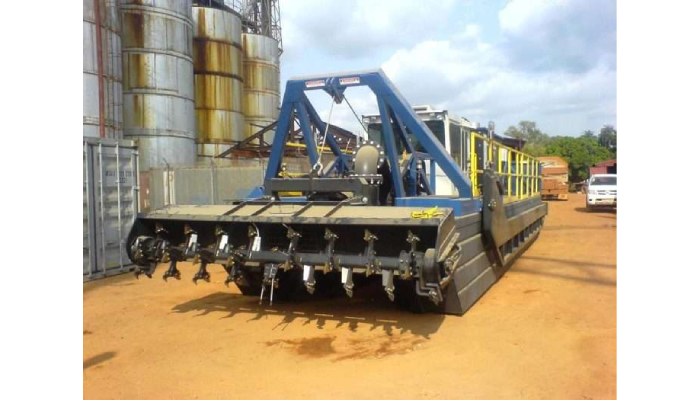
Improving mine tailings dredge efficiency is essential for modern mining practices. To start, understanding what mine tailings are and the environmental risks they pose is crucial, as improper management can lead to disasters. Innovations in technology play a significant role; for instance, decanter centrifuges enhance solid-liquid separation while promoting high water recovery rates, up to 70%. Additionally, Hydraulic Dewatered Stacking shows promise with water recoveries exceeding 80%. Regular equipment maintenance ensures operations run smoothly. Using data analytics further highlights inefficiencies and guides decisions for optimization. Focusing on these strategies creates a more sustainable and efficient approach to mining operations moving forward.
Understanding Mine Tailings and Their Risks
Mine tailings dredge are the leftover materials after extracting valuable minerals from ore, and they can pose significant environmental risks if not managed properly. Often containing heavy metals like arsenic, lead, and mercury, these tailings can leach into groundwater, threatening drinking water supplies and local ecosystems. Additionally, the process called acid mine drainage can occur, where sulfuric acid forms and can severely harm aquatic life if adequate management practices are not in place.
The physical integrity of tailings storage facilities is another critical concern, as failures can lead to catastrophic spills that endanger nearby communities and natural habitats. For instance, a tailings dam failure can release millions of gallons of toxic waste, drastically affecting the environment and human health. To mitigate these risks, innovative methods such as paste tailings are being explored. This technique reduces the footprint of tailings storage, allowing for safer management and less environmental impact.
Globally, regulatory frameworks are being developed to promote responsible tailings management, ensuring that mining operations minimize their ecological footprint. Community engagement is equally crucial; transparency in tailings management practices helps build trust among local stakeholders. Advanced modeling techniques can predict how tailings will behave under various conditions, improving the design and safety of storage facilities. Regular risk assessments are essential to adapt to changes in operations and environmental factors. Training personnel involved in tailings management fosters a culture of responsibility and safety, while collaboration with environmental groups can lead to the adoption of better practices and innovative solutions.
Technological Innovations in Dredging
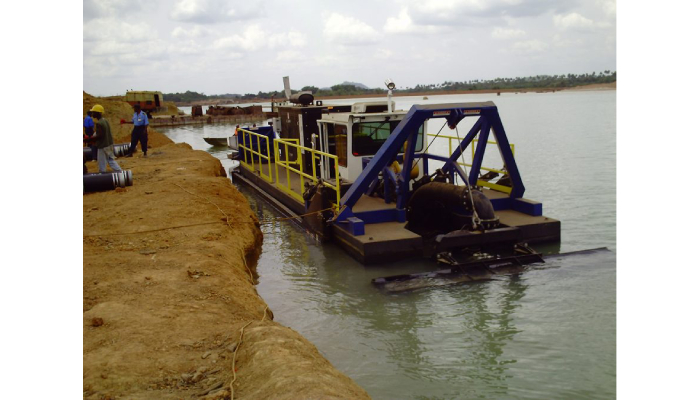
Innovations in dredging technology are transforming the efficiency of mine tailings operations. Automated dredging systems are being developed to enhance precision while reducing labor costs, leading to greater overall efficiency. Real-time monitoring systems, equipped with advanced sensors, provide crucial data on sediment composition, which allows operators to make immediate adjustments during dredging processes. This adaptability not only optimizes performance but also ensures resources are utilized effectively.
Advanced GPS technology plays a vital role in improving navigation. By ensuring that dredging occurs at the most optimal locations and depths, these systems minimize waste and enhance overall productivity. Meanwhile, drones are becoming increasingly popular for conducting aerial surveys of dredging sites. They provide valuable spatial data that can greatly assist in planning and analysis, paving the way for more informed decision-making.
The emergence of modular dredging systems adds another layer of flexibility to operations. These systems can be easily adapted for various project sizes and types, allowing companies to respond swiftly to changing demands. Additionally, robotic dredgers are being tested to operate in hazardous environments, significantly reducing the risks to human workers.
Smart dredging technology is another exciting innovation, capable of analyzing data to optimize dredging patterns. This not only improves efficiency but also helps to cut down costs. Research into innovative materials for dredging equipment is ongoing, aiming to enhance durability and minimize maintenance needs. Furthermore, eco-friendly dredging methods are being explored, focusing on reducing environmental impact and protecting aquatic habitats.
Collaboration with tech companies is crucial for driving breakthroughs in dredging technology. By staying in tune with technological advancements, the industry can continuously improve and adapt, ensuring that dredging operations remain efficient, safe, and environmentally responsible.
Best Maintenance Practices for Dredging Equipment
Developing a comprehensive maintenance plan is essential for ensuring the longevity and efficiency of dredging equipment. This plan should include daily, weekly, and monthly checks to keep everything running smoothly. Predictive maintenance techniques can be game-changers, allowing teams to spot potential failures before they occur, which cuts down on unexpected downtime. Equipping staff with training on the latest maintenance technologies enhances their capabilities and responsiveness to issues.
Implementing a computerized maintenance management system (CMMS) streamlines scheduling and record-keeping, making it easier to track what needs maintenance and when. Regular updates to maintenance procedures based on manufacturer recommendations and feedback from operations keep practices current and effective. An established inventory of spare parts is also vital, as it minimizes downtime caused by equipment failures due to unavailable parts.
Operator feedback is a goldmine for insights into equipment performance, helping to fine-tune operations and make necessary adjustments. Regular safety audits related to maintenance practices ensure compliance and reduce the risk of workplace accidents. Collaborating with equipment manufacturers for specialized training can boost maintenance effectiveness, while using high-quality lubricants and components helps reduce wear and tear, extending the operational life of the equipment.
Enhancing Operational Efficiency in Dredging
Improving operational efficiency in dredging is crucial for maximizing productivity and minimizing costs. Streamlining communication between teams can significantly enhance coordination and reduce delays during operations. When everyone is on the same page, tasks flow smoothly, and issues get resolved faster. Implementing lean management principles helps identify and eliminate waste in dredging processes, leading to noticeable cost savings. Regular training sessions on best practices keep teams informed and engaged, fostering a culture of continuous improvement.
Utilizing technology for project management offers real-time updates, allowing teams to make quick decisions and adjustments. For example, GPS technology can enhance navigation accuracy, reducing waste during dredging operations. Engaging in cross-training allows team members to understand multiple roles, increasing flexibility and responsiveness on the job site. Regularly reviewing operational metrics helps identify trends and areas for improvement, ensuring that efficiency is consistently enhanced.
Establishing performance benchmarks motivates teams by providing clear targets for operational efficiency. Simulation software can aid in planning dredging strategies, offering insights into optimal operations before execution. Collaboration with logistics teams can streamline material handling and transportation, ensuring timely delivery of resources. Additionally, investing in employee wellness programs boosts morale and productivity, which positively impacts overall operational efficiency.
Environmental Impact and Management Strategies
Implementing a comprehensive environmental management plan is essential to mitigate the impacts of dredging on local ecosystems. Regular environmental monitoring provides valuable data to assess the effectiveness of these management strategies, allowing for timely adjustments. Utilizing sediment control measures, such as silt curtains, greatly minimizes sediment transport and its effects on surrounding waters. Furthermore, developing partnerships with environmental organizations can enhance the credibility and effectiveness of these initiatives, fostering a collaborative approach to conservation.
Adopting sustainable dredging practices, including less invasive methods, is crucial for preserving aquatic habitats. Establishing a community feedback loop can involve locals in monitoring efforts, promoting transparency regarding environmental impacts. Investment in research for eco-friendly dredging technologies can lead to innovative solutions that significantly reduce environmental footprints. For instance, using biodegradable materials and lubricants in operations can lower the introduction of harmful substances into ecosystems.
Regularly updating stakeholders through environmental impact reports can build trust and ensure accountability. Incorporating biodiversity assessments into dredging plans is essential to protect sensitive species and habitats, ensuring that the balance between industry and nature is maintained.
Cost Management Techniques for Dredging
Cost management is a vital aspect of dredging operations, and several techniques can enhance efficiency while keeping expenses in check. Conducting regular financial audits can reveal inefficiencies, helping teams pinpoint areas where savings can be realized. Exploring alternative financing options, such as partnerships with private firms, can significantly lighten the financial load of projects. Additionally, utilizing software for cost estimation and budgeting improves accuracy, allowing for better financial planning and resource allocation.
Value engineering is another technique that can optimize project costs without compromising quality or performance. By analyzing functions and costs, teams can identify and implement more efficient alternatives. Investing in training staff on financial literacy equips them with the skills to spot cost-saving opportunities, making them more valuable assets to the organization.
Engaging in bulk purchasing for materials and equipment can lead to substantial cost reductions, as suppliers often provide discounts for larger orders. Regular evaluations of project timelines are essential, as identifying delays early can prevent extra costs from spiraling out of control. Collaboration with subcontractors and suppliers often yields better pricing, contributing to overall project efficiency.
Lastly, analyzing past projects for cost overruns provides valuable insights that can inform future budgeting and planning efforts. Regularly reviewing and updating financial strategies ensures they remain effective and relevant, adapting to the ever-changing market conditions.
Case Studies and Research on Dredging Efficiency
Documenting successful dredging projects offers a treasure trove of lessons and best practices for future operations. For example, a recent project in British Columbia showcased how integrating advanced technologies led to a remarkable increase in operational efficiency, proving that learning from the past can pave the way for future successes. Research into new technologies, such as the innovative Hydraulic Dewatered Stacking system, not only highlights their effectiveness but also encourages their wider adoption within the industry, leading to improved resource management and reduced environmental impacts.
Moreover, case studies that showcase the integration of environmental management strategies can demonstrate a balanced approach between efficiency and ecological concerns. Projects that prioritize community engagement initiatives underline the importance of stakeholder involvement, showing that successful dredging operations depend on the support and understanding of local communities.
On the flip side, analyzing failures in dredging projects can reveal critical insights, helping to avoid similar pitfalls in future operations. For instance, a study on a failed project revealed that lack of proper maintenance and oversight led to significant delays and increased costs. Such findings stress the necessity of collaboration with academic institutions, which can foster innovative research that drives advancements in dredging techniques and technologies.
Sharing findings through industry forums and conferences facilitates knowledge transfer and collaboration among stakeholders, allowing everyone to benefit from collective experiences. Additionally, publishing detailed reports on project outcomes contributes to a broader understanding of best practices in dredging. Utilizing data analytics can offer insights into the correlation between technology use and operational efficiency, making a compelling case for continued investment in research and innovation.
As the industry evolves, continuous research on emerging trends and technologies will be essential for maintaining competitiveness and being responsive to changing needs. Engaging with these studies not only improves operational efficiency but also ensures that the dredging industry remains sustainable and responsible.
Frequently Asked Questions
What are mine tailings dredges, and why are they important?
Mine tailings dredges are special machines used to remove leftover materials after mining. They are important because they help in recovering valuable minerals and keeping the environment clean by managing waste.
How can I tell if my dredge is working efficiently?
You can check your dredge’s efficiency by looking at how much material it processes compared to the energy it uses. If it’s dredging a lot with less fuel, that’s a sign of good efficiency.
What factors affect the efficiency of a mine tailings dredge?
Several factors can affect dredge efficiency, like the type of material being dredged, the speed of the dredge, and how well it’s maintained. The design of the dredge also plays a big role.
Are there any maintenance tips to improve dredge efficiency?
Yes, regular maintenance is key! Keeping the dredge clean, checking for wear and tear, and ensuring everything is properly lubricated can significantly improve its efficiency.
What technologies can help make dredges more efficient?
New technologies such as advanced monitoring systems, GPS, and automated controls can enhance dredge efficiency. These tools help track performance and make adjustments on the fly for optimal operation.