
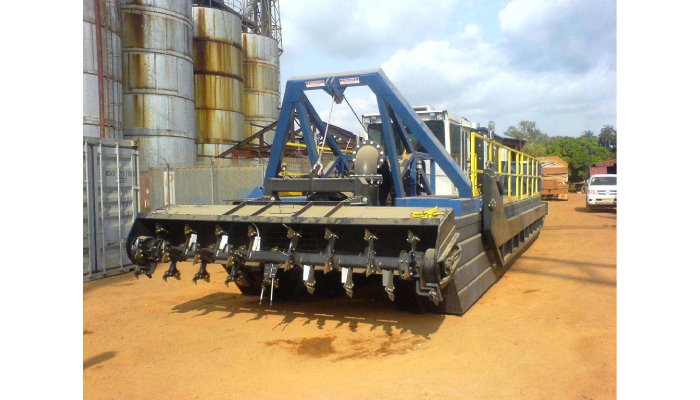
Improving the efficiency of mine tailings dredging is crucial for both productivity and environmental safety. Understanding the risks associated with mine tailings is the first step, as these leftover materials may contain harmful heavy metals. Technological innovations like automated dredging systems and real-time data monitoring can greatly enhance operational effectiveness. Regular maintenance practices, such as inspections, lubrications, and cleaning, help keep equipment running smoothly. Additionally, streamlining communication among teams and applying lean management principles can minimize delays. By implementing comprehensive environmental management strategies alongside cost management techniques, companies can boost efficiency while safeguarding our planet’s precious resources.
1. Understanding Mine Tailings and Their Risks
Mine tailings dredge are the remnants left over after valuable minerals are extracted from ore. These materials can differ significantly in composition, depending on the type of ore processed, leading to various environmental challenges. For instance, mine tailings may contain heavy metals like arsenic, lead, and mercury, which can be hazardous if not properly managed. Furthermore, the extraction process often involves toxic chemicals, such as cyanide or sulfuric acid, making careful monitoring essential to prevent contamination.
The management of tailings is not just a best practice but a legal requirement, governed by regulations that mandate regular reporting and remediation efforts. These regulations aim to safeguard local ecosystems and communities. Leaking tailings ponds can have dire consequences, potentially contaminating soil and waterways, which may affect agriculture and drinking water supplies for nearby residents.
Moreover, the long-term storage of tailings raises significant concerns regarding structural integrity and the risk of catastrophic failures. Such failures can lead to devastating environmental disasters, as seen in past incidents where tailings dams have collapsed, releasing toxic materials into the environment.
To mitigate these risks, innovative containment methods, such as using geotextiles and engineered barriers, are being explored to enhance the safety of tailings storage. Additionally, ongoing research into recycling and repurposing tailings is gaining traction, with the aim of finding sustainable uses for these materials, such as in construction. Tailings can also serve as a valuable source of secondary minerals that can be recovered through new technologies, effectively reducing waste.
Public perception plays a crucial role in mining operations, with the management of tailings significantly influencing community attitudes. Engaging with local communities about tailings management fosters trust and collaboration, leading to better outcomes for all stakeholders involved. By addressing these risks and implementing effective management strategies, the mining industry can work towards a more sustainable future.
2. Technological Innovations in Dredging
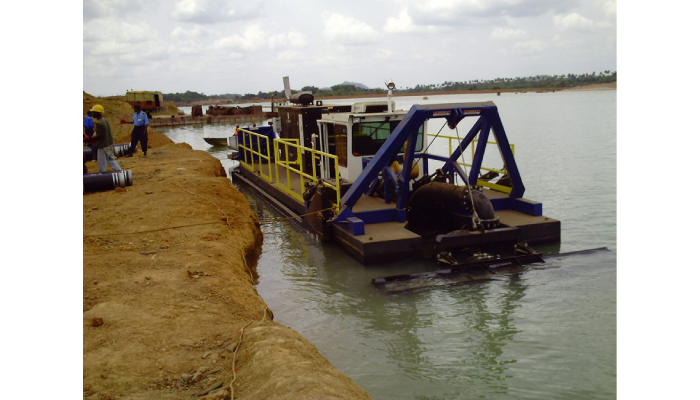
Dredging technology is advancing at a rapid pace, and these innovations are revolutionizing how we handle mine tailings. Drones equipped with cameras and sensors can conduct aerial surveys of dredging sites, enhancing planning and monitoring processes. Imagine having a bird’s-eye view that allows for precise adjustments and strategic decision-making. Furthermore, the use of advanced materials, like lightweight composites, is making dredging equipment more durable and efficient, ensuring that operations run smoothly even in tough conditions.
Artificial intelligence is also playing a crucial role, optimizing dredging routes and predicting maintenance needs. This means less downtime and more effective use of resources. At the same time, real-time environmental sensors can monitor water quality, instantly alerting teams to any contamination issues. This capability is essential for protecting local ecosystems and complying with regulations.
Hydraulic models are another exciting development, allowing operators to simulate sediment transport and understand the potential impacts of dredging on surrounding environments. Paired with 3D modeling tools, these technologies provide a virtual environment to visualize projects, making communication with stakeholders clearer and more effective.
Energy-efficient dredging technologies, such as hybrid power systems, are emerging to cut down on fuel consumption and reduce emissions. Meanwhile, geo-referenced mapping systems track progress accurately, ensuring compliance with environmental standards. Mobile apps are enhancing real-time communication among crew members, boosting coordination and response times. Additionally, bioremediation techniques are being explored to treat contaminated dredged materials, promoting environmental restoration alongside dredging operations. Each of these innovations not only drives efficiency but also paves the way for sustainable practices in the mining industry.
- Drones equipped with cameras and sensors can provide aerial surveys of dredging sites, improving planning and monitoring.
- Advanced materials, such as lightweight composites, are being used in dredging equipment to enhance durability and performance.
- Artificial intelligence is being integrated into dredging operations to optimize routes and predict maintenance needs, increasing efficiency.
- Environmental sensors can be deployed to monitor water quality in real-time, allowing for immediate action if contamination is detected.
- Hydraulic models simulate sediment transport, helping operators understand how dredging will affect surrounding environments and ecosystems.
- 3D modeling tools can visualize dredging projects in a virtual environment, aiding in stakeholder communication and planning.
- Energy-efficient dredging technologies, such as hybrid power systems, are emerging to reduce fuel consumption and emissions during operations.
- Geo-referenced mapping systems help track dredging progress and ensure compliance with environmental regulations.
- Mobile apps are being developed for real-time communication among crew members, enhancing coordination and response times.
- Bioremediation techniques are being explored to treat contaminated dredged materials, promoting environmental restoration alongside dredging activities.
3. Best Maintenance Practices for Dredging Equipment
To maximize the efficiency and longevity of dredging equipment, implementing best maintenance practices is crucial. Start by establishing a maintenance schedule that takes into account the equipment’s usage and the specific environmental conditions it operates in. This proactive approach not only enhances reliability but also extends the lifespan of the machinery. Condition monitoring technologies, like vibration analysis, can be a game changer, enabling teams to predict potential failures before they occur, thereby minimizing downtime and keeping operations running smoothly.
Creating a feedback loop where operators can report issues encountered during dredging can significantly improve maintenance strategies. This real-time input helps identify patterns that may not be obvious during scheduled inspections. Documenting all maintenance activities is essential for compliance and can reveal trends that require attention, allowing teams to stay ahead of problems.
Investing in training programs for operators is another vital practice. When operators are well-versed in proper equipment handling, user-induced wear and tear can be minimized, promoting better performance over time. Additionally, maintaining a spare parts inventory focused on critical components helps prevent delays during repairs, ensuring that operations can resume quickly.
Regular calibration of instruments is also key; accurate measurements are critical for effective dredging. Not only does this ensure optimal performance, but it also enhances safety. Utilizing digital platforms for maintenance records can streamline communication among team members, fostering transparency and collaboration. Incorporating advanced diagnostic tools allows for deeper insights into equipment performance, enabling teams to plan maintenance proactively rather than reactively.
Lastly, engaging with equipment manufacturers for guidance can lead to improved maintenance practices. Manufacturer support can provide insights into best practices and innovations in maintenance, ensuring that your equipment operates at peak efficiency.
4. Operational Efficiency Strategies
Establishing clear roles and responsibilities among crew members can significantly reduce confusion, allowing teams to enhance productivity on-site. When everyone knows their specific task, the workflow becomes smoother and more efficient. Adopting a just-in-time approach for supplies and equipment minimizes inventory costs while improving responsiveness to operational needs, ensuring that resources are available when required without excess waste. Utilizing project management software helps teams track progress, manage resources, and adhere to timelines effectively, offering a clear view of ongoing operations.
Regular team meetings are essential for improving communication and collaboration among crew members, ensuring that everyone remains aligned with the project’s goals. Implementing performance incentives can also motivate teams to maintain high productivity levels throughout the dredging project, creating a competitive yet supportive environment. Adjusting operational strategies based on real-time data can lead to immediate improvements in efficiency, allowing for quick responses to potential challenges.
Additionally, exploring alternative dredging techniques, such as environmental dredging, can achieve project goals while minimizing ecological impact, showing a commitment to sustainability. Benchmarking against industry standards can help identify areas for improvement, inspiring innovative practices that elevate operational performance. Creating a culture of continuous improvement encourages team members to propose ideas for enhancing operational efficiency, fostering an environment where everyone contributes to the overall success. Finally, establishing partnerships with other companies can facilitate knowledge exchange, leading to better operational practices that benefit all parties involved.
5. Environmental Impact and Management Strategies
Conducting environmental impact assessments before dredging begins is crucial for spotting potential risks. These assessments help identify the effects on local ecosystems, ensuring that any adverse impacts are recognized and addressed from the start. Involving stakeholders, such as local communities and environmental experts, during the planning phase encourages transparency and collaboration, which is essential for building trust and gaining support for the project.
During dredging activities, implementing sediment control measures like silt curtains can significantly protect aquatic habitats from sedimentation and pollution. Regular monitoring of ecosystems around dredging sites allows for the assessment of management strategies’ effectiveness and facilitates timely adjustments if issues arise.
Utilizing biodegradable materials in dredging operations is another innovative way to reduce ecological footprints, making the process more sustainable. Furthermore, creating restoration plans for areas affected post-dredging ensures that ecosystems have the opportunity to recover and thrive.
Incorporating green technology into dredging operations can minimize emissions and energy consumption, which aligns with broader sustainability goals. Developing contingency plans for potential spills or accidents is vital; these plans help mitigate environmental damage and ensure a rapid response to any incidents.
Collaborating with environmental scientists enhances understanding of local ecosystems, which fosters more effective management strategies. Lastly, educating crew members on environmental stewardship instills a sense of responsibility, promoting best practices and ensuring that everyone involved is committed to protecting the environment.
6. Cost Management Techniques
Cost management is crucial in improving mine tailings dredge efficiency. Analyzing historical project data helps identify cost patterns, guiding better budgeting decisions for future projects. Embracing technology in project management can streamline operations, cutting unnecessary expenses and enhancing overall cost efficiency. For example, leasing equipment instead of purchasing can significantly lower immediate costs, offering flexibility in operations.
Conducting competitive bidding for contracts is another smart approach, as it can lead to favorable pricing and better service agreements. Implementing value engineering principles enables teams to discover cost-saving opportunities without sacrificing quality or safety. Establishing a clear budget and regularly tracking expenditures keeps projects on track, preventing cost overruns and nurturing fiscal discipline.
Engaging in workforce planning ensures labor costs are optimized, aligning manpower with project demands. Exploring alternative materials and methods can further yield substantial savings throughout the project lifecycle. Regular financial reviews and audits can unveil hidden costs, fostering accountability within the project team. Lastly, promoting a culture of cost awareness among team members encourages mindful spending and efficient resource management.
Frequently Asked Questions
What are mine tailings and why do we need to manage them?
Mine tailings are the waste materials left over after mining for minerals. Proper management is crucial because they can harm the environment if not handled correctly, and improving dredge efficiency helps reduce waste and cut costs.
How can I tell if my dredge is working efficiently?
You can check your dredge’s efficiency by measuring how much tailings it processes compared to how much waste it leaves behind. Higher processing rates and lower waste means better efficiency.
What factors influence the efficiency of a mine tailings dredge?
Several factors can impact dredge efficiency, including the dredge design, operator skill, equipment maintenance, and the type of materials being processed. Understanding these can help optimize performance.
Are there any technologies that can help improve dredging efficiency?
Yes, technologies like automated monitoring systems, advanced dredge designs, and improved propulsion systems can enhance dredging efficiency by providing better data and more effective movement through the materials.
How important is operator training for improving dredge efficiency?
Operator training is very important because skilled operators can maximize equipment use, respond to unexpected challenges better, and generally run the dredge more effectively, leading to improved efficiency.