
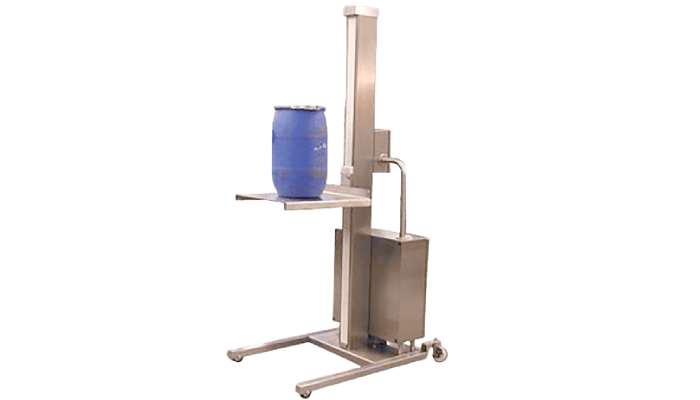
Handling bulk materials—such as coal, grains, ores, chemicals, or construction aggregates—requires heavy-duty systems designed for efficiency, productivity, and most importantly, safety. Bulk material handling equipment like conveyors, hoppers, stackers, reclaimers, silos, and bucket elevators are essential in industries such as mining, agriculture, construction, and manufacturing.
While these machines improve operational efficiency, they also pose potential risks if not used and maintained properly. Injuries, equipment breakdowns, and material spills are common hazards. That’s why companies need to adopt best practices to enhance workplace safety.
This article explores practical strategies for improving safety with bulk material handling equipment, covering design considerations, operator training, regular maintenance, and more.
1. Understanding Bulk Material Handling Equipment
Before addressing safety measures, it’s important to understand what bulk material handling equipment includes. These machines are designed to move, store, process, or control bulk materials in large quantities. Common examples include:
- Conveyors: Belt or screw conveyors for transporting materials.
- Bucket Elevators: Used to vertically lift materials.
- Hoppers and Silos: For storage and controlled discharge.
- Stackers and Reclaimers: For material piling and recovery.
- Feeders: To regulate the flow of materials into a process.
Each equipment type presents unique hazards, from pinch points in conveyors to dust explosions in silos. Recognizing these risks is the first step toward safety.
2. Prioritizing Equipment Design for Safety
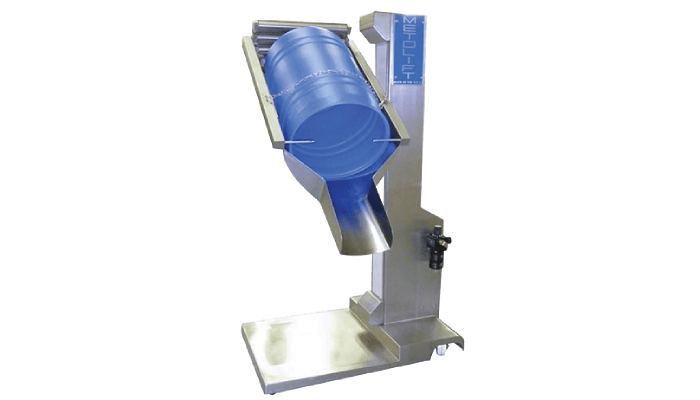
Modern bulk material handling systems integrate safety features into their design. Choosing the right equipment can drastically reduce accident risks.
- Guarding and Enclosures: Moving parts like belts, pulleys, and chains should be enclosed to prevent entanglement or accidental contact.
- Ergonomic Controls: Control panels should be accessible and simple, minimizing operator strain or errors.
- Dust Control Systems: Silos and conveyors should include dust suppression features to prevent respiratory issues or explosions.
- Emergency Stop Mechanisms: Easily accessible emergency stop buttons or pull cords should be available along conveyors.
Investing in well-designed bulk material handling equipment ensures safety is built into the foundation of operations rather than being an afterthought.
3. Implementing Regular Maintenance and Inspections
Routine maintenance plays a major role in preventing equipment-related accidents. Poorly maintained machines can fail unexpectedly, causing harm to workers and costly downtime.
- Scheduled Inspections: Regularly check belts, pulleys, bearings, and safety guards for wear and tear.
- Lubrication and Cleaning: Keep machinery properly lubricated and free from debris buildup.
- Electrical Safety Checks: Ensure all wiring and control systems are in good condition to prevent short circuits or fire hazards.
- Predictive Maintenance Tools: Use vibration analysis or thermal imaging to detect problems before breakdowns occur.
A strong maintenance culture not only increases equipment lifespan but also prevents accidents caused by faulty systems.
4. Training and Education for Workers
Even the most advanced equipment can become hazardous if operators lack proper training. Companies should develop comprehensive training programs covering:
- Safe Operation: How to start, operate, and shut down equipment safely.
- Hazard Awareness: Identifying risks such as moving parts, material spillage, or dust.
- Emergency Response: Procedures in case of equipment failure, fire, or accidents.
- Personal Protective Equipment (PPE): Workers should use hard hats, gloves, eye protection, and respirators when required.
Regular refresher training ensures safety remains a top priority, even for experienced workers.
5. Managing Dust and Spillage
Dust and material spillage are common byproducts of bulk handling. If not controlled, they can cause respiratory issues, fire hazards, and slip-and-fall accidents.
Dust Control Methods:
- Install dust collectors and suppression systems.
- Use enclosed conveyors and transfer points.
- Maintain proper ventilation in storage and processing areas.
Spillage Control:
- Fit conveyors with skirts and seals.
- Install catch trays beneath transfer points.
- Train workers to clean spills immediately using safe procedures.
A cleaner and safer work environment reduces both health risks and downtime.
6. Automation and Smart Technology for Safety
Modern industries increasingly rely on automation to improve both efficiency and safety. Bulk material handling equipment can be equipped with sensors, monitoring systems, and smart controls to reduce human exposure to risks.
- Automation of Repetitive Tasks: Reduces manual labor and accident risks.
- Real-Time Monitoring: Sensors detect overloads, blockages, or overheating before they escalate.
- Remote Operation: Operators can control machinery from a safe distance.
- Predictive Analytics: AI-based systems predict failures and alert maintenance teams.
Automation reduces reliance on manual intervention, thereby minimizing direct exposure to hazards.
7. Establishing Clear Safety Protocols
A structured set of rules and guidelines ensures every worker knows their responsibilities. Companies should implement:
- Lockout/Tagout (LOTO) Procedures: To ensure machines are completely shut down before maintenance or repairs.
- Signage and Labels: Clearly marked danger zones, PPE requirements, and emergency exits.
- Access Control: Restricting unauthorized personnel from hazardous areas.
- Safety Drills: Regular emergency drills prepare employees for real-world incidents.
By formalizing safety protocols, organizations create a culture of accountability and responsibility.
8. Personal Protective Equipment (PPE) and Ergonomics
While machinery safeguards and training are crucial, PPE remains the last line of defense. Depending on the type of bulk material handled, PPE may include:
- Helmets to protect against falling objects.
- Safety goggles and respirators for dusty environments.
- Steel-toed boots for protection against heavy materials.
- Hearing protection for noisy equipment.
Additionally, ergonomic tools and designs (such as adjustable platforms and easy-to-use controls) reduce physical strain on workers, preventing injuries over time.
9. Compliance with Industry Standards and Regulations
Regulatory compliance ensures equipment and practices meet minimum safety standards. Organizations should follow guidelines set by authorities such as:
- OSHA (Occupational Safety and Health Administration) for workplace safety.
- MSHA (Mine Safety and Health Administration) for mining operations.
- NFPA (National Fire Protection Association) for dust explosion prevention.
Staying compliant not only protects workers but also avoids legal issues and financial penalties.
10. Building a Safety-First Culture
Finally, the most effective safety strategy involves building a workplace culture where every employee prioritizes safety. This includes:
- Encouraging workers to report unsafe conditions without fear.
- Recognizing and rewarding safe practices.
- Involving employees in safety audits and decision-making.
When safety becomes ingrained in the organizational mindset, accidents decrease significantly, and productivity improves.
Conclusion
Bulk material handling equipment is essential for industries that deal with large volumes of materials daily. However, the benefits of efficiency and productivity can quickly turn into risks without proper safety measures.
By investing in well-designed equipment, maintaining strict inspection schedules, training employees, implementing dust and spillage control, embracing automation, and fostering a safety-first culture, companies can significantly reduce workplace hazards.
Ultimately, prioritizing safety not only protects workers but also enhances operational efficiency, equipment longevity, and organizational reputation.