
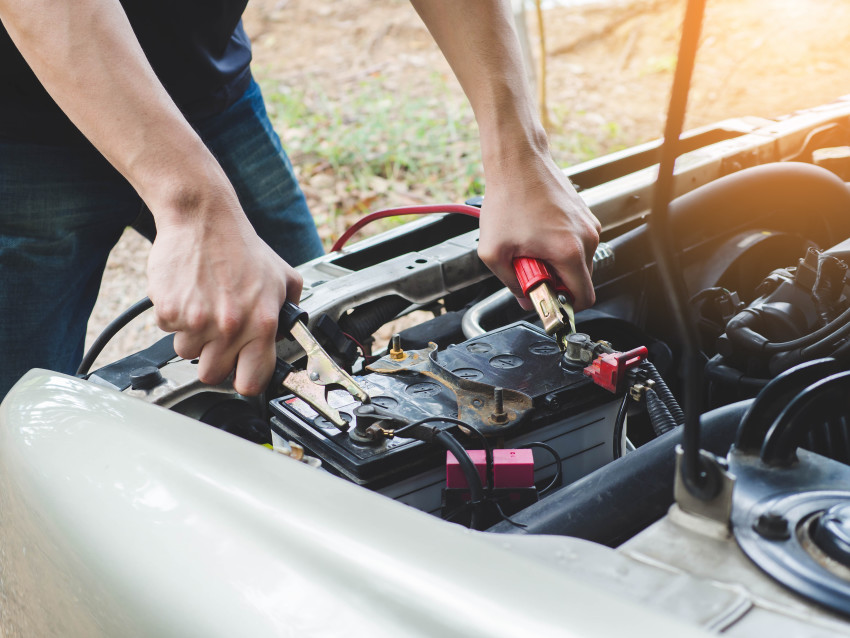
A dead car battery can happen to anyone—whether it’s due to cold weather, an interior light left on, or just an aging battery. While it can be frustrating, jumpstarting a car is a simple process you can learn and perform safely with the right tools and method.
In this guide, you’ll learn how to jumpstart a car with a dead battery, what tools you’ll need, how to stay safe, and when it’s time to call a professional.
What Causes a Dead Car Battery?
Before diving into the solution, it’s important to understand the most common reasons your battery might be dead:
-
Headlights or dome lights left on
-
Cold weather (batteries struggle in low temps)
-
Old or weak battery (typically lasts 3–5 years)
-
Corroded battery terminals
-
Alternator failure (battery isn’t recharging while driving)
-
Faulty wiring or electrical drain
What You’ll Need to Jumpstart a Car
To successfully jumpstart your car, you’ll need:
-
A working vehicle with a fully charged battery
-
Jumper cables (at least 10 feet long)
-
Optional: Gloves and safety glasses for added protection
Alternatively, a portable jump starter can also be used if another vehicle isn’t available.
Step-by-Step: How to Jumpstart a Car with a Dead Battery
Step 1: Position the Cars
-
Park the working vehicle close to the car with the dead battery, but do not let the vehicles touch.
-
Turn both vehicles off, engage the parking brake, and put them in park (or neutral if manual).
Step 2: Open the Hoods and Locate the Batteries
-
Locate the battery terminals on both cars—typically marked with + (positive) and – (negative) signs.
-
If the terminals are dirty or corroded, wipe them clean with a rag or brush for better contact.
Step 3: Connect the Jumper Cables
Use the following order when connecting cables:
| Cable | Connection Location | Description |
|---|---|---|
| Red (+) | Positive terminal on dead battery | First clamp |
| Red (+) | Positive terminal on good battery | Second clamp |
| Black (–) | Negative terminal on good battery | Third clamp |
| Black (–) | Unpainted metal surface on engine block or chassis of dead car | Final clamp (never attach to dead battery itself) |
⚠️ Important: The last black clamp must be attached to metal (not the battery) to reduce risk of sparks or explosion.
Step 4: Start the Working Car
-
Start the engine of the car with the good battery.
-
Let it idle for 3–5 minutes to send charge to the dead battery.
Step 5: Start the Dead Car
-
Try to start the car with the dead battery.
-
If it doesn’t start, wait a few more minutes and try again.
-
Once it starts, let both vehicles run for another 5–10 minutes to stabilize.
Step 6: Disconnect the Jumper Cables (In Reverse Order)
Remove the cables in the reverse order of how they were connected:
-
Black clamp from the metal surface of the previously dead car
-
Black clamp from the good battery
-
Red clamp from the good battery
-
Red clamp from the dead battery
Be careful to avoid letting the clamps touch during removal.
Step 7: Drive the Jumpstarted Car
Drive the car for at least 20–30 minutes to allow the alternator to recharge the battery. If the car stalls or doesn’t start again afterward, the battery may need replacement.
Troubleshooting: If Your Car Still Won’t Start
If your vehicle doesn’t start even after a few attempts:
-
Check battery terminals for corrosion or loose connections
-
Try a different grounding point for the negative clamp
-
Test the battery with a voltmeter (12.6V is fully charged)
-
Use a portable jump starter
-
Call roadside assistance—the battery, starter, or alternator could be faulty
Jumpstarting with a Portable Battery Pack
Portable jump starters are a convenient alternative. Here’s how they compare to traditional methods:
| Method | Requires Another Car | Skill Level | Portability | Cost |
|---|---|---|---|---|
| Jumper Cables | Yes | Basic | Low | Low |
| Portable Jump Starter | No | Very Easy | High | Moderate |
For frequent drivers or long-distance commuters, keeping a portable jump starter in the trunk is a smart investment—much like investing in one of the Top 5 Hybrid Cars with Best MPG in 2025, which are known for combining performance with long-term reliability.
Safety Tips When Jumpstarting a Car
-
Never smoke near a battery—batteries emit flammable gases
-
Keep metal objects (tools, jewelry) away from battery terminals
-
Wear gloves and safety glasses if possible
-
Don’t jump a damaged or leaking battery—call a pro
-
Always follow the jumper cable order strictly to avoid short circuits
FAQs: Jumpstarting a Car
Q1: How long should I let my car run after jumpstarting?
Answer: At least 20–30 minutes. This allows the alternator to recharge the battery. Driving is more effective than idling.
Q2: Can jumpstarting damage my car?
Answer: If done incorrectly, yes. Improper cable connection can short out electrical components. Always follow the correct order and safety guidelines.
Q3: Can I jumpstart a completely dead battery?
Answer: If the battery is too old or damaged, jumpstarting may not work. In that case, the battery likely needs replacement.
Q4: What if I hear a clicking sound when trying to start?
Answer: A clicking sound often means the battery doesn’t have enough charge. Wait a few minutes with the cables connected and try again.
Q5: Should I replace my battery after jumpstarting?
Answer: Not necessarily. If the battery holds a charge afterward, it’s still functional. If the issue repeats, get it tested—replacement may be needed.
Final Thoughts
Learning how to jumpstart a car with a dead battery is a valuable skill for any driver. It’s quick, effective, and can save you time, money, and stress—especially during unexpected moments. Always keep jumper cables or a portable jump starter in your car and review the steps occasionally to stay prepared.
Also, don’t ignore the root cause of a dead battery. If your car frequently struggles to start, get your battery and alternator checked by a professional.
Being a responsible car owner isn’t just about knowing what’s under the hood—it’s also about choosing vehicles and habits that prioritize efficiency, reliability, and preparation. Whether you’re managing an old sedan or researching the Top 5 Hybrid Cars with Best MPG in 2025, staying informed puts you in control of your drive.