
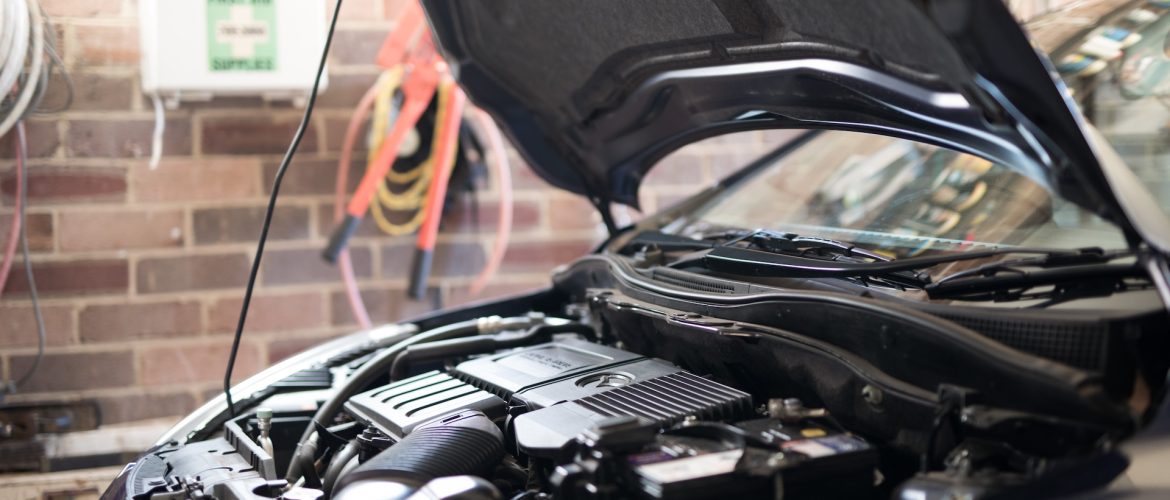
Your car’s engine is the heart of the vehicle, responsible for providing the power needed to get you from point A to point B. Like any complex system, it requires regular maintenance and care to ensure it continues to perform efficiently and lasts for many years. A well-maintained engine not only extends the life of your car but also enhances its performance, fuel efficiency, and reliability.
In this article, we’ll go over essential tips and best practices for maintaining your car’s engine, ensuring it stays in optimal condition for the long haul.
1. Change the Engine Oil Regularly
One of the most important aspects of engine maintenance is changing the engine oil at the recommended intervals. Engine oil lubricates the engine’s moving parts, preventing friction and excessive wear. Over time, oil breaks down and becomes contaminated, losing its effectiveness.
Why It Matters:
-
Reduces engine wear: Clean oil ensures smooth movement of the engine’s parts, preventing damage.
-
Improves performance: Fresh oil helps maintain optimal engine performance by reducing friction and heat.
Tip:
Check your vehicle’s manual for the recommended oil change interval (typically every 3,000 to 7,500 miles) and use the oil type specified by the manufacturer. Don’t forget to also replace the oil filter each time you change the oil.
2. Keep the Cooling System in Check
The engine operates at high temperatures, and the cooling system is responsible for maintaining optimal engine temperature. A malfunctioning cooling system can lead to overheating, which can severely damage the engine. Regularly check the radiator, coolant levels, and hoses to prevent overheating and engine failure.
Why It Matters:
-
Prevents engine overheating: Proper coolant levels and a functioning radiator help maintain a steady temperature.
-
Avoids costly repairs: Fixing leaks or worn-out hoses early can save you from expensive repairs or engine damage.
Also Read:
Best Fuel-Efficient Cars for City Driving: Save Money and the Environment
Tip:
Check the coolant levels regularly (usually every 1,000 miles) and top up if necessary. Replace the coolant every 30,000 miles or as recommended in your owner’s manual.
3. Change Air Filters
The air filter in your car prevents dirt, debris, and other contaminants from entering the engine. A clogged air filter restricts airflow, which can cause the engine to run inefficiently. Regularly replacing the air filter is a simple yet crucial maintenance step.
Why It Matters:
-
Improves fuel efficiency: A clean air filter ensures that the engine receives the proper amount of air, which helps improve fuel economy.
-
Enhances engine performance: The engine can run more smoothly when it has access to fresh air.
Tip:
Check the air filter every 12,000 to 15,000 miles, or sooner if you drive in dusty or harsh conditions. Replacing the air filter is an easy DIY task or can be done by a mechanic during a routine service.
4. Check and Replace the Timing Belt
The timing belt is an essential component that keeps the engine’s valves and pistons moving in sync. If the timing belt fails, it can cause catastrophic engine damage. It’s important to follow the manufacturer’s recommendations for timing belt replacement to prevent unexpected engine failure.
Why It Matters:
-
Prevents engine damage: A worn or broken timing belt can lead to bent valves or even a complete engine failure.
-
Prevents costly repairs: Replacing the timing belt on time is much cheaper than repairing an engine after a belt failure.
Tip:
Check your vehicle’s manual for the recommended timing belt replacement interval (usually between 60,000 and 100,000 miles). If you’re unsure, have a mechanic inspect the belt regularly.
5. Monitor Your Car’s Battery
The car battery powers the engine and electrical components. A weak or old battery can cause issues with engine starting and electrical system malfunctions. Regularly check the battery’s charge and condition to ensure reliable operation.
Why It Matters:
-
Prevents engine starting issues: A dead or weak battery can prevent the engine from starting, leaving you stranded.
-
Protects electrical components: Maintaining the battery helps prevent damage to the engine’s electrical system, which can be costly to repair.
Tip:
Inspect the battery every 6 months for signs of corrosion, and clean any corrosion off the terminals. If your battery is older than 3-4 years, it may be time to replace it.
6. Maintain Proper Tire Pressure
Although tire pressure may seem unrelated to engine maintenance, keeping your tires properly inflated can help your engine run more efficiently. Under-inflated tires create additional drag on the engine, causing it to work harder and consume more fuel.
Why It Matters:
-
Improves fuel efficiency: Properly inflated tires reduce rolling resistance, helping the engine work less to move the car.
-
Increases tire lifespan: Correct tire pressure prevents uneven tire wear, saving you money on replacements.
Tip:
Check tire pressure at least once a month and before long trips. Most cars have a tire pressure monitoring system (TPMS), but it’s still important to manually check the pressure using a tire gauge.
7. Use the Right Fuel
Not all cars are designed to run on the same type of fuel. Using the wrong fuel—such as lower-grade gasoline in an engine designed for premium fuel—can negatively impact engine performance and longevity.
Why It Matters:
-
Ensures optimal engine performance: The correct fuel type helps your engine run efficiently and prevents knocking or pinging sounds.
-
Prevents engine damage: Consistently using low-quality or incorrect fuel can cause long-term damage to the engine.
Tip:
Always follow the manufacturer’s recommendations for the correct type of fuel. If your car requires premium fuel, it’s best to use it to avoid engine strain.
8. Drive Gently and Responsibly
Your driving habits play a significant role in your engine’s health. Aggressive driving, such as rapid acceleration, harsh braking, and speeding, can put unnecessary strain on the engine and lead to premature wear.
Why It Matters:
-
Reduces engine stress: Smooth driving helps the engine operate within its designed parameters, reducing wear and tear.
-
Improves fuel economy: Gentle driving helps conserve fuel, extending the life of your engine and your wallet.
Tip:
Practice smooth acceleration and braking, avoid speeding, and try to keep RPMs in the mid-range when driving. Also, try to avoid short trips that don’t allow the engine to reach its optimal operating temperature.
9. Regularly Check the Exhaust System
The exhaust system not only reduces harmful emissions but also helps improve engine efficiency by maintaining the correct pressure in the engine’s cylinders. A clogged or damaged exhaust system can lead to engine strain and poor performance.
Why It Matters:
-
Reduces engine strain: A properly functioning exhaust system ensures that gases are efficiently expelled from the engine, preventing backpressure.
-
Prevents costly repairs: Timely maintenance of the exhaust system can prevent damage to the engine and costly repairs.
Tip:
Have the exhaust system checked regularly for leaks or damage. If you notice unusual sounds (such as a loud engine), it may indicate an issue with the exhaust system that needs attention.
10. Schedule Regular Engine Inspections
Even with all the preventative steps, it’s important to have your engine inspected regularly by a professional mechanic. An experienced technician can identify potential issues before they become major problems, helping to extend the lifespan of your engine.
Why It Matters:
-
Catches issues early: Regular inspections help detect potential problems that could lead to engine damage.
-
Ensures peak performance: A professional inspection can ensure that all engine components are functioning optimally.
Tip:
Follow the maintenance schedule recommended in your car’s manual and schedule regular check-ups every 6 months or so to keep your engine in top shape.
Conclusion
Maintaining your car’s engine is essential for ensuring its longevity and efficient performance. Regular oil changes, coolant checks, air filter replacements, and safe driving habits all contribute to keeping your engine running smoothly for years to come. By following these maintenance tips, you can protect your investment, reduce repair costs, and enjoy a well-performing vehicle for the long haul.
Taking care of your engine not only improves its reliability but also boosts its resale value. Make these practices part of your car care routine, and you’ll enjoy the peace of mind that comes with knowing your engine is in great shape.