
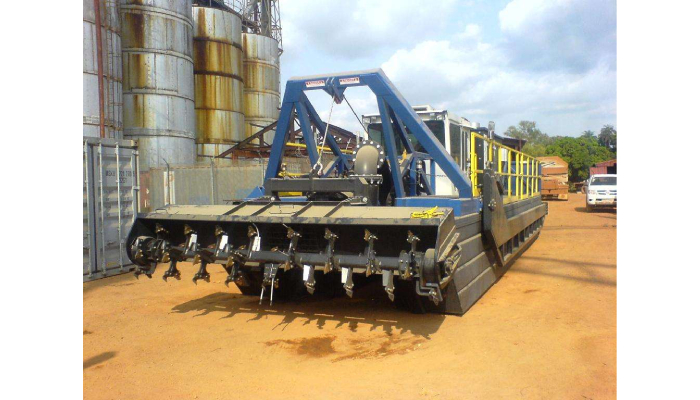
Maintaining your mine tailings dredge is essential for both efficiency and environmental sustainability in mining operations. Start with a clear understanding of mine tailings, which are leftover waste materials from mineral extraction. Regular inspections of the dredging equipment, such as pumps and cutter heads, are vital to catch wear and tear early. Establishing a maintenance schedule helps keep the dredge running smoothly. Monitoring performance through technology can enhance operational effectiveness too.
1. Understanding Mine Tailings and Their Impact
Mine tailings dredge are the leftover materials after valuable minerals are extracted from ore, often stored in tailings ponds. These waste products can contain harmful substances like heavy metals and chemicals, which pose significant risks to the environment. If not managed properly, these toxic substances can leach into groundwater, leading to contamination that affects both ecosystems and local communities.
Tailings management is crucial in preventing environmental disasters, such as dam failures, which can have devastating consequences for local wildlife and habitats. For instance, animals may accidentally enter tailings ponds and become exposed to hazardous materials, further endangering species and disrupting ecosystems. The composition of tailings varies depending on the minerals being extracted, making it essential to analyze their specific characteristics before initiating dredging processes.
Innovative technologies are being developed to minimize the environmental footprint of tailings storage, such as dry stacking, which significantly reduces the risk of water contamination. Understanding the geotechnical properties of tailings is vital for designing safe and effective storage solutions, ensuring that the landscape is protected and maintained. Additionally, collaborating with local communities helps address their concerns in tailings management plans, fostering trust and support for sustainable practices.
2. Essential Maintenance Best Practices
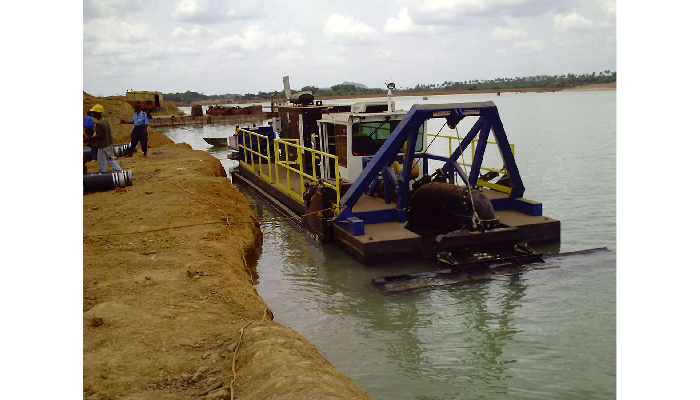
Creating a checklist for daily, weekly, and monthly maintenance tasks is essential for any mine tailings dredge operation. This checklist ensures that inspections are thorough and that no critical tasks are overlooked. For instance, daily checks might include inspecting the pumps and cutter heads, while more extensive weekly or monthly tasks could involve replacing worn-out parts or performing lubrication. Utilizing condition monitoring technologies, like vibration analysis, plays a crucial role in predicting equipment failures before they happen, allowing operators to address issues proactively.
Training staff on maintenance procedures not only enhances their skills but also empowers them to spot potential problems early. For example, a well-trained operator might notice unusual sounds or vibrations that could indicate a mechanical issue. Keeping spare parts readily available is another best practice that significantly reduces downtime in case of equipment failure. Quick access to the right parts allows for faster repairs, keeping operations running smoothly.
Documenting maintenance activities creates a clear history of repairs and helps in planning future maintenance schedules. This documentation is invaluable for tracking performance trends over time and making informed decisions. Implementing a predictive maintenance strategy can optimize maintenance efforts and reduce overall costs, as it focuses resources on the most critical aspects of equipment care.
Creating an accessible logbook for recording incidents and repairs can enhance communication among team members and ensure that everyone is aware of the dredge’s condition. Encouraging a culture of safety and responsibility among operators leads to better care of equipment and adherence to maintenance protocols. Regularly updating maintenance procedures based on the latest best practices keeps operations efficient and safe. Lastly, using high-quality lubricants and fluids can significantly extend the life of dredging equipment, minimizing wear and tear.
3. Enhancing Operational Efficiency
Improving operational efficiency in mine tailings dredging can significantly boost productivity and lower costs. One powerful approach is implementing data analytics, which can uncover inefficiencies in operations and guide improvements. For example, analyzing dredging patterns can reveal when and where adjustments are needed. Training operators on best practices enhances their skills, leading to more efficient dredging techniques that reduce operational expenses. Investing in energy-efficient dredging equipment is another smart move, as it not only lowers energy consumption but also cuts costs, making operations more sustainable.
Real-time data streaming is a game changer, allowing teams to make immediate adjustments based on changing conditions. This flexibility lets operators optimize performance on the fly. Conducting time-motion studies helps identify bottlenecks in the dredging process, streamlining operations for maximum output. Utilizing GPS technology ensures precise navigation, improving accuracy and reducing waste, which directly contributes to a more efficient dredging process.
Collaboration with suppliers can also lead to optimized material usage, minimizing waste and enhancing productivity. Regularly benchmarking performance against industry standards can inspire innovations and uncover areas for improvement. Incorporating feedback loops from operators fosters a culture of continuous improvement, as their insights can lead to better dredging strategies. Lastly, establishing clear communication channels among team members enhances coordination, ensuring everyone is on the same page and working towards a common goal.
4. Environmental Considerations in Dredging
Conducting environmental impact assessments before starting dredging operations is crucial. These assessments help identify potential risks to local ecosystems and communities. Implementing sediment control measures is another key practice, as it prevents the spread of contaminants during dredging activities, protecting water quality and aquatic life. Utilizing biodegradable lubricants and fluids further minimizes the ecological footprint of dredging. Developing restoration plans in advance ensures that affected habitats can be rehabilitated after dredging is complete, paving the way for a healthier environment.
Engaging environmental experts can provide valuable insights into best practices for minimizing impacts on local ecosystems. This collaboration helps in creating effective strategies tailored to specific sites. Monitoring water quality during and after dredging operations is essential to assess the effectiveness of these environmental management strategies. Additionally, adopting best practices for spill prevention can significantly reduce the risk of accidental discharges of pollutants, safeguarding the surrounding environment.
Using noise-reducing technologies can also lessen the impact of dredging operations on nearby wildlife, creating a more harmonious interaction between industry and nature. Promoting community involvement in environmental monitoring fosters transparency and trust, allowing local residents to feel more engaged and informed about dredging activities. Lastly, regularly reviewing and updating environmental policies is vital to ensure ongoing compliance with changing regulations, keeping operations sustainable and responsible.
- Conducting environmental impact assessments before starting dredging operations is essential to identify potential risks.
- Implementing sediment control measures prevents the spread of contaminants during dredging activities.
- Utilizing biodegradable lubricants and fluids minimizes the ecological impact of dredging operations.
- Restoration plans should be developed in advance to ensure that affected habitats are rehabilitated after dredging is complete.
- Engaging environmental experts can provide insights into the best practices for minimizing impacts on local ecosystems.
- Monitoring water quality during and after dredging operations helps assess the effectiveness of environmental management strategies.
- Adopting best practices for spill prevention ensures that accidental discharges of pollutants are minimized.
- Using noise-reducing technologies can lessen the impact of dredging operations on nearby wildlife.
- Promoting community involvement in environmental monitoring fosters transparency and trust.
- Regularly reviewing and updating environmental policies ensures ongoing compliance with changing regulations.
5. Effective Cost Management Strategies
Effective cost management in mine tailings dredging is not just about cutting expenses; it’s about optimizing resources and boosting profitability. Start by conducting a thorough cost-benefit analysis of your dredging operations to uncover hidden areas where you can save money. For instance, incorporating remote monitoring technology can significantly reduce labor costs while ensuring you maintain a strong oversight of operations. Additionally, forming partnerships with recycling companies can transform waste materials into revenue, thus alleviating disposal costs and creating a win-win scenario.
Regularly reviewing contracts with suppliers is another key strategy. You might find better pricing or terms that could lead to considerable savings over time. Implementing lean management principles can streamline your processes, eliminating wasteful practices and enhancing overall efficiency. Training your staff on cost-effective practices ensures that everyone is aligned with your financial goals, creating a culture of cost awareness.
Bulk purchasing necessary materials often leads to significant savings, allowing you to take advantage of lower prices. Don’t forget to explore alternative funding options, such as grants for environmental restoration projects, to help offset costs. Regular financial audits are essential, as they can pinpoint overspending and highlight opportunities for cost reduction. Finally, using project management software can help enhance budgeting and track expenses related to dredging operations, ensuring that you stay on top of your financial game.
6. Safety Protocols for Dredging Operations
Developing a comprehensive safety manual that outlines all operational procedures and emergency protocols is critical for any dredging operation. This manual serves as a go-to resource for staff, ensuring that everyone is aware of the necessary steps to take in various situations. Regular safety drills are equally important, as they prepare staff for emergency scenarios, ensuring that everyone knows their roles and responsibilities when the unexpected occurs.
Implementing a buddy system for operators encourages teamwork and enhances safety during dredging activities. This system not only promotes collaboration but also ensures that no one is ever alone in potentially hazardous situations. To keep safety at the forefront, regularly reviewing and updating safety training is essential. This ensures that all staff are informed about the latest protocols and equipment, making them better prepared for their tasks.
Conducting thorough risk assessments helps identify potential hazards, allowing proactive measures to be taken before issues arise. Furthermore, ensuring that first aid kits and emergency response equipment are readily available on-site promotes health and safety. Establishing clear reporting procedures for safety incidents encourages accountability and supports a culture of continuous improvement.
Engaging with local authorities and emergency services can significantly enhance preparedness for any potential incidents, creating a network of support that can be invaluable in emergencies. Finally, fostering open communication about safety concerns among team members creates an environment of vigilance and cooperation, which is crucial in maintaining a safe workplace. Utilizing safety technology, such as wearable devices that monitor workers’ health, can further enhance safety in the field, ensuring that everyone stays protected while they work.
Frequently Asked Questions
What are the key parts of a mine tailings dredge that I should keep an eye on?
The main parts to focus on are the pump, dredge head, hoses, and support structures. Regular checks can prevent bigger problems later.
How often should I clean and maintain my dredge?
It is best to clean and maintain your dredge after each use, and do a more thorough inspection at least once a month to catch any issues early.
What kind of tools do I need for dredge maintenance?
You will need basic hand tools like wrenches, screwdrivers, and pliers, as well as cleaning supplies. A pressure washer is also helpful for a deep clean.
What signs tell me that my dredge needs repairs?
Look for unusual sounds, leaks, or drops in performance. If you see wear or damage on any components, that’s a big signal to check and repair.
Can I do the maintenance myself or should I hire a professional?
You can handle basic maintenance yourself, but for complex repairs or if you’re unsure, it’s wise to hire a professional to ensure safety and proper function.