
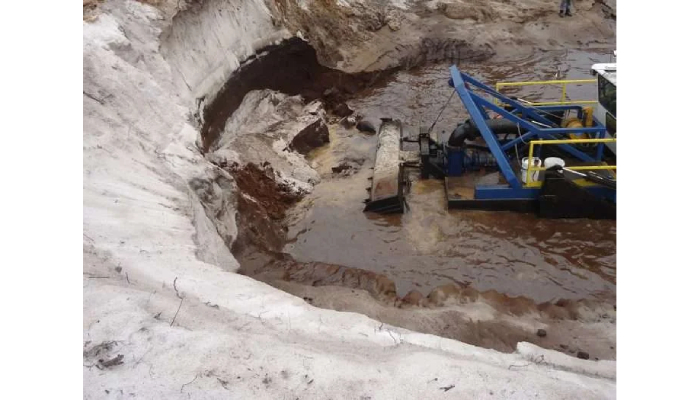
A sand dredge is a critical piece of equipment in mining, construction, and marine projects. Whether you use it for harbor deepening, beach nourishment, or sand extraction for industrial use, its efficiency and longevity depend heavily on consistent care. Without proper maintenance, even the most advanced dredge can suffer costly downtime, reduced productivity, and premature replacement.
In this guide, we’ll explore how to maintain your sand dredge for the long haul, covering best practices, preventive strategies, and common pitfalls to avoid.
1. Understanding The Components Of A Sand Dredge
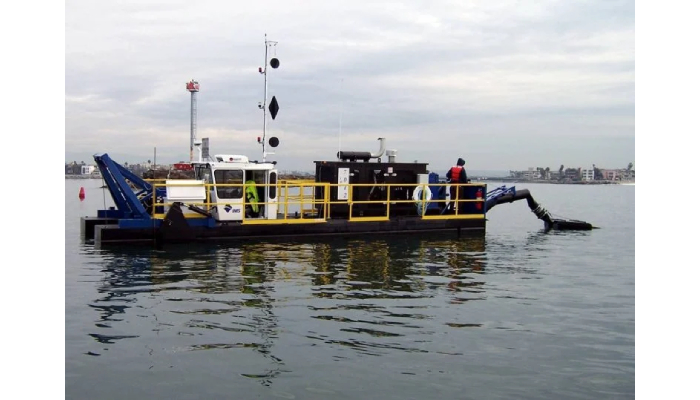
Before you can maintain your sand dredge effectively, you need to know what you’re maintaining. While models differ, most dredges include:
- Hull & Structural Framework – Supports the entire machine and houses systems.
- Dredge Pump & Suction Line – Moves sand, gravel, and water from the seabed or riverbed.
- Discharge Pipeline – Delivers the material to a designated location.
- Cutterhead or Suction Nozzle – Loosens and directs materials into the pump.
- Engines & Power Systems – Diesel, electric, or hybrid power sources.
- Winches & Cables – Control positioning and movement.
- Control & Monitoring Systems – Include sensors, gauges, and operator controls.
Knowing how each part functions will make inspections more targeted and repairs faster.
2. The Importance Of Preventive Maintenance
A sand dredge operates in some of the harshest conditions — abrasive sand, corrosive saltwater, heavy loads, and constant mechanical stress. Reactive maintenance (fixing only when something breaks) is costly and often leads to larger failures.
Preventive maintenance ensures:
- Extended lifespan of wear parts.
- Reduced downtime during peak operational periods.
- Lower overall repair costs.
- Improved safety for the crew.
3. Daily Maintenance Routine
Daily checks are your first line of defense against breakdowns.
- Visual Inspection
- Check for visible cracks, leaks, and unusual wear.
- Look for sand buildup in moving parts.
- Lubrication
- Grease bearings, winch cables, and pivot points as recommended by the manufacturer.
- Check Fluid Levels
- Engine oil, coolant, and hydraulic fluids.
- Pump & Cutterhead
- Inspect for obstructions and remove lodged debris.
- Control Panel
- Test all alarms, gauges, and emergency shutoffs.
- Fuel System
- Drain water separators to avoid contamination.
A 15–20 minute inspection each day can prevent hours or days of downtime later.
4. Weekly And Monthly Maintenance Tasks
While daily inspections focus on quick checks, weekly and monthly routines should be more thorough.
Weekly Tasks
- Check and tighten all bolts and fasteners — vibration loosens connections.
- Inspect pump impellers and liners for excessive wear.
- Clean air filters for both engine and ventilation systems.
- Inspect discharge pipelines for leaks or abrasion.
Monthly Tasks
- Conduct oil and filter changes based on operational hours.
- Inspect underwater components if possible — divers or dry-docking may be needed.
- Check winches and hoists for cable fraying.
- Test battery health and charging systems.
5. Seasonal And Annual Maintenance
Seasonal overhauls keep your sand dredge ready for peak demand.
- Full Hull Inspection
- Look for corrosion, cracks, and damage to paint or coating.
- Apply marine-grade anti-fouling paint if needed.
- Replace Critical Wear Parts
- Cutter teeth, pump liners, and seals.
- Hydraulic System Overhaul
- Flush lines, replace seals, and test pressure.
- Engine Tune-Up
- Replace spark plugs (if gasoline-powered), check injectors, calibrate timing.
- Calibration of Sensors
- Ensure dredging depth and GPS positioning systems are accurate.
Annual dockside servicing also provides a chance to implement upgrades that improve efficiency.
6. Cleaning And Anti-Corrosion Measures
Sand and saltwater are relentless enemies of metal.
- Freshwater Rinse – After each use, flush all exposed parts with freshwater to remove salt and grit.
- Protective Coatings – Apply anti-corrosion spray to winches, hinges, and exposed steel.
- Internal Flushing – For the pump and pipeline, flush with clean water to prevent sediment buildup.
Neglecting cleaning allows corrosion to take hold quickly, leading to expensive replacements.
7. Monitoring Wear And Performance
Use data and observation to detect issues early.
- Track fuel consumption – Sudden increases may indicate engine inefficiency or blockages.
- Monitor pump output – Reduced flow may point to worn impellers or obstructions.
- Listen for changes in sound – Unusual vibrations or knocking noises often signal early failure.
Some modern sand dredges come with integrated monitoring systems that send alerts before parts fail.
8. Proper Storage And Mooring
When not in use for extended periods:
- Anchor in a sheltered location to reduce exposure to waves and currents.
- Drain and dry the pump, pipelines, and tanks.
- Disconnect batteries to avoid parasitic drain.
- Cover exposed machinery with protective tarps.
Improper storage can undo months of careful maintenance.
9. Training The Crew For Maintenance
Even the best maintenance plan fails without a trained crew.
- Teach operators basic troubleshooting — so they can spot and address issues quickly.
- Encourage a reporting culture — small issues should be logged immediately.
- Provide maintenance manuals and checklists — keep them onboard for reference.
10. Sourcing Quality Spare Parts
Using substandard or mismatched components can shorten your dredge’s life.
- Work with reputable suppliers who understand marine dredging needs.
- Stock high-wear parts onboard — cutter teeth, gaskets, and seals.
- Document part numbers and specifications for quick reordering.
11. Avoiding Common Maintenance Mistakes
Some operators unknowingly damage their sand dredge by:
- Skipping freshwater rinses after saltwater use.
- Ignoring early warning signs (minor leaks, unusual noise).
- Overloading the pump, leading to premature wear.
- Using incompatible lubricants or fluids.
12. Building A Maintenance Log
A detailed maintenance log is more than paperwork — it’s a tool for extending dredge life.
Include:
- Date and hours of operation.
- Parts inspected or replaced.
- Fluid changes and lubrication points.
- Observed issues and corrective actions.
Over time, this log helps you predict wear patterns and schedule preventive work more efficiently.
Conclusion
A sand dredge is a significant investment, and its lifespan depends on how well you maintain it. From daily inspections and cleaning to seasonal overhauls and crew training, each step you take adds years of productive service to your equipment. Remember — in the world of dredging, preventive maintenance isn’t just a best practice; it’s a profit strategy.