
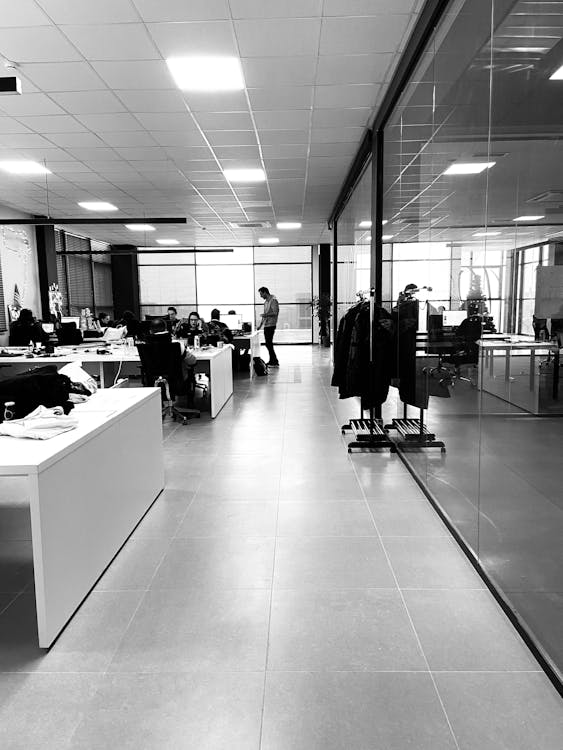
If you walk into any workplace, you can usually tell within 5 minutes whether it feels good to be there or not. Some offices feel fresh and calm with quiet, productive people in the background, and others feel like a fluorescent waiting room where dreams go to nap. Comfort at work isn’t about turning the place into a luxury spa, but creating an environment where people can actually think and get things done without fantasising about working from their sofa forever.
If you want a more comfortable workplace, you don’t have to have a complete renovation, you just need to be smart with the changes that you make. A little bit of common sense and a willingness to admit that stage walls and stiff chairs aren’t for everybody is going to go a long way. People can’t be comfortable if they’re physically uncomfortable, so chairs that feel like medieval punishment devices have no place in a modern office today. Investing in proper seating that supports backs instead of slowly destroying them is the first thing to do, but desks should also suit different heights. Screens should be at eye level, not forcing everyone into a permanent hunch, too. When people aren’t distracted by aches and pains, they can focus on their work instead of counting the minutes until they can stand again.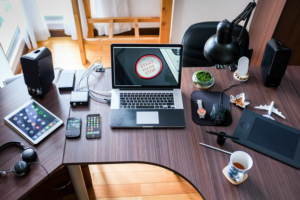
Another troublemaker in the workplace is often the lighting. Harsh overhead lights can make even the most enthusiastic employee feel like they’re under interrogation. Bringing a more natural light is a smart thing to do because it will boost mood and energy in ways that no motivation or poster ever will. Where natural light isn’t an option in your office, softer lighting and desk lamps can make a big difference. Nobody does their best thinking while squinting under aggressive white glare, right? If you’re thinking about lighting, temperature also deserves some attention. Offices have a magical ability to be freezing in the summer and stuffy in the winter. While it’s impossible to keep everyone perfectly happy, offering small comforts like fans and adjustable heating zones or even a few cozy corners can stop the daily thermostat wars. When people aren’t shivering or sweating, they’re far more likely to stay focused.
Noise is where things get interesting in the office though. Open plan offices were designed to bring teams together, but they also brought together every phone call, keyboard tap and enthusiastic crunch of a snack. A comfortable workplace doesn’t mean silence, but it does mean giving people some options, so quiet areas do matter. Small, enclosed spaces where someone could take a call without sharing the details of their appointment with the entire department is important, and this is where something like office pods can quietly transform the room. They offer a simple way to create privacy and calm without building permanent walls around people. Instead of hiding in stairwells or booking meeting rooms for one person tasks, employees can step into a dedicated spot to focus or talk in peace. It’s practical rather than flashy, and that’s exactly why it works.
Comfort isn’t just physical though, it’s emotional too. People need to feel at ease in the environment, and that starts with the layout that you have. If the office is feeling cramped and cluttered, stress levels will creep up without anyone noticing. Clear walkways with good storage, organization, and some breathing room between desks really do make the entire office feel light up. And Speaking of feeling light up, plants will help here more than you think. Greenery can soften the hard lines of an office with all the desks and brings life into a space that might otherwise feel too corporate. You don’t need to turn the office into a jungle though, just a few well placed plants with different colours can lift the mood and improve the air quality too.

The break areas of the office deserve as much attention as the desk areas. A tiny table squeezed next to the printer is not a relaxing space. If you want your employees to recharge properly and concentrate better on their tasks, give them somewhere that feels separate from their desks. Comfortable seating, decent coffee, and a bit of personality do go a long way. When people take real breaks, they return to their workshopper and are more productive, which is exactly what you want. You want people to feel like they are a part of something at work, not part of an industrial room. A good way to do that is to inject some colour. Plain white walls can feel clinical. Dark, heavy colours can feel draining. Warmer neutrals or soft tones can make the workplace feel more welcoming without becoming too distracting. Even small touches like artwork or feature walls can stop it from becoming bland.
You need to be flexible in what you do with your office because comfort looks different for different people. Some people prefer the quiet corners and the office pods we mentioned already. Others like a bit of background buzz. Some focus best at a traditional desk, while others think more clearly on a bean bag. A workplace that offers variety automatically feels more human because it acknowledges that not everyone works in the same way. Acoustics here matter just as much as noise levels, with soft furnishings, carpets and acoustic plan panels absorbing sound and reducing echo. This is great for those who want to work in a quieter space.
A comfortable workplace won’t magically eliminate deadlines or difficult projects, but it’s going to make the daily experience much smoother and calmer. When people feel good in their environment, they tend to do better work, which means everybody wins, even the person who used to take phone calls in the corridor. Take a look around at your current office and determine whether or not it’s right now that you need to start making some changes.