
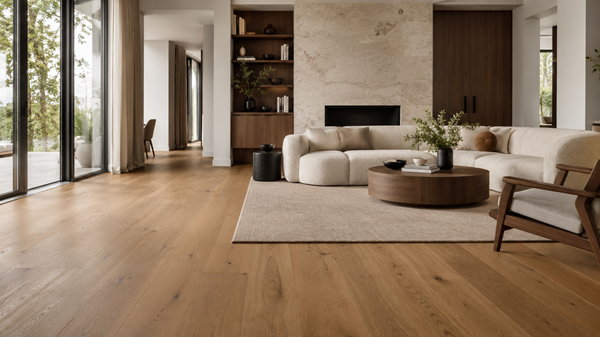
You can fill a room with designer furniture, elegant lighting, and custom decor, yet something may still feel slightly off. Quite often, the floor is the missing piece. Its color, texture, pattern, and finish influence almost everything placed above it.Pictures online are useful for gathering ideas. However, they rarely show the true shade or surface detail of a floor. Visiting flooring showrooms lets you compare materials under proper lighting and see how several planks look together. You can also bring paint samples, cabinet colors, fabric pieces, and photographs of your room.
Luxury design is not simply about buying the most expensive option. A successful room feels balanced, comfortable, and thoughtfully connected. The right flooring should support your preferred style while handling everyday life without becoming a constant maintenance problem.
This guide will help you coordinate flooring with colors, furniture, room size, lighting, and practical needs.
Start with the Feeling You Want the Room to Create
Flooring decisions become easier once you define the atmosphere of the room. Do you want a bright, relaxed space or something darker and more dramatic? Perhaps you prefer a calm hotel-like interior with soft colors and clean lines.Light oak tones can make a room feel airy and open. Deep walnut shades add warmth, depth, and a sense of formality. Stone-inspired surfaces feel polished, while softly textured wood designs create a more comfortable mood.
Try describing your ideal space using three words. You might choose “warm, quiet, and refined” or “modern, bright, and uncluttered.” Those words create a useful filter. If a flooring sample does not support that feeling, remove it from the list.
Match the Floor to the Design Style
Modern luxury interiors usually work well with wide planks, low-gloss surfaces, and limited color variation. Straight lines and subtle grain keep the room looking clean without making it feel empty.Traditional rooms can carry richer colors and more visible wood character. Natural brown shades often sit comfortably beside detailed cabinets, classic furniture, and warm metal finishes.
For organic interiors, look for earthy colors and gentle texture. Soft oak, beige, sand, and light brown can create a relaxed foundation for linen, stone, wood, and indoor plants.
Connect the Colors Without Matching Everything Exactly
Here is where people often get stuck. They compare the floor with each piece of furniture and try to find an exact color match. The result can look flat because nothing has enough contrast to stand out.Focus on undertones instead. A color may lean warm, cool, or neutral even if it appears brown or gray at first glance. Warm floors usually contain hints of honey, red, orange, or gold. Cooler options may show gray, taupe, or slightly blue notes.Imagine pairing a cool gray floor with creamy cabinets and warm beige walls. Each item may look attractive alone, but together they can feel disconnected. A neutral oak or soft greige floor would likely create a smoother transition.
Take samples home whenever possible. Morning sunlight, evening light, and indoor bulbs can make the same material appear surprisingly different. Place each sample near the cabinets, walls, sofa, and main windows. Then step back. Flooring should be judged as part of the entire room, not from a few inches away.
Use Contrast with a Light Touch
A dark floor can create an elegant base for pale walls and furniture. Still, very dark surfaces may show dust, pet hair, and scratches more clearly. That maintenance detail matters in a busy household.Light floors can make smaller rooms appear more spacious. They also allow bold furniture, dark cabinets, or colorful artwork to receive more attention. For a balanced result, repeat the floor’s tone through two or three smaller details, such as a table frame, shelf, or decorative bowl.
What to Compare in a Flooring Showroom
Color is only the beginning. At a flooring showroom, compare plank width, surface texture, edge style, finish, pattern variation, and overall scale. Two products in a similar shade can create completely different results once installed across a full room.Bring useful references with you. A cabinet door, paint card, curtain fabric, furniture photograph, or countertop sample can prevent guesswork. Phone pictures help too, although screen colors are not always accurate.
At Sam’s Flooring, customers can explore flooring materials and compare options for different interior styles. Since the store supplies flooring rather than providing installation, shoppers can concentrate on finding a material that suits their design, lifestyle, and project plans.
View Several Planks Side by Side
Never judge patterned flooring from one small board. One piece cannot reveal the complete range of grain, knots, shade changes, or printed details.Ask to view several showroom flooring samples together. Lay them in the direction you expect the finished floor to run. Next, stand up and look from normal viewing height. A pattern that seems bold up close may appear beautifully balanced from across the room.
Also watch for obvious repetition. Repeated knots or grain marks can weaken the natural appearance, particularly in large open areas. More pattern variation generally produces a richer and more convincing finish.
Choose a Material That Fits Your Real Routine
A luxurious room should still be comfortable to live in. If everyone feels nervous about spills, wet shoes, or pet claws, the material may not suit the household.Think honestly about daily use. A quiet bedroom has different demands from a kitchen, entrance, or family room. A household with young children may care more about stain resistance and easy cleaning. Pet owners may place scratch resistance and traction higher on the list.
Maintenance deserves equal attention. Natural materials can be beautiful, but some require careful cleaning and protection from moisture. A practical alternative may preserve the intended look while reducing everyday worry.
Where Luxury Vinyl Plank Works Well
Modern luxury vinyl plank flooring can recreate the appearance of natural wood while offering easier maintenance and useful moisture resistance. Quality varies, though. The printed design, surface texture, core construction, wear layer, and edge detail all affect the final appearance.Look for premium vinyl plank options with realistic grain, restrained color variation, and a matte or low-sheen surface. Wider and longer boards can also produce a more polished look, especially in open living areas.
For kitchens, family rooms, and active households, wood-look vinyl floors can provide a sensible balance between appearance and daily performance. They are not automatically right for every project, but they deserve consideration when natural hardwood feels too demanding.
Let Plank Size and Layout Improve the Room’s Proportions
The dimensions of a plank influence how large, calm, or busy a room feels. Narrow boards create more seams and visual movement. Wider planks reduce those lines, which can give the space a cleaner and more expansive appearance.Longer boards can strengthen that effect. However, scale still matters. Extremely wide planks may overwhelm a very small room, while short boards might look crowded across a large open floor plan.Direction matters as well. Running planks along the longest wall usually emphasizes the room’s length. Positioning them toward a major window or architectural feature can naturally guide the eye through the space.
Herringbone and chevron patterns add character, particularly in an entrance, dining room, or formal living area. Yet these layouts already carry strong visual energy. Pairing them with heavily patterned furniture and dramatic décor can make the room feel restless.
Plan Transitions Between Rooms
Open-plan homes usually look more cohesive when the flooring continues across connected spaces. Fewer transitions create a stronger visual flow and can make the overall interior appear larger.Sometimes a material change is practical. Bathrooms, laundry areas, and other moisture-prone rooms may need a different surface. In that case, coordinate the undertones and keep the transition clean. The materials do not have to match, but they should look intentionally related.
Avoid Details That Can Make the Design Feel Cheaper
Glossy flooring may appear glamorous under bright retail lights. At home, however, strong shine can reveal footprints, dust, scratches, and surface imperfections. A satin, matte, or low-gloss finish often creates a quieter and more convincing sense of quality.Another common mistake is selecting from a highly edited online image. Product photography can change color, hide pattern repetition, or make texture seem deeper than it is. An in-person flooring selection provides a far more reliable view.
Trend-driven choices also require some caution. An extreme gray, orange, or whitewashed finish may look exciting today but become difficult to decorate around later. Flooring covers a large area and is not replaced as easily as cushions or wall paint.Do not forget the surface beneath the flooring. An uneven or unsuitable subfloor can affect how the finished material looks and performs. Product requirements should be reviewed with the installer chosen for the project before materials are ordered.
Build a Luxury Interior That Still Feels Right Years Later
A sophisticated interior rarely depends on one dramatic feature. It grows from several thoughtful decisions that work together.Begin with the mood you want. Then compare undertones, textures, plank proportions, and finishes. Consider sunlight, furniture, room size, and the amount of daily activity the floor will handle. A calm design foundation gives you more freedom to update rugs, artwork, and accessories later.
Most importantly, do not let price become the only measure of quality. A floor feels luxurious when it looks appropriate, performs reliably, and supports the rest of the room. Careful comparison usually creates a better result than chasing the most expensive label.
Frequently Asked Questions
Should the flooring match the cabinets exactly?
No. An exact match can make the room look flat or overly coordinated. Instead, choose compatible undertones and create gentle contrast. Warm cabinets generally pair well with warm or balanced neutral floors.
Can vinyl plank flooring create a luxurious appearance?
Yes, provided the product has realistic pattern variation, convincing texture, suitable plank proportions, and a refined finish. High-end vinyl planks with subtle grain and low shine tend to look more natural than glossy designs with obvious repetition.
Are dark or light floors better for an upscale interior?
Neither is automatically better. Dark flooring can feel dramatic and formal, while light flooring often appears open, calm, and modern. The right choice depends on the room’s size, sunlight, furniture, and maintenance needs.