
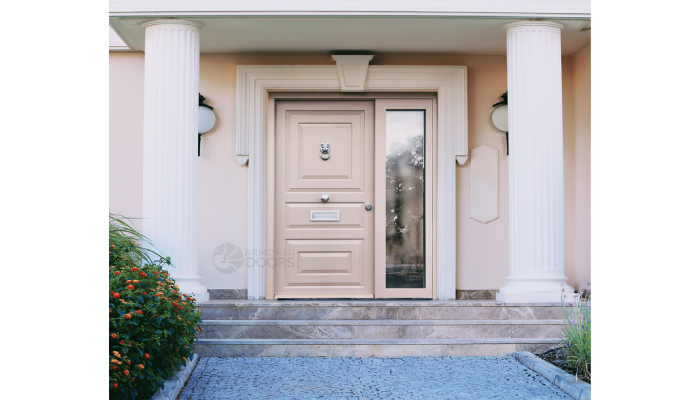
Measuring for a custom security door is not just about getting the right size; it’s about boosting your home’s safety and style too. First, gather your essential tools like a tape measure, pen, and possibly a level. Before you dive into measurements, check for any obstructions in the entryway that could interfere with your new door’s installation. Start by measuring the rough opening height from six inches above the bottom frame to the top, take multiple readings to ensure accuracy! Don’t forget to measure the width at three different heights as well. Finally, think about design choices since doors come in many styles. Consulting with professionals can also make sure you’re on the right track!
1. Check for Obstructions Around the Door Frame
Before you dive into measuring for your new custom security doors, take a moment to assess the entryway for any potential obstructions. Start by looking for doorbells that could interfere with the door’s movement. Light fixtures are another common culprit; they can block the door’s swing, making it difficult to open fully. Don’t forget to inspect the area for plants or shrubs that might need a trim to provide ample clearance for the door’s operation.
Next, take note of any existing handles or locks. If they are positioned too close to the frame, they may need to be relocated to ensure a smooth installation. Security cameras or sensors can also pose challenges, so be sure to identify their locations. When visualizing the door’s swing direction, consider how it will open to avoid any clashes with nearby objects.
Measure the distance between the door frame and any obstructions, documenting all potential issues in your notepad. This will be invaluable during installation. Additionally, check the ground area for any uneven surfaces or debris, as these could hinder the door’s functionality. Lastly, ensure that pets or outdoor furniture won’t obstruct the door when it’s in use. A little foresight here can make installation a breeze!
- Look for any doorbells that might interfere with the new door’s operation.
- Check for light fixtures that could obstruct the door’s path when opening or closing.
- Inspect any plants or shrubs that might need trimming for clearance.
- Note any existing handles or locks that may need to be relocated.
- Ensure there are no security cameras or sensors in the way.
- Consider the door swing direction to avoid potential obstructions.
- Measure the space between the door frame and obstructions to ensure adequate clearance.
- Document all potential issues in your notepad for reference during installation.
- Check the ground area for any uneven surfaces or debris that could cause issues.
- Ensure pets or outdoor furniture won’t interfere with the door’s operation.
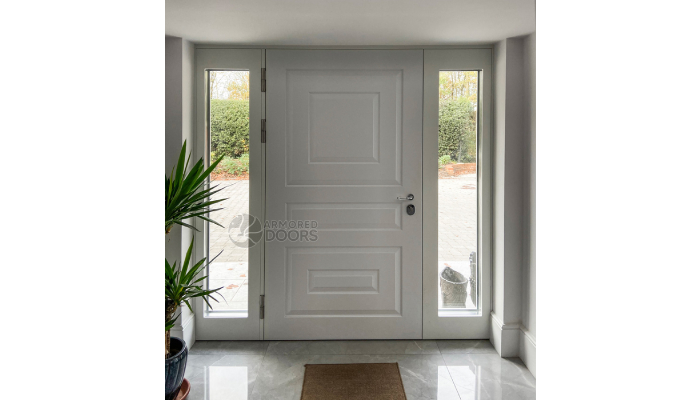
2. Measure the Rough Opening Height
To measure the rough opening height accurately, start at the bottom of the door frame, not the floor. It’s crucial to keep the tape measure straight and vertical to ensure precision. Look for any sagging in the frame, as this can impact your measurement. Measure from both sides of the frame to confirm consistency, and be sure to document any discrepancies you find. If you need assistance, have a helper hold the tape measure at the top to make the process easier. It’s also wise to measure in the center of the frame for additional confirmation. Make sure to clear away any obstructions that might block the frame, and always take the shortest measurement as your final height to ensure a perfect fit.
3. Measure the Rough Opening Width
To measure the rough opening width for your custom security door, start by taking three measurements across the frame: at the top, middle, and bottom. Place your tape measure level and straight, ensuring you’re measuring from the inside edges of the frame. Record each measurement separately for clarity. When you’re done, compare the three measurements and choose the smallest one, as this will give you the most accurate width for your new door. Be sure to check for any warping in the frame, which could affect the width. Always measure in a straight line to avoid any angles that might lead to misleading results. If the opening is wide, it can be helpful to have a friend hold the tape measure for you. If you have any doubts about the accuracy of your measurements, don’t hesitate to repeat the process. Document your width measurements clearly, as this will help you avoid confusion later on.
4. Handle Height Measurement for Security Doors
When measuring for handle height on your custom security door, start with the standard height of around 39½ inches. However, it’s important to check the specific style of the door you have in mind, as this can vary. For accuracy, measure from the floor up to your existing handle, this gives you a solid reference point. If you find that the current handle height isn’t comfortable or accessible, feel free to adjust it. You might want to raise it by adding about 5 inches if there are potential obstructions above the handle that could hinder operation.
Always measure while standing to ensure the height suits most users, and keep in mind the placement of any screen or storm door features, which could interfere with the new handle. Be sure to jot down your measurements and any adjustments for clarity. Before you finalize your decision, check the handle placement on the new door to confirm it meets your needs. Additionally, if you’re considering ADA compliance, make sure your chosen height aligns with those requirements.
5. Measure Jamb Depth Accurately
Measuring the jamb depth accurately is a critical step in ensuring your custom security door fits perfectly. Start by measuring from the interior edge of the jamb to the exterior edge. This measurement is essential for selecting the right frame size. To get it right, use a straight edge or level to make sure your tape measure is straight, which helps avoid any inaccuracies. It’s a good idea to check both sides of the jamb, as the depth may differ slightly from one side to the other. Measure at multiple points along the jamb to account for any variations, especially in older homes where settling might have occurred. Make sure to document the depth measurement for each side of the frame. If your opening is deep or hard to access, consider using a helper to assist you. Don’t forget to factor in any existing trim or insulation that might affect your depth measurements as well. Keep a record of all your findings to prevent confusion during installation.
6. Consider Door Style and Design Options
When choosing a custom security door, think about the various styles available, from sleek single-panel designs to more substantial double-panel options. Each style offers unique benefits, such as visibility and airflow, which can enhance your comfort at home. You might prefer a door that allows for light and breeze, or perhaps you want a solid option for added privacy.
Explore different materials too, as they play a significant role in security. High-quality steel or reinforced aluminum can provide peace of mind, while also considering aesthetic appeal. Look for locks that offer advanced security features, ensuring your door is as functional as it is stylish.
Next, factor in the architectural style of your home. A modern house might look great with a contemporary security door, while a more traditional home could benefit from classic designs that match its character. Don’t forget to think about the color and finish; these details can help your new door blend seamlessly with your existing decor.
Customer feedback can be incredibly valuable when deciding on a style. Check reviews for insights on performance and durability, which can guide you toward a door that not only looks good but also stands the test of time.
Finally, consider whether you want a decorative screen or a solid door. Decorative screens can enhance the visual appeal while providing some security, but if privacy is a priority, a solid door might be your best bet. Consulting with an expert can also help you choose the best materials suited for your climate, ensuring your door lasts for years to come.
7. Consult with Professionals for Best Results
Consulting with professionals can make all the difference when measuring for a custom security door. Seek advice from door installation experts or local contractors who are familiar with your area’s building codes and standards. They can highlight common measuring mistakes and offer tips to avoid them. Don’t hesitate to ask for quotes and timelines for installation, ensuring you have a clear understanding of costs and schedules. When selecting professionals, check that they are licensed and have positive reviews to ensure reliability.
Discuss any unique aspects of your home that could impact the installation process, such as uneven floors or unusual entryway shapes. This dialogue allows the expert to provide tailored recommendations and might lead to suggestions for door brands and styles that best suit your needs. Additionally, inquire about warranties and service options before making a purchase, this is crucial for long-term satisfaction.
If you’re feeling uncertain about handling the installation yourself, consider hiring professionals. They can ensure a proper fit and finish that enhances both security and aesthetics. Use these consultations to clarify your expectations regarding the door’s design and explore extra security features or upgrades that could enhance your home’s safety.
8. Measurement Guides by Door Type
When it comes to measuring for different types of security doors, familiarity with standard sizes is crucial. For a surface mount security screen door, common dimensions include 30″ x 80″, 32″ x 80″, and 36″ x 80″. It’s essential to measure the rough opening for both width and height, ensuring you cross-reference with the manufacturer’s specifications to guarantee a precise fit. On the other hand, if you’re opting for a recessed mount security screen door, the sizing might vary slightly due to the installation depth, so keep that in mind.
Additionally, adjustable features in security doors can affect your final measurements, making it important to document every detail carefully. To avoid ordering the wrong size, take thorough measurements and note any peculiarities in your entryway. Don’t forget to check any local building codes that might influence the installation process, as compliance is essential. Finally, to ensure you get the best fit, compare sizes from multiple brands and keep your notes organized for each door type you consider.
9. Resources for Reference on Measurements
Measuring for a custom security door can be tricky, but there are plenty of resources to help you get it right. Start by bookmarking websites that provide detailed measuring guides, such as Safeway Security Screens or Larson Storm Doors. These sites often have step-by-step instructions and tips to make the process easier. You might find it helpful to print out charts or checklists that can serve as quick references while you measure.
Online forums are another great place to ask questions about specific measuring concerns. Engaging with a community can provide valuable insights and firsthand experiences. If you prefer visual learning, seek out video tutorials that demonstrate measuring techniques. Watching someone else perform the task can clarify any uncertainties.
Don’t forget to follow reputable blogs that specialize in home improvement and security doors. These blogs can keep you updated on the latest trends and best practices. Share your findings with friends or family; they might have additional tips or experiences that could benefit you.
Keeping an updated list of contacts for manufacturers or installers can also be a lifesaver. If you have questions about specific door specifications, you can easily reach out for clarification. Finally, consider visiting your local hardware store, where experts can provide personalized advice and recommend measuring tools. Staying informed about new products and measuring tools on the market can help you make the best choice for your home.
Frequently Asked Questions
What tools do I need to measure for a custom security door?
To measure for a custom security door, you’ll need a tape measure, a level, a pencil or marker, and possibly a notepad to jot down your measurements.
How do I measure the width of the door frame correctly?
To measure the width of the door frame, place the tape measure inside the frame at the top, then measure across to the opposite side at both the top and the bottom, and use the smaller of the two measurements.
What is the best way to measure the height of a door opening?
For height, measure from the floor to the top of the frame at both sides, and just like with the width, take the shortest measurement to ensure a proper fit.
Do I need to factor in clearance when measuring for a security door?
Yes, it’s important to allow for some clearance, typically about an inch at the top and side of the door for easy opening and closing, especially if the floor is uneven.
How can I check if my measurements are accurate before ordering a door?
To ensure your measurements are accurate, remeasure each dimension a couple of times, and consider having a friend double-check your work to avoid any mistakes.