
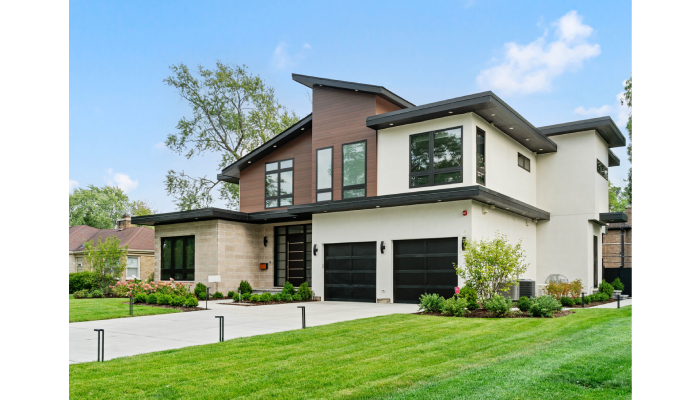
Mixing indoor and outdoor spaces in Florida-style homes creates a beautiful synergy that celebrates nature and the warm climate. Start by embracing biophilic design through natural materials like wood and stone, enhancing that earthy vibe with color palettes inspired by local flora. To maximize natural light, large windows and sliding doors are essential for stunning views. Create seamless transitions with open-concept layouts, utilizing features like folding doors for gatherings. Don’t forget transitional spaces such as covered patios equipped with weather-resistant furnishings. Integrate greenery indoors while planning for accessibility to enhance flow between areas; it’s all about comfort and connection in your delightful abode.
1. Embrace Nature with Biophilic Design
Incorporating biophilic design into your Florida style home designs is a thrilling way to connect the indoors with the outdoors. Start by using natural materials like wood, stone, and bamboo, which not only add warmth but also create a peaceful atmosphere. Picture this: a cozy living room with wooden beams overhead and stone accents that evoke the feeling of being in nature. Choosing furniture made from sustainable materials further aligns your home with eco-friendly values.
To draw attention and encourage relaxation, consider creating natural focal points such as indoor gardens or even a small water feature. Imagine a beautiful indoor garden that becomes a conversation starter, filled with lush greenery that purifies the air and enhances your home’s appeal. Textures also play a significant role; using fabrics and surfaces that mimic nature, like soft cottons and rough stones, adds comfort and visual interest.
Design your spaces thoughtfully, arranging furniture to take advantage of views of trees or gardens, so you can enjoy nature from the comfort of your home. Large indoor plants can make a statement while improving air quality, creating a refreshing ambiance. Don’t forget to use natural light to highlight the organic shapes and materials in your home, making the space feel more alive.
Mirrors can also help create visual connections to the outdoors, reflecting light and views that bring the outside in. To keep your decor fresh and in tune with nature, design indoor spaces that reflect seasonal changes; for example, swapping out decor elements that align with the colors and textures of each season. Lastly, create inviting areas that encourage exploration of the outdoors, like a cozy reading nook by a large window or a seamless transition to an outdoor patio, making your home a true haven that celebrates the beauty of Florida living.
- Incorporate natural elements like stone and wood to foster a sense of tranquility.
- Choose furniture made from sustainable materials to align with nature-friendly design.
- Create natural focal points, such as indoor gardens or water features, to draw the eye.
- Use textures resembling natural surfaces, like rough stone or soft fabrics, to enhance comfort.
- Incorporate large indoor plants to improve air quality and aesthetic appeal.
- Create visual connections to the outdoors with strategically placed mirrors.
- Design indoor spaces that reflect seasonal changes, using decor that can be easily updated to match nature.
2. Maximize Natural Light and Views
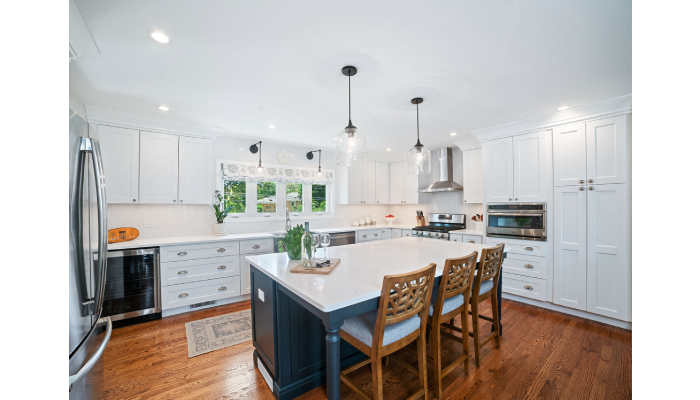
To truly embrace the Florida lifestyle, maximizing natural light and views is essential. Start by placing large windows and sliding glass doors strategically to capture the beauty of sunrises and sunsets, allowing natural light to flood your home and creating breathtaking views. For darker areas, consider adding skylights, which not only brighten but also bring a unique architectural element into your space. Using clear or low-e glass can further enhance energy efficiency while providing unobstructed vistas of your surroundings.
Balconies and terraces can extend your living space outdoors, offering perfect spots for relaxation while enjoying the scenery. Light wells or atriums can also be incorporated to channel sunlight deeper into your home, creating a bright and airy feel. Don’t forget to use translucent window treatments that let in light but maintain your privacy, ensuring your home feels open yet comfortable.
Minimalistic window framing can maximize glass surface area, allowing views to take center stage. Position outdoor patios in sight of main living areas to encourage outdoor enjoyment, imagine sipping coffee on a sunny morning, with easy visibility and access to beautiful gardens. Mirrors placed opposite windows can reflect light and expand the visual space, creating a sense of openness.
Finally, think about landscaping that frames your views, drawing the eye to the natural beauty outside. By focusing on these elements, you can seamlessly blend your indoor and outdoor spaces, enhancing your everyday living experience.
3. Create Seamless Transitions
Designing seamless transitions between indoor and outdoor spaces can transform your Florida-style home into a harmonious retreat. Start by creating outdoor areas that are easily accessible from your main living spaces, enhancing flow and inviting movement. Using similar flooring materials, like tile or natural stone, for both indoor and outdoor areas can significantly boost continuity, making it feel like one cohesive space. Opt for sliding or pocket doors that connect these areas without barriers, allowing for smooth transitions while maximizing views.
A coordinated color palette plays a vital role in maintaining visual harmony. Choose shades inspired by local nature, ensuring a unified look that draws the eye from the inside out. To keep outdoor areas comfortable, consider installing awnings or pergolas that provide sun protection while still feeling open and airy. Your outdoor furniture should echo your indoor style, creating a sense of unity throughout your home.
Design pathways that naturally guide guests from indoors to outdoors, enhancing the overall flow. Built-in planters or seating can help define outdoor spaces while maintaining that connection. For evening gatherings, incorporate lighting that beautifully transitions from the indoors to the outdoors, providing a warm atmosphere for entertaining. By creating multi-functional spaces, such as dining areas that serve both indoor and outdoor purposes, you can maximize usability and enjoyment throughout the year.
4. Incorporate Transitional Spaces
Creating transitional spaces in Florida-style homes is all about blending comfort and style between the indoors and outdoors. Start by designing covered patios or porches that act as cozy buffers, allowing you to enjoy the fresh air while sheltered from the elements. Outdoor living rooms can be designed to feel like extensions of your interior, complete with comfortable furniture and décor that matches your indoor style. Consider adding outdoor rugs and pillows to enhance comfort, making these spaces inviting for family and friends.
To maintain safety without sacrificing the view, glass railings on decks or balconies are a fantastic choice, providing a clear sightline while keeping everyone secure. For year-round enjoyment, think about installing outdoor fans for those hot summer days or heaters for cooler evenings, ensuring your transitional spaces are usable no matter the season. For added warmth and ambiance, incorporating elements like fire pits or outdoor fireplaces can create a cozy gathering spot.
Flexibility is key, so design these spaces with the ability to close off in inclement weather but easily open up when conditions are pleasant. Sliding or bi-fold doors can dramatically merge indoor and outdoor areas, making it feel effortless to transition from one to the other. Enhance the lushness of your transitional zones with vertical gardens or wall planters, bringing a touch of nature right to your door. Finally, invest in multi-purpose furniture that can be easily moved between spaces, ensuring that your home remains functional and stylish wherever you choose to relax.
5. Coordinated Décor and Color Schemes
To create a harmonious blend between your indoor and outdoor spaces, it’s essential to coordinate décor and color schemes. Start by selecting outdoor textiles that mirror your indoor upholstery, ensuring a cohesive look. Consider incorporating colors inspired by the local landscape, such as soft greens, sandy beiges, or vibrant floral hues, which can enhance your connection to nature. Design accent walls in outdoor areas that reflect the tones used indoors, fostering a unified theme throughout your home.
Using similar styles and themes for both outdoor furniture and indoor decor is key to achieving visual harmony. For instance, if your indoor space features a coastal theme, opt for weather-resistant outdoor furniture that echoes that style. Additionally, incorporating the same art or decorative styles in both spaces will maintain visual integrity.
To ensure that the two areas complement each other, use color swatches and consider a signature accent color that ties everything together. Patterns and textures that work well in both environments can add depth and interest, making your spaces feel connected. Finally, decorative elements like lanterns or sculptures can be thoughtfully placed outdoors to echo indoor themes, while plants and flowers visible from both sides can further unify your living experience.
6. Integrate Functional Outdoor Living Features
Integrating functional outdoor living features can transform your Florida-style home into an inviting oasis. Imagine outdoor cooking areas equipped with built-in grills and prep spaces, making it easy to whip up summer barbecues and family feasts. Design dining spaces that mirror the spaciousness of your indoor dining rooms, allowing for large gatherings under the stars. Opt for weatherproof furniture that combines comfort and style, so your outdoor seating is just as cozy as your living room. Create relaxation zones with hammocks or lounge chairs, perfect for unwinding on sunny afternoons. Modular furniture is a smart choice, allowing you to rearrange your outdoor setup to accommodate everything from casual get-togethers to elegant dinner parties. Add lighting solutions like string lights or lanterns to create a warm ambiance as the sun sets. For those who enjoy hobbies outdoors, consider outdoor workspaces that mimic indoor setups, providing a creative escape right in your backyard. Don’t forget about outdoor storage options for easy access to gardening tools or sports equipment. Incorporating built-in seating can maximize your space while adding an element of style. Lastly, an outdoor entertainment system can seamlessly bring the indoor vibe outside, making your gatherings more enjoyable and connected.
7. Utilize Greenery for Connection
Bringing the beauty of nature into your home is easier than you might think. Start by using potted plants in both your indoor and outdoor spaces to create visual links. Imagine looking out from your living room through large windows that frame lush gardens, making the outdoors feel like an extension of your home. Vertical gardens on walls not only save space but also introduce a vibrant touch of greenery indoors, enhancing that connection. Choose plants that thrive in both environments, allowing for a seamless transition. Pathways lined with greenery can guide you effortlessly from your living room to your patio, creating a natural flow. Seasonal plants can change with the times, reminding you of nature’s rhythm. Hanging plants can draw the eye between spaces, adding layers of interest. Consider a plant corridor where indoor greenery flows into outdoor gardens, making your home feel alive. Incorporating herbs and edible plants not only connects your culinary experiences but also enriches your daily life. Finally, nature-inspired artwork can reflect the outdoor beauty within your home, creating a delightful blend that celebrates Florida’s vibrant lifestyle.
8. Consider Climate and Seasonal Use
When mixing indoor and outdoor spaces in Florida-style homes, it’s crucial to consider the climate and seasonal use of your spaces. Start by selecting durable outdoor materials that can withstand the intense humidity and heat of Florida. For example, use composite decking or weather-resistant furniture to ensure longevity. Creating shaded areas, such as covered patios or pergolas, can provide relief from the sun during the sweltering summer months. To enhance comfort on those hot days, consider adding features like misting systems or outdoor fans to keep the air circulating and cool.
Integrating native plants into your landscaping is another smart move, as these species thrive in Florida’s climate and require less maintenance. Design your outdoor areas with safety in mind, ensuring they can be easily closed off during storms. This can include retractable screens or window closures that protect your furniture and plants.
For cooler evenings when you still want to enjoy the outdoors, think about incorporating heating elements like fire pits or outdoor heaters, allowing you to extend your outdoor living season. Additionally, using retractable awnings can provide shade when needed, without obstructing your beautiful views.
Lastly, consider seasonal planting strategies to ensure vibrant outdoor spaces year-round. By carefully planning your outdoor layout and incorporating flexible designs, you can create an inviting atmosphere that adapts to the changing seasons, making your Florida home a true sanctuary.
9. Plan for Accessibility and Convenience
When mixing indoor and outdoor spaces in Florida-style homes, planning for accessibility and convenience is key to creating an inviting environment. Start by designing wide doorways and pathways that allow easy movement between areas, making it effortless for everyone to navigate. Consider incorporating ramps or level transitions to ensure that all guests can enjoy the beauty of your home without barriers. Place frequently used items in easily accessible locations, whether indoors or outdoors, to simplify daily activities. Built-in benches not only provide seating but also enhance accessibility, offering a comfortable spot to relax and socialize.
Smart home technology can elevate convenience, allowing you to control lighting and temperature with just a touch. Ensure outdoor spaces are well-lit for safety during evening gatherings, creating a welcoming atmosphere. Design spaces that cater to multiple activities, such as cozy seating areas that can host both quiet evenings and lively parties. Incorporating easily reachable storage solutions helps minimize clutter, keeping your spaces tidy and functional.
Clear pathways guide guests seamlessly from one area to another, avoiding confusion and enhancing the flow during gatherings. As you plan, consider how movement will occur during events, ensuring that everything is positioned for maximum convenience. This approach not only enhances the enjoyment of your home but also fosters connection among family and friends, creating memorable experiences.
10. Engage Professional Help
Engaging professional help can make a world of difference when mixing indoor and outdoor spaces in Florida-style homes. Start by consulting with landscape designers who can craft outdoor areas that enhance your home’s aesthetic. An architect specializing in indoor-outdoor integration can maximize your design potential, ensuring that every inch of space flows beautifully together. Interior designers are key to creating a cohesive and inviting atmosphere, allowing both spaces to feel like extensions of one another.
When planning your project, consider hiring contractors who have experience with outdoor living spaces. They can provide practical insights and ensure the durability of your designs against Florida’s unique climate. Local experts are invaluable, as they understand the specific design needs and zoning laws in your area, helping you navigate any regulations for outdoor structures.
It’s also wise to consult builders who can offer sustainable materials and construction options, emphasizing eco-friendly practices. Don’t underestimate the power of lighting; working with lighting designers can help you achieve the perfect ambiance for both indoor and outdoor environments.
If you’re looking for a smooth execution, consider engaging a general contractor who can coordinate the entire project, making it seamless from start to finish. Lastly, always seek referrals and reviews from previous clients to ensure you are collaborating with reputable professionals who will bring your vision to life.