
Driving through the Twin Cities or across the snowy plains of Minnesota requires a deep grasp of local traffic laws and seasonal hazards. You often find yourself dealing with unpredictable patches of black ice while trying to maintain a steady pace on the highway.
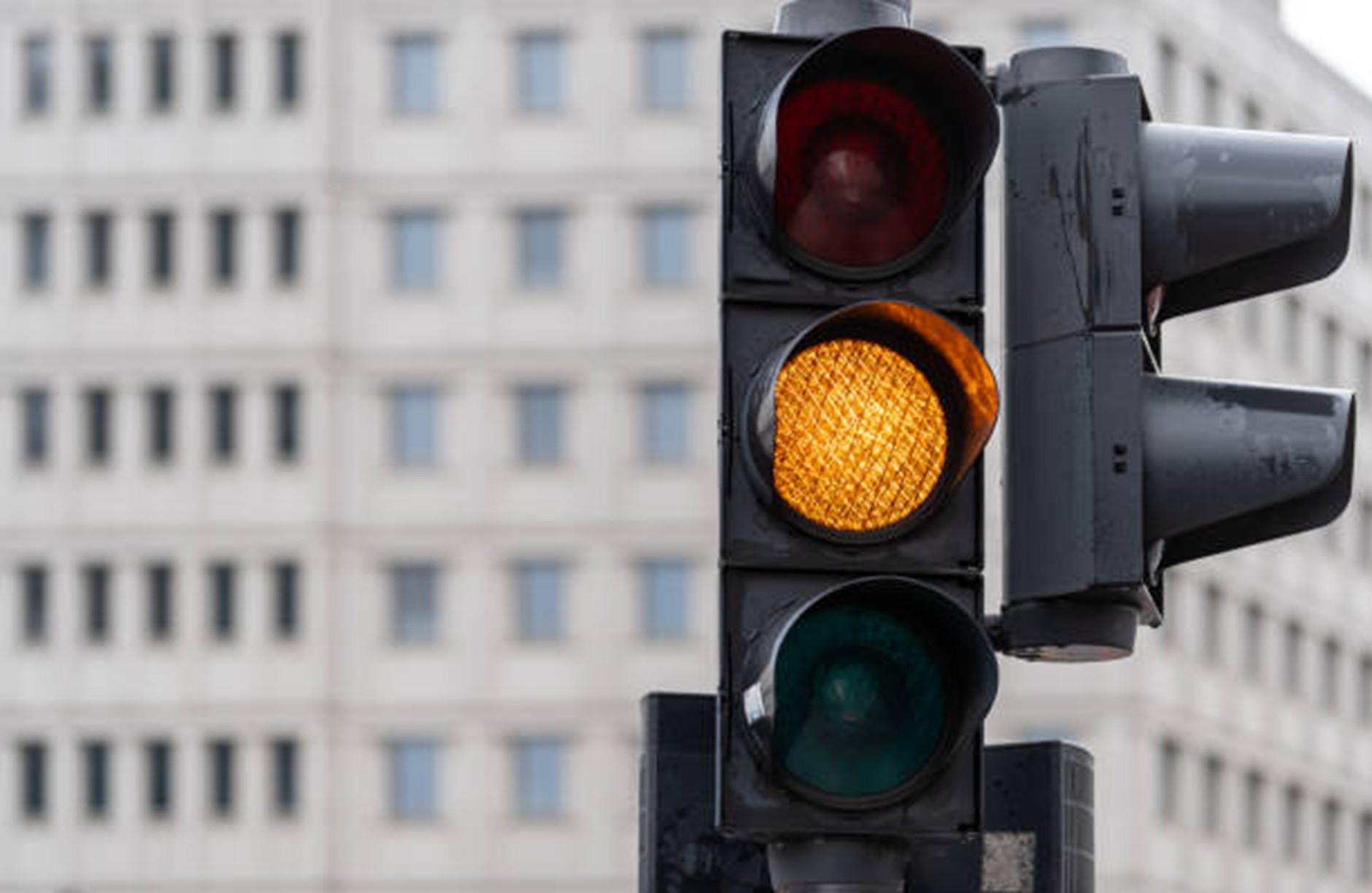
When you are driving in Minneapolis or Saint Paul, the timing of signals becomes a major factor in your daily commute. Local laws emphasize that drivers should stop before entering an intersection. Understanding the duration of a yellow traffic light helps you make split-second decisions that keep everyone on the road much safer.
How to Handle Yellow Lights Safely
Learning how to manage these signals effectively involves a combination of mechanical skill and mental preparation (at least that is what most experts say). These strategies provide the tools needed.
How to Judge the Dilemma Zone
The dilemma zone is that tricky space where you are too close to stop but too far to clear the intersection comfortably. You need to identify a point of no return before you reach the white line.
If you have already passed that marker, it is usually safer to continue at a legal speed rather than braking suddenly. Abruptly stopping in the middle of a busy street often leads to dangerous rear-end collisions with vehicles behind you.
What is the Proper Way to Slow Down?
As you approach a signal that has been green for a long time, you should prepare your foot for the brake pedal. Covering the brake allows you to reduce your reaction time if the signal suddenly changes.
You should avoid the urge to accelerate since trying to beat the timer often results in entering the intersection after the signal turns red. Consistent deceleration gives drivers behind you plenty of warning that you are planning to come to a complete halt.
How to Handle Icy Road Conditions
Winter weather in Minnesota significantly changes how you must approach traffic signals on your route. You cannot rely on standard stopping distances when the asphalt is covered in a layer of slippery sleet or packed snow.
Extending your following distance gives you the extra space required to slide to a stop without entering the intersection illegally. Smart drivers know that physics will always win against tires that are trying to grip a frozen surface.
Why Should Drivers Avoid Speeding Up?
Many people feel the temptation to floor the gas pedal when they see a warning signal flashing ahead of them. This behavior is incredibly risky since it often coincides with pedestrians or cross-traffic starting their own movement cycles.
You might save a few seconds by rushing through the signal, but the risk of a crash is very high. Maintaining a steady and predictable speed is the most effective way to ensure that your vehicle remains under your control. Most accidents at intersections occur because someone tried to outrun a red signal.
Conclusion
The safety of the local roads is a collective responsibility that starts with how you handle the small moments at every intersection. By staying focused and respecting the timing of the signals, you contribute to a much more secure environment for all Minnesota residents. Taking a moment to slow down and stop will always be the smarter choice for both your vehicle and your safety.
Key Takeaways
- Identify a “point of no return” to avoid indecision at intersections.
- Prepare to stop if the green light has been active for a long duration.
- Double your following distance during the snowy Minnesota winter months.
- Maintain a constant speed instead of accelerating to beat the signal.