
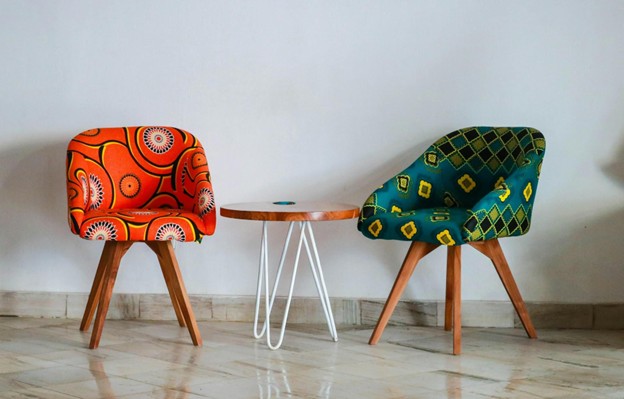
Choosing furniture starts with how you live. Think about where you sit, eat, work, and crash after a long day. Measure each room, note doorways, and sketch traffic patterns so pieces don’t fight for space.
Next, set a simple plan for comfort, storage, and flexibility. Pick a color palette you can live with year-round. Then match materials to the mess level of your home so style and real life stay on the same team.
Plan The Core Pieces By Room
Start by listing what each room must do today and what it might do next year. Living rooms often need lounging, hosting, and device charging. Bedrooms need sleep first, then storage, and a landing spot for clothes.
Map core categories before you shop. A design journal explains that the backbone of a living room usually includes seating, surfaces, accent chairs, storage solutions, and durable materials. Use that as a checklist, then layer rugs, lighting, and art to finish the space.
Keep measurements handy in your phone. When you find a piece you love, compare its dimensions to your plan. If it blocks a doorway or squeezes a walkway, keep looking.
Seating For Daily Comfort
Start with the seat you’ll use the most. A sofa that supports your back and a chair that fits your height will change how you feel at home. Test for seat depth, arm comfort, and whether your feet touch the floor.
If pets or kids share the furniture, choose shapes that forgive. Round corners, tight weaves, and zip-off cushion covers make life easier. You can add a relaxed piece for movie nights, as we can discover more here, and balance it with a structured chair for reading.
Think in zones. A reading chair by a lamp, a loveseat for conversation, and a lounge seat by the TV let everyone sit how they like. Mix one high-back piece with lower profiles so sightlines stay open.
Choose Fabrics That Match Wear And Tear
Fabric choice decides how your furniture ages. If a sofa sits in the busiest room, go for tightly woven upholstery that resists snags. In a calmer space, a soft, textured blend might be worth the extra care.
Look for durability info when you shop. One textile guide notes that the Martindale rating shows how many rubs a fabric can take before it shows wear. Higher numbers generally mean tougher fabric, which is helpful for family rooms and rentals.
Don’t forget care labels. Removable, machine-washable covers save time. If the fabric is dry-clean only, be honest about whether that fits your routine.
Pick The Right Materials For Indoors And Outdoors
Match materials to the environment. Sun, spill risk, and humidity change how long furniture lasts. Put UV-heavy zones and dining areas at the top of your durability list.
When it comes to outdoor pieces, choose weather-smart materials and simple forms that dry fast. Keep cushions with quick-dry inserts and store them when storms roll in. For balconies, folding sets can free up precious space.
Use this quick checklist before you buy:
- Will this finish handle sun, spills, or steam in this spot?
- Can I clean it with my normal products and tools?
- Does the piece have breathable space around it to avoid moisture problems?
Look For Pieces That Do Double Duty
Small homes and busy rooms benefit from furniture that works harder. Storage ottomans hide throws, and coffee tables with shelves tame remotes and books. A drop-leaf dining table shifts from solo meals to group nights in seconds.
Consider modern sleepers and daybeds in multipurpose rooms. A review highlighted a sofa bed that shifts from seat to sleep in under three minutes, proving how far convertibles have come. Test the mechanism in person if you can, so late-night setups stay stress-free.
Modular designs help. Sectionals with movable chaises and stackable stools flex for guests, hobbies, and changing layouts. Start with a base piece, then add modules as your needs grow.
Balance Scale, Flow, And Storage
Scale is about matching furniture size to the room’s volume. A massive sofa in a small den swallows light and air. A tiny couch in a big loft looks lost.
Aim for at least 75 cm of walkway space where people pass often. Keep sightlines to windows clear to make rooms feel bigger. Tall shelves belong on solid walls, while lower pieces suit under windows.
Plan storage where clutter starts. Closed cabinets near the entry, drawers by the sofa, and baskets beside the desk keep surfaces clear. When storage is built in, tidying becomes a two-minute task instead of a weekend project.

Good furniture choices start with real needs, measurements, and durable materials. Choose pieces that fit your routines, support your body, and handle messes. Let fabric, room flow, and storage guide decisions.
Layer character with textures, colors, and multipurpose designs. Test comfort, protect sightlines, and leave breathing room. As life shifts, adapt layouts instead of starting over for a home that works.