
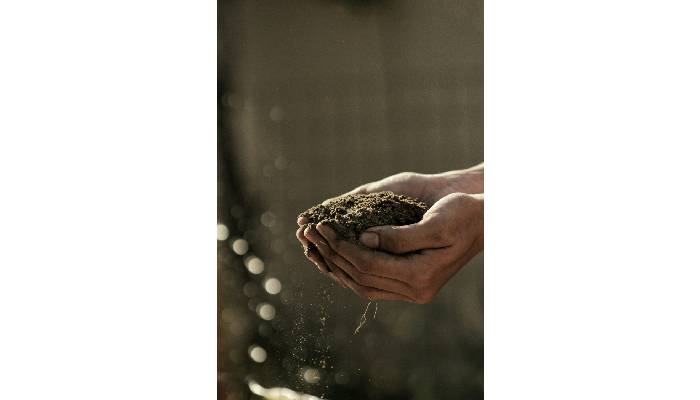
Planning a natural funeral in Southern California can be both an exciting and fulfilling experience, allowing families to honor their loved ones while caring for the environment. Start by exploring options like green burials, where the body decomposes naturally without harmful chemicals. Choose a burial site that aligns with your values, ideally in certified green cemeteries like Joshua Tree Memorial Park or Hollywood Forever Cemetery. Be aware of legal aspects regarding permits and collaborate with funeral homes familiar with eco-friendly practices. Additionally, consider personalized tributes such as tree burials or biodegradable containers to create a meaningful ceremony while embracing sustainability. Engaging intimately in the process makes it even more special.
1. Understanding Natural Burial Options
Natural funeral in Southern California offer a beautiful way to honor loved ones while caring for the environment. Green burials focus on allowing the body to return to the earth without harmful chemicals, utilizing biodegradable materials such as untreated wood or cotton shrouds. Natural burial areas, specifically designated for eco-friendly practices, promote a harmonious balance with nature, enabling the body to decompose naturally.
One fascinating option is tree burial, where families can plant a tree over the grave, creating a living memorial that not only honors the deceased but also contributes to the environment. Simple direct burials are another accessible choice, involving minimal services and costs, ensuring families can celebrate their loved ones without financial strain.
Home funerals are a deeply personal alternative, allowing families to care for the body at home, which can foster healing and connection during a difficult time. For those looking for unique options, aquatic burials provide a way to place remains in water, often in biodegradable containers, promoting marine life and enriching ocean ecosystems.
Creative alternatives, such as memorial reefs, transform remains into artificial reefs, directly contributing to ocean health. Cultural practices can also play a significant role in natural burials, allowing families to reflect personal beliefs through specific rituals or symbols.
It’s essential to check local regulations, as they may dictate what types of natural burials are permitted. Resources like the Green Burial Council offer valuable guidelines and support for families considering these compassionate and eco-friendly options.
2. Choosing the Right Burial Site
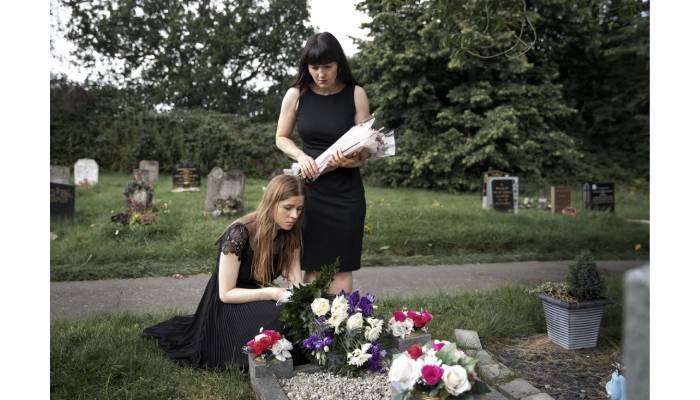
Selecting the perfect burial site is a crucial step in planning a natural funeral in Southern California. Begin by researching green cemeteries that are certified and dedicated to natural burials, ensuring they prioritize ecological integrity. Visiting potential sites allows you to assess the environment and see if it resonates with your personal or family values. Accessibility is another essential factor; choose a location that’s easy for family and friends to visit, fostering ongoing connections with your loved one’s memory.
Evaluate the long-term sustainability of the site, considering how it impacts surrounding wildlife and the local ecosystem. Understanding the maintenance practices of the cemetery is equally important, as you want to ensure they align with eco-friendly values. Community involvement opportunities, such as volunteer days or events, can enhance the memorial experience, making it more meaningful.
Look for burial sites featuring natural landscapes that provide tranquility and beauty, further enriching the experience. Ask about specific burial practices, such as whether graves are hand-dug or if local materials are used, as these details can add a personal touch to the burial. Family plots are a wonderful option too, creating a shared space for future generations to honor family bonds. Finally, reading reviews or testimonials from other families can give you valuable insights into their experiences with specific burial sites, helping you make a more informed choice.
3. Legal and Administrative Considerations
When planning a natural funeral in Southern California, understanding the legal and administrative landscape is crucial. Begin by familiarizing yourself with local laws regarding natural burials, as these can differ significantly from one area to another. It’s essential to find out what permits you will need for burial, which may involve coordination with local health departments. Consulting with funeral homes that specialize in green practices can help you navigate these legal requirements effectively.
Prepare essential documentation ahead of time, including death certificates and burial permits, to streamline the process. Additionally, check if the cemetery has specific rules about the types of caskets or containers that are allowed, as this can vary widely among different locations. Some cemeteries might also have a waiting period before burial, which is an important factor to consider in your planning.
Open discussions with family members about any specific wishes or legal considerations can help avoid misunderstandings later. Keeping a record of all communications and agreements with funeral homes and cemeteries is advisable for transparency. Finally, if you feel uncertain about any legal aspects, seeking legal advice can provide peace of mind, ensuring that every detail aligns with state and local laws.
4. Eco-Friendly Practices for Funerals
When planning a natural funeral in Southern California, embracing eco-friendly practices can make a meaningful impact. Start by selecting biodegradable containers crafted from materials like bamboo, recycled paper, or untreated wood. These choices not only respect the earth but also symbolize a return to nature. For body preparation, consider using natural fabrics for shrouds, steering clear of synthetic materials that linger in landfills. Implementing a no-embalming policy is another step towards environmental consciousness, allowing the body to be preserved through natural cooling methods.
Flowers play a role too; opt for locally sourced, eco-friendly blooms to minimize transportation-related carbon emissions. Invitations and memorials can also be digital, significantly reducing paper waste. Encourage guests to bring potted plants instead of cut flowers, which can thrive long after the service, fostering lasting memories while promoting sustainability.
Consider integrating eco-conscious memorial services that highlight nature, perhaps by choosing a beautiful park or garden as the setting. Activities such as tree planting or community service can also be incorporated into the memorial, honoring your loved one’s legacy while giving back to the earth. Finally, promote carbon offsetting for travel by encouraging carpooling or the use of public transportation, making the journey to the funeral both meaningful and mindful.
- Choose biodegradable containers made of materials like bamboo, recycled paper, or untreated wood.
- Consider using natural fabrics for shrouds, avoiding synthetic materials that don’t decompose.
- Implement a no-embalming policy to reduce chemical use, preserving the body through natural cooling methods.
- Select eco-friendly flowers that are locally sourced, reducing the carbon footprint associated with transportation.
- Utilize digital invitations and memorials to minimize paper waste during the planning process.
- Encourage guests to bring potted plants instead of cut flowers, promoting sustainability and lasting memories.
- Explore options for eco-conscious memorial services that highlight nature and the environment.
- Promote carbon offsetting for travel to the funeral by encouraging carpooling or using public transport.
- Consider a natural setting for memorial services, like parks or gardens, to enhance the connection with nature.
- Incorporate activities like tree planting or community service into the memorial to honor the deceased’s legacy.
5. Exploring Human Composting
human composting, also known as terramation, is a pioneering approach to end-of-life care that is gaining traction in California. This innovative process transforms human remains into nutrient-rich soil in approximately 30 to 45 days. It’s not just a method; it’s a celebration of life that enriches the earth and supports new growth. Families can participate in this meaningful process, choosing plants to nurture in the composted soil or even donating it to local farms or conservation projects, fostering community agriculture.
Understanding the legal framework surrounding human composting is crucial, as it ensures compliance with state regulations. In California, human composting is legal, making it a viable alternative to traditional burial and cremation options. Families can create personalized memorials, such as planting a tree or establishing a garden, using the composted remains. This not only honors their loved one but also contributes positively to the environment.
Additionally, there are memorial services available to accompany human composting, allowing for a heartfelt farewell ceremony. Families who have chosen this path often share inspiring stories about their experiences, reflecting on how this method aligns with their values regarding sustainability and environmental impact. Overall, human composting presents a unique and eco-friendly option for those looking to make a lasting difference even after death.
6. Planning and Personalizing the Service
Planning a natural funeral is a wonderful opportunity to celebrate a loved one’s life in a way that truly reflects their values and interests. Involve family members in the planning process to ensure that the service resonates with everyone. Consider unique themes that highlight the deceased’s passions, whether it’s nature, art, or their community connections. Incorporating music or readings that held special meaning for them can enhance the personal touch and evoke cherished memories.
Creating a memory table or display is another great way to showcase their life and achievements, allowing attendees to engage with their story. Use biodegradable materials for programs and decorations to align with eco-friendly practices, reinforcing the commitment to a natural burial.
Encourage attendees to share memories or stories during the service, fostering connection and remembrance among all who gathered. Choosing an outdoor venue that complements natural burial practices can deepen the connection to nature, creating a serene atmosphere.
Consider providing personalized mementos, like seed packets or small plants, for guests to take home, serving as a living tribute. Incorporating rituals that honor the deceased, such as a moment of silence or planting a tree, can add a meaningful layer to the service. Finally, planning for a post-service gathering gives family and friends a space to connect and support one another, promoting healing and unity in their shared loss.
7. Costs and Financial Planning for Natural Funerals
Understanding the costs associated with a natural funeral is crucial for effective financial planning. Research shows that natural burials can often be more affordable than traditional ones, but prices can vary widely based on location and services. For instance, human composting may range from $5,000 to $7,000. To avoid surprises, gather quotes from multiple providers to compare pricing for services, caskets, and burial fees.
Pre-planning is a smart strategy; it locks in current prices and can relieve financial burdens on family members later. Many funeral homes offer financing options, including payment plans or assistance programs, which can be a great help. However, be mindful of potential additional costs, like transportation fees or special requests for biodegradable materials.
Discussing financial planning with family is essential. Ensure everyone is on the same page regarding contributions to avoid confusion or disputes down the line. Look into grants or funds specifically for natural burials that might help offset costs. Additionally, natural burials often come with long-term savings, such as lower maintenance and land use fees. Transparency about costs fosters trust and eases the planning process for everyone involved.
Frequently Asked Questions
What is a natural funeral, and how does it differ from a traditional funeral?
A natural funeral focuses on eco-friendly practices, like using biodegradable materials and avoiding embalming. Unlike traditional funerals, which may involve costly caskets and formal ceremonies, natural funerals emphasize simplicity and a connection with nature.
Can I have a natural funeral in any cemetery in Southern California?
Many cemeteries in Southern California offer green burial sections specifically for natural funerals. It’s important to check with each cemetery to see if they support these eco-friendly options.
What types of services can I include in a natural funeral?
You can personalize a natural funeral by including services like home memorials, simple ceremonies in nature, or even a gathering with friends and family to celebrate the life of the loved one in a heartfelt way.
How can I ensure my loved one’s body is handled in an environmentally friendly way?
To ensure an eco-friendly handling, choose a funeral home that specializes in natural burials, request a biodegradable casket or shroud, and consider options like home preparation for the body before the burial.
What should I consider when choosing a location for a natural funeral in Southern California?
Consider locations that hold personal significance, like parks or gardens, and check if they allow natural burials. Also, think about accessibility for family and friends, and whether the setting reflects the personality and wishes of your loved one.