
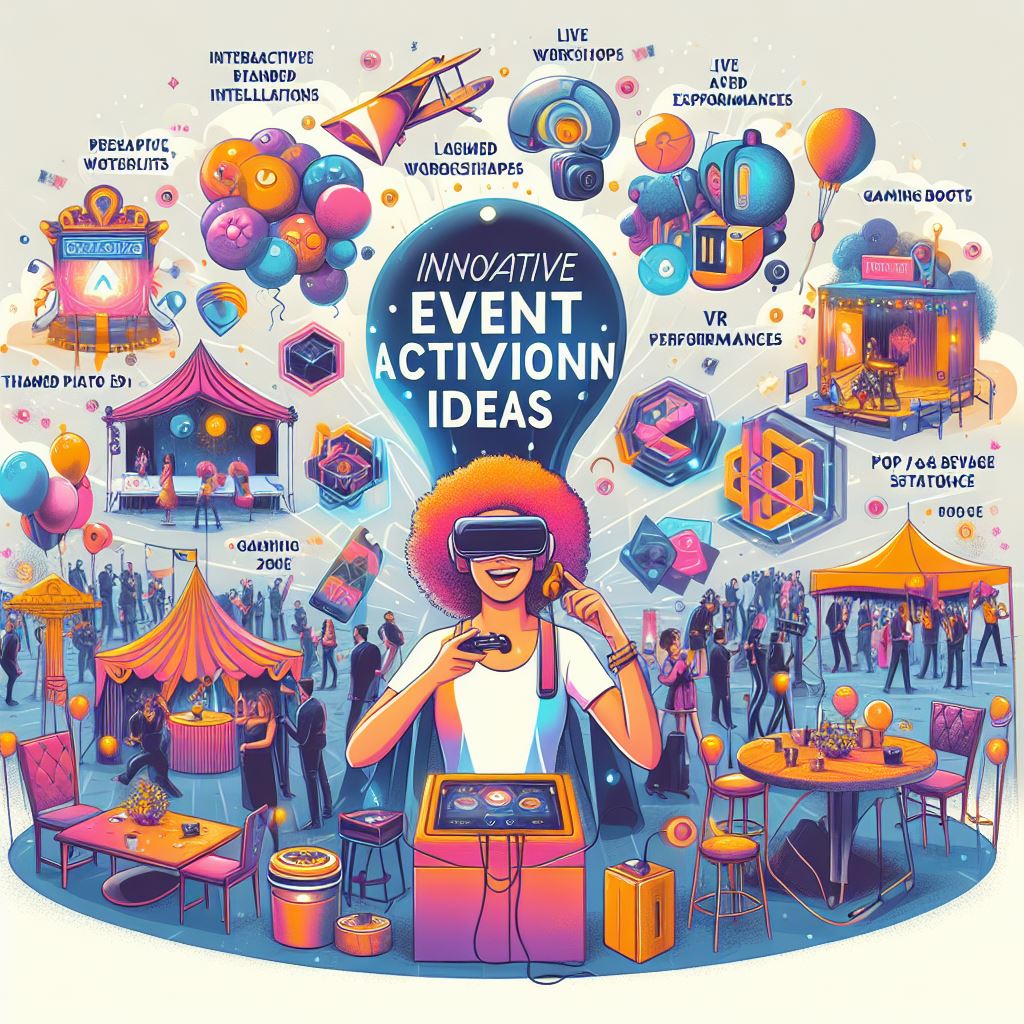
A successful brand activation event connects a company’s message with real people in a memorable way. It turns a brand from a name into an experience that sparks interest and builds trust. To plan an unforgettable brand activation event, a company must create an experience that feels personal, interactive, and aligned with its values.
The most effective events focus on clear goals, meaningful engagement, and creative design. They use sensory details, interactive spaces, and visual elements that draw attention. Some brands use eco-friendly custom inflatables to create eye-catching displays that reflect sustainability while standing out in crowded spaces. These details help the brand stay top of mind long after the event ends. Providing an option to make your own t shirt – where attendees can choose colors and styles while all visuals remain based on the company’s logos – adds a personalized yet cohesive branding element.
Each decision, from location to layout, should serve a purpose and connect back to the brand story. A thoughtful plan helps the event run smoothly and deliver measurable results that support long-term growth.
Key Takeaways
- A strong brand activation creates lasting connections through real experiences.
- Clear goals and creative design lead to higher engagement.
- Memorable details help the brand stay relevant beyond the event.
Key Steps to Planning an Unforgettable Brand Activation Event
Effective brand activation requires clear goals, a deep understanding of the target audience, smart logistical choices, and creative experiences that reflect the brand’s personality. Each step should connect strategy with execution to create an event that builds brand awareness and leaves a lasting impression.
Define Clear Objectives
A successful activation begins with specific and measurable objectives. The team should decide what the event must achieve—such as increasing brand awareness, introducing a new product, or strengthening customer loyalty. Each goal must align with the company’s broader marketing strategy.
Objectives help guide every decision, from budget allocation to content design. For example, a goal to drive product trials might focus on interactive demos, while a goal to raise awareness might emphasize media coverage and social engagement.
Clear objectives also make post-event evaluation easier. Teams can track data such as attendance, engagement rates, or conversions. This evidence shows whether the event met expectations and supports future planning.
Understand and Segment Your Audience
Knowing the audience shapes every aspect of the activation. The team should analyze demographics, interests, and behaviors to identify who the event must reach. A message that appeals to young professionals may not resonate with families or older consumers.
Segmentation allows brands to tailor experiences for different groups. For instance, a tech company might design one experience for early adopters and another for casual users. This approach makes the event more relevant and personal.
Direct feedback, surveys, and social data help refine audience insights. These details reveal what motivates participants and what type of brand experiences attract them. As a result, the event connects more effectively and increases brand loyalty.
Select the Ideal Location and Timing
The right location sets the tone for the activation. It should reflect the brand’s identity and be accessible to the intended audience. A premium brand might choose an upscale venue, while a youth-focused brand might use a public space or pop-up site.
Timing also affects success. The event should occur at a moment that fits audience habits and seasonal trends. For example, a beverage brand might launch during summer festivals to reach consumers in a relaxed setting.
Practical factors matter too. The team must confirm permits, traffic flow, and logistics early. A well-chosen location and time help maximize attendance and create a smooth experience.
Design Immersive Brand Experiences
Memorable activations rely on experiences that engage the senses and emotions. The design should reflect the brand’s values and message in a clear, authentic way. Interactive zones, product trials, and live demonstrations encourage participants to connect directly with the brand.
Storytelling helps make the experience meaningful. Instead of passive displays, the event should invite guests to take part in something that represents the brand’s purpose. This approach builds stronger emotional connections and deeper recall.
Every element—from visuals to sound—should feel consistent with the brand identity. A cohesive experience increases brand awareness and encourages participants to share their impressions both online and offline. A functional experience is a necessity too. Be sure to also work with a professional audio-visual company to ensure there are zero hiccups at the event.
Maximizing Engagement and Building Lasting Impact
Strong engagement and long-term impact depend on how well a brand connects with its audience before, during, and after the event. Strategic use of social media, thoughtful design choices, measurable data, and continued communication all help increase brand awareness and loyalty.
Leverage Social Media and Influencer Partnerships
Social media extends the reach of an event far beyond its physical space. Brands should create short, shareable content such as behind-the-scenes clips, live updates, and attendee reactions. These posts encourage interaction and make the audience feel part of the experience.
Influencers can play a major role by sharing authentic stories about their experiences. Their followers often trust their opinions, which helps build brand credibility and awareness.
To increase visibility, brands can use event-specific hashtags and encourage user-generated content. A simple contest or giveaway tied to posts can motivate more participation. This approach turns attendees into active promoters who spread the message across multiple platforms.
Utilize Branded Merchandise and Custom Decor
Physical design elements help shape how people remember an event. Branded merchandise and decor should reflect the event’s theme and values. Items such as reusable water bottles, tote bags, or small tech accessories give attendees something useful that keeps the brand visible long after the event ends.
Custom decor, including banners, lighting, and interactive displays, can create a strong visual identity. Inflatable displays or props from custom inflatables can make a space more eye-catching and memorable.
Each design choice should serve a purpose—either to guide movement, highlight products, or encourage photo opportunities. These moments often translate into organic social media exposure that strengthens brand awareness.
Capture Data and Measure Success
Data collection helps brands understand what worked and what needs improvement. Registration forms, digital check-ins, and post-event surveys can reveal who attended, what they enjoyed, and how they interacted with the brand.
Metrics such as engagement rate, social mentions, and lead conversions help measure performance. Tracking these numbers provides clear feedback on the event’s success.
Brands should compare results against their original goals. For example, if the goal was to increase awareness, measuring social reach and media impressions will show progress. This insight allows teams to refine future strategies and maintain consistent growth.
Foster Post-Event Brand Loyalty
The relationship with attendees should not end once the event closes. Follow-up emails, thank-you messages, and exclusive offers help keep the connection alive. These gestures remind participants that their presence mattered.
Sharing event highlights through photos or short recap videos can also re-engage the audience. It gives them a reason to revisit the experience and share it with others.
Brands that continue meaningful communication after an event often see stronger loyalty. Consistent updates, early invitations to future events, and personalized outreach help turn one-time guests into long-term supporters who trust and advocate for the brand.
Conclusion
A strong brand activation event connects a company’s message with real people through direct experiences. It depends on clear goals, smart planning, and consistent follow-up to measure results and maintain audience interest.
Each stage—from concept to post-event review—should serve a purpose. Teams that track feedback and performance data can adjust future events for better outcomes and stronger engagement.
Successful activations rely on creativity supported by structure. They help audiences see the brand’s value in action and remember it long after the event ends.