
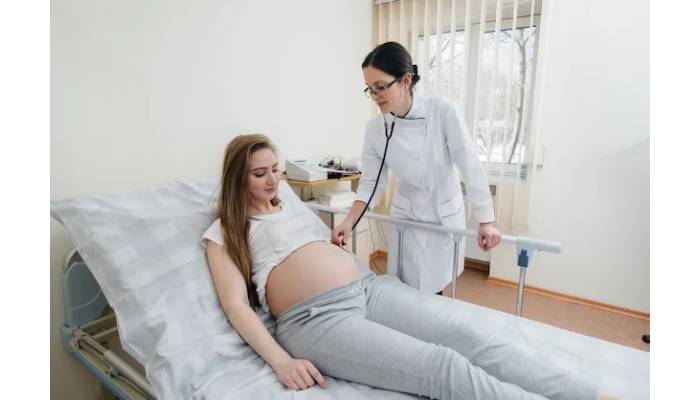
Preparing for Asian heritage egg donation involves several important steps that ensure donors are physically and emotionally ready. First, it’s essential to understand the egg donation process, which provides valuable help to individuals facing infertility issues. Donors should typically be between 20 and 30 years old, maintaining good health with an appropriate BMI while avoiding harmful substances like tobacco and alcohol. Maintaining a balanced diet and regular exercise can also benefit health. Additionally, once you apply to an agency, thorough medical screenings will follow. Finally, emotional support is crucial, talking through feelings with trusted friends or counselors can make the experience more meaningful and fulfilling.
1. Understanding the Egg Donation Process
Asian heritage Egg donation is when a woman donates her eggs to help another individual or couple conceive. This process plays a vital role in assisted reproduction, especially for families struggling with infertility. For many, the hope of having children can hinge on the availability of healthy donor eggs. In Asian communities, where cultural preferences often emphasize ethnic matching, the significance of egg donation becomes even more pronounced. There is a notable demand for Asian egg donors, driven by the desire of intended parents to maintain cultural heritage and genetic ties. However, misconceptions about egg donation abound; some believe it is a simple decision without emotional implications. In reality, it’s a complex journey involving various arrangements, such as anonymous or known donors. The egg donation timeline typically involves several steps, starting from the application process through medical screenings to hormonal treatments and finally, egg retrieval. Egg donation agencies play a crucial role in guiding donors through this process, ensuring that all aspects are handled professionally. Understanding how egg donation fits into broader fertility treatments can also be enlightening, as it highlights the collaborative efforts involved in helping families achieve their dreams. Past donors often share testimonials that reflect their motivations and experiences, revealing a mix of pride and fulfillment in contributing to someone else’s family.
 2. Eligibility Criteria for Asian Egg Donors
 2. Eligibility Criteria for Asian Egg Donors
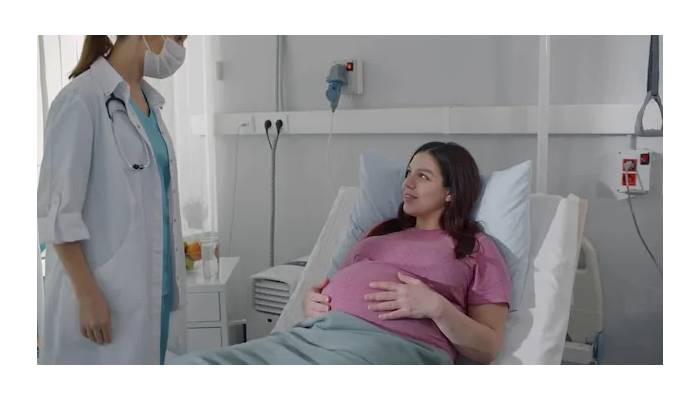
To be considered as an egg donor, certain eligibility criteria must be met. Generally, donors are required to be between the ages of 20 and 30. This age range is crucial because younger women tend to have healthier eggs, which can significantly improve the chances of a successful pregnancy for intended parents.
Health requirements play a vital role in the selection process. Donors need to provide a comprehensive medical history and undergo various health screenings. These evaluations help ensure that the donor is in good physical and mental health, which is essential for the safety and efficacy of the donation process. A healthy Body Mass Index (BMI), typically between 19 and 29, is also a key factor in determining a donor’s overall health.
Psychological evaluations are another important step in the eligibility assessment. These evaluations help gauge a donor’s mental readiness for the donation process and its potential emotional implications. Understanding the mental aspect of egg donation is crucial, as it can have lasting effects on the donor.
Family history is also considered during the selection process. A thorough review of a donor’s family medical history can reveal any genetic disorders or conditions that may affect the health of future children. This information is critical for intended parents who are particularly concerned about genetic compatibility.
3. Steps to Prepare for Egg Donation
Preparing for egg donation involves several important steps. Start with comprehensive research on the process to understand what to expect. This includes familiarizing yourself with the qualifications, medical screenings, and the entire donation timeline. Consulting with a medical professional is crucial, as they can offer personalized advice tailored to your health and lifestyle. Maintaining a healthy lifestyle is also key; focus on a balanced diet, regular exercise, and staying hydrated. Avoid harmful substances like tobacco and alcohol that can affect your egg quality.
Building a support network of friends and family can provide emotional and practical support throughout your journey. It’s essential to understand the emotional aspects of egg donation, as it may bring challenges both during and after the process. Consider discussing your feelings with someone you trust or a mental health professional.
Financial considerations should not be overlooked. Budget for time off work and any associated costs. Preparing for medical screenings is another important step; these will assess your health and suitability as a donor. Make sure to gather all necessary documents for the application process, as thorough preparation can streamline your experience. Set personal goals and motivations for becoming a donor, as this can help you stay focused and committed. Recognizing the potential emotional challenges will help you navigate this journey more effectively.
- Initial research about the egg donation process and what to expect
- Consultation with a medical professional for personalized advice
- Maintaining a healthy lifestyle leading up to the donation
- Building a support network of friends and family
- Understanding the emotional aspects of egg donation
- Financial considerations and budgeting for time off work
- Preparing for medical screenings and what they entail
- Gathering necessary documents for the application process
- Setting personal goals and motivations for becoming a donor
- Recognizing the potential for emotional challenges during and after donation
4. Overview of the Egg Donation Procedure
The egg donation process begins with an application through an agency. This includes providing a detailed medical history and personal background. Once accepted, donors undergo medical screenings to evaluate their health and suitability. Following this, hormonal treatments commence, typically lasting around ten days. These medications stimulate the ovaries to produce multiple eggs, which can lead to physical changes like mood swings and bloating. Regular monitoring appointments are crucial during this phase, allowing healthcare professionals to track how the body is responding to the hormones.
When the follicles are ready, the final step is the egg retrieval, a minor outpatient procedure that usually takes about 20 minutes. During this procedure, sedation or anesthesia is used to ensure comfort. After the retrieval, donors can expect some recovery time, which may include mild cramping and fatigue. The healthcare team provides support throughout the entire process, ensuring donors are informed and comfortable. Following the donation, donors will have follow-up appointments to check on their health and recovery.
5. Emotional Readiness for Donors
Donating eggs is not just a physical process, it carries emotional complexities that can be profound. Before making this significant decision, it’s essential to engage in self-reflection. Consider your motivations and feelings about the potential outcomes, such as the joy of helping someone else achieve parenthood, but also the emotional implications for yourself. Talking with family and friends about your thoughts can provide perspective and support.
It’s also wise to seek guidance from mental health professionals who can help you navigate the emotional landscape of egg donation. They can assist in understanding any feelings of attachment or loss that may arise after the donation. Many donors report experiencing a mix of pride and sadness, especially when they think about the potential child conceived from their eggs.
Developing coping strategies is crucial too. Whether through journaling, meditation, or engaging in hobbies, find what centers you during this time. Joining support groups specifically for egg donors can also be beneficial. Hearing personal stories from others who have walked a similar path can offer comfort and understanding.
Resources for mental health support are available, so don’t hesitate to reach out if you find yourself struggling with your emotions. The journey of egg donation is unique, and being emotionally prepared can make a significant difference in how you experience the process.
6. Legal Aspects of Egg Donation
Understanding the legal aspects of egg donation is crucial. The legal framework can vary widely depending on where you live, as laws related to egg donation differ by state. It’s important to review contracts carefully, as they outline the rights and responsibilities of both the donor and the recipients. Key elements to look for include the donor’s rights to anonymity, compensation details, and any potential future claims regarding parental rights. Donors typically relinquish any claim to the eggs and any resulting children, so understanding these terms is essential.
Confidentiality is another significant issue. Many donors may wish to remain anonymous, while recipients might want to know more about the donor’s background. Clearly defined terms regarding anonymity should be discussed and documented in the contract. Legal advice before signing any agreement is highly recommended, as it helps clarify potential legal issues that could arise after the donation.
For example, a donor might face concerns about future contact from recipients or children born from the donated eggs. Additionally, donating eggs internationally introduces complexities related to different legal systems and regulations, making it vital to be informed about both local and international laws.
The role of egg donation agencies is also significant in ensuring legal compliance. These agencies often provide legal support to navigate the contractual landscape and protect the interests of all parties involved. Prioritizing these legal aspects can help ensure a smoother donation experience.
7. Financial Compensation for Egg Donors
Financial compensation for egg donors can vary widely, typically ranging from $8,000 to $12,000, depending on several factors. These include the donor’s experience, education level, and the specific agency they work with. Agencies often cover various expenses such as travel, medical exams, and sometimes even lost wages for time taken off work. Donors usually receive a portion of their compensation upfront, with the remainder paid after the egg retrieval process is complete. It’s crucial for donors to understand the tax implications of these payments, as they may be considered taxable income. Beyond financial rewards, many egg donors also appreciate the emotional fulfillment of helping others start families. Donors should be mindful of the potential need to take time off work during the donation process and negotiate compensation accordingly. Comparing offers from different agencies can help ensure that donors receive fair compensation for their contributions. Experience and education often play significant roles in determining compensation. Some donors have shared that while financial incentives are appealing, the emotional aspect of their contribution is what they value the most.
8. The Impact of Egg Donation on Families
Egg donation can profoundly change the lives of intended parents, offering them a pathway to build the family they have always dreamed of. For many couples facing infertility, finding a suitable egg donor is a crucial step in their journey to parenthood. The stories from families who have benefited from egg donation often highlight the joy and fulfillment that comes with welcoming a child into their lives. These personal accounts reveal how the gift of eggs can transform not just a couple but extend to siblings and even the larger family network, enriching their relationships and creating a new sense of belonging.
The cultural significance of maintaining ethnic heritage through egg donation cannot be overlooked. Many intended parents seek Asian egg donors specifically to preserve their cultural and genetic lineage, which adds an additional layer of meaning to the donation process. This desire to connect with one’s roots can foster a sense of identity in the child, making the role of the donor even more impactful.
Donors and recipients often share a unique bond, even if they do not have direct contact. The possibility of future communication can be a source of comfort for both parties, as it opens the door to a deeper understanding of the child’s background. While the legal framework typically keeps the donor’s identity confidential, many donors feel a sense of pride in their contribution, knowing they have played a role in helping a family grow.
As egg donation continues to evolve, future trends may lead to more openness between donors and families, potentially allowing for greater connections. The long-term implications of egg donation extend beyond the immediate family, influencing siblings and extended family dynamics as new members are welcomed into the fold. Overall, the impact of egg donation resonates through generations, highlighting the profound gift of life and connection.
Frequently Asked Questions
What should I know about the egg donation process before getting started?
Before starting the egg donation process, it’s important to understand how it works. You’ll undergo medical evaluations, including blood tests and an ultrasound. Also, learn about the medications you will take and the timeline involved.
How can I prepare my body for egg donation?
To get your body ready for egg donation, maintain a healthy lifestyle. This includes eating well, staying hydrated, and exercising regularly. Avoid smoking and limit alcohol intake as these can impact your egg quality.
What emotional support is available during the egg donation journey?
Emotional support is vital throughout the egg donation journey. You can speak with counselors, connect with support groups, or talk to your friends and family. Many clinics also offer resources to help you deal with emotional ups and downs.
What are the potential risks involved in egg donation?
Like any medical procedure, egg donation has risks. These can include ovarian hyperstimulation syndrome, infections, or complications from the egg retrieval procedure. It’s essential to discuss these risks with your healthcare provider.
How do I find a reputable clinic for egg donation?
To find a trustworthy clinic for egg donation, start by researching online reviews and testimonials. Look for clinics with accreditation and experienced staff. You can also ask for recommendations from medical professionals or others who have gone through the process.
TL;DR This blog post outlines the essential steps for preparing for Asian heritage egg donation. It covers the egg donation process, eligibility criteria for Asian donors, and preparation steps like health maintenance and emotional readiness. The donation procedure is detailed, including application, screening, hormonal treatment, and egg retrieval. Legal considerations, financial compensation, and the impact of donation on families are also discussed, emphasizing the importance of thorough preparation for a positive experience.