

Visiting an orthopedic specialist for the first time doesn’t have to be overwhelming if you’re prepared. Start by gathering important documents, such as a government-issued ID and your insurance card, ensuring the specialist is in-network. Compile your medical history, including past treatments and current medications, to give context during discussions. Jot down questions you want to ask about your symptoms and treatment options. Make sure to arrive early, check directions and parking details ahead of time. It’s crucial to communicate any allergies or concerns with the doctor too. This preparation really helps in understanding your health journey better during the visit.
1. Gather Necessary Documentation
Before your first visit to a New Orleans orthopedic specialists, it’s important to gather all necessary documentation to ensure a smooth and effective appointment. Start with a government-issued ID, such as a driver’s license or passport, to confirm your identity at the office. Having your insurance card ready is also essential; check if the orthopedic specialist is in-network to avoid unexpected costs that could arise from out-of-network visits.
Next, compile your medical records, including details of previous treatments, surgeries, and imaging reports like X-rays or MRIs. This information gives your specialist valuable context about your current condition. Additionally, create a list of any known allergies, especially to medications or materials, to inform the specialist right away.
If you have seen other orthopedic specialists, prepare a list of those visits, including their contact information, as this can help your new doctor understand your history better. Summarize any treatments you have previously undergone for your current condition, including how you responded to those treatments, to give the specialist a clearer picture.

2. Prepare Your Medical History
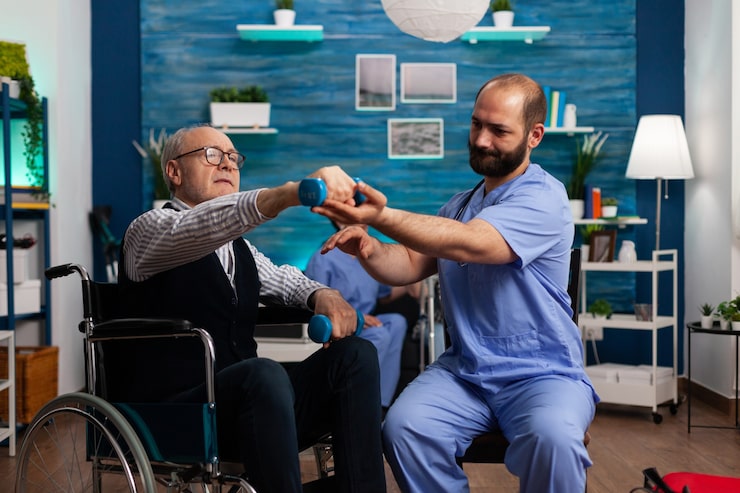
Being prepared to discuss your medical history is crucial for your visit to an orthopedic specialist. Start by gathering details about any chronic conditions you have, as these may relate to your orthopedic concerns. Make a list of past injuries or surgeries, especially those involving your joints, bones, or muscles. If there is a family history of orthopedic issues, noting this can also aid the specialist in understanding your situation better.
Take into account any significant changes in your health or lifestyle since your last healthcare visit. This could include weight changes, new exercise routines, or other factors that might affect your orthopedic health. Document any recent symptoms you’ve experienced, including their duration and severity, to provide a clearer picture of what you’re dealing with.
It’s also helpful to prepare to discuss your lifestyle habits, such as your exercise routines or any activities that might be impacting your joints. If you’re seeing other healthcare providers, mention them too, as they may have insights into your orthopedic condition. Don’t forget to include any alternative treatments you have explored, like physical therapy or acupuncture, and how effective they were for you.
Finally, consider bringing a family member or friend to your appointment. They can offer additional context about your health history and help you remember important details during the discussion.
- Be ready to discuss your complete medical history, including any chronic conditions that might be relevant to your orthopedic issues.
- List any previous injuries or surgeries, particularly those related to your joints, bones, or muscles.
- Note any family history of orthopedic issues, as this information may help the specialist in their evaluation.
- Write down any significant changes in your health or lifestyle since your last visit to a healthcare provider.
- Include any relevant information about past treatments, including what worked and what did not.
- Keep track of any recent symptoms you have experienced, including their duration and severity, to provide detailed information to your specialist.
- Prepare to discuss your lifestyle habits, such as exercise routines or activities that may impact your orthopedic health.
3. List of Questions to Ask
Preparing a list of questions can help you get the most out of your visit to the orthopedic specialist. Start with inquiries about your specific condition: “What specific condition do you believe I have, and what are the potential causes of my symptoms?” Understanding the root cause of your discomfort is essential. Next, ask about the diagnostic process: “What tests will I need, and how will they help in diagnosing my condition?” This will clarify what to expect and why certain tests are necessary.
When it comes to treatment options, it’s crucial to be informed: “What are the different treatment options available for my condition, and what are the pros and cons of each?” This can guide you in making decisions that align with your preferences. Additionally, inquire about the decision-making process: “How do you determine which treatment is best for me, and what factors do you consider?” This helps you understand how your unique situation is evaluated.
Recovery timelines are also important, so ask: “What is the expected timeline for recovery, and how can I help facilitate this process?” Knowing what to anticipate can ease some concerns. You might also want to consider lifestyle factors: “Are there any lifestyle changes I should implement to support my treatment?” This can empower you to take an active role in your health.
If symptoms worsen, it’s good to have a plan: “What should I do if my symptoms worsen after our appointment?” Follow-up care is equally important, so inquire: “How often will I need follow-up appointments, and what will they involve?” Lastly, don’t forget to ask about potential risks: “What are the potential risks or side effects associated with the recommended treatments?” It’s essential to have all the information you need. Finally, ensure ongoing communication: “Can I reach out to you or your office if I have questions after our appointment, and what is the best way to do so?” This will help you feel supported even after you leave the office.
4. Plan Your Visit Logistics
Arriving at your orthopedic specialist’s office prepared can make a significant difference. Aim to arrive at least 20 minutes early. This gives you enough time to complete any paperwork and settle in without feeling rushed. Before your visit, double-check the office’s address and confirm your appointment time to avoid any confusion.
Parking can sometimes be a hassle, so take a moment to verify details about parking availability and costs. This can save you from unnecessary delays on the day of your appointment. It’s also wise to use a GPS or map app for accurate directions to the office. If you plan to use public transportation, ensure you know your route and check the schedule to arrive on time.
To streamline your visit, consider filling out any necessary paperwork in advance, if possible. This will help save time during your appointment. If you are bringing someone for support, coordinate with them ahead of time. Ensure they are aware of the appointment time and location.
If you require mobility aids, don’t forget to bring them along to assist you in getting around the office. Additionally, if you need translation services, confirm in advance that they can be provided during your visit. Lastly, think about documenting your visit. Whether using a voice recorder or taking notes, capturing important details can help you remember what was discussed.
5. Discuss Treatment Options
Be open to both surgical and non-surgical treatment options, as many orthopedic specialists prioritize conservative care first. It’s essential to ask for a detailed explanation of each treatment option you may be considering, including how they work and their success rates. Inquire about any alternative therapies that could benefit your condition, such as physical therapy or braces. Also, understand that some treatments may require lifestyle changes, so be ready to discuss your daily habits and routines with the specialist.
You should ask how long to expect before seeing results from the recommended treatment. Make sure to discuss any potential side effects or complications associated with the proposed treatments to help you make informed decisions. It’s also important to request information about how treatment may impact your daily activities, including work and hobbies.
Inquire about the role of physical therapy in your treatment plan, including how often you would need to attend sessions. Additionally, ask if there are any clinical trials or research studies that might be relevant to your condition. Finally, discuss the importance of follow-up appointments and what they will entail as part of your treatment plan.
6. Communicate Concerns
It’s essential to openly communicate any concerns you have during your visit to the orthopedic specialist. Start by clearly mentioning any allergies you have to medications, materials, or anesthetics, as this information is crucial for your safety. If you’re feeling anxious about your diagnosis or treatment, share that with your specialist; they can provide reassurance and address your fears. If cost is a concern, don’t hesitate to discuss potential treatment costs and insurance coverage options. Additionally, if you’ve had negative experiences with medical treatments in the past, let your specialist know, as this can affect your comfort level with current options.
If you’re experiencing significant pain or discomfort, communicate this openly, as it will help your specialist manage your symptoms more effectively. Ask about the expected timeline for relief and recovery so you can set realistic expectations. If you have questions about lifestyle adjustments, like changes to your diet or exercise routine, make sure to ask for clarification. Mention any support systems you have, such as family or friends, who can help during your recovery. If you find it challenging to understand medical jargon, request explanations in simpler language. Lastly, if you have concerns about returning to sports or other physical activities after treatment, discuss these goals to ensure your care plan aligns with your aspirations.
7. Post-Appointment Follow-Up
After your visit, it’s important to leave with a clear understanding of your next steps. Make sure to confirm any tests or imaging procedures your specialist recommends, and schedule them right away to avoid any delays in your treatment. If medications were prescribed, clarify the dosage and timing to help you stick to your treatment plan. It’s also wise to ask for written instructions or a summary of the visit, especially regarding the treatment options you discussed. Knowing when to seek immediate follow-up is crucial, so inquire about any signs or symptoms that should prompt urgent care. If you received exercises or physical therapy recommendations, ask how often you should perform them and when to start. Don’t forget to find out the best way to contact the office if you have any questions or concerns later on, and check if there are resources like support groups or educational materials available to assist you after your appointment. Finally, consider scheduling your next appointment before you leave to ensure you maintain continuity of care.
8. Consider Your Lifestyle and Activities
As you prepare for your first visit to an orthopedic specialist, think about the physical activities you enjoy and how your condition might impact them. If you play sports or have an exercise routine, discuss these with your specialist to better understand any adjustments you might need to make. It’s essential to ask about modifications that allow you to safely continue your favorite activities during treatment.
Lifestyle changes can also play a significant role in managing your condition. Inquire about dietary recommendations or weight management strategies that could enhance your joint health. You may need to adapt your daily routine to accommodate treatment and recovery, so it’s worth discussing how your schedule might change.
Rest and recovery are often crucial components of treatment plans. Ask your specialist how you can effectively incorporate these elements into your life to support healing. If you have specific goals, like returning to a sport or hobby, share these with your specialist for personalized advice.
Additionally, consider how your condition may affect your job or daily responsibilities. Discussing these impacts can help you and your specialist create a treatment plan that aligns with your lifestyle. Regular exercise can also be part of your recovery, so ask how to safely incorporate physical activity as you heal. Finally, don’t forget to bring up any mental or emotional concerns regarding lifestyle changes, as these can affect your overall well-being.
Frequently Asked Questions
What should I bring to my first appointment with an orthopedic specialist?
You should bring your ID, health insurance information, a list of medications you take, and any medical records related to your condition.
How long will my first visit to the orthopedic specialist last?
Your first visit may last anywhere from 30 minutes to an hour, depending on the complexity of your condition and any tests needed.
What can I expect during my first visit to the orthopedic specialist?
During your first visit, you will discuss your medical history, undergo a physical exam, and possibly take some imaging tests like X-rays.
Do I need to wear any special clothing for my appointment?
It’s best to wear comfortable, loose-fitting clothes that allow easy access to the area being examined, like shorts for leg issues.
How can I prepare my medical history for the visit?
You can prepare by writing down any past injuries, surgeries, and health problems, as well as noting down any family medical history related to orthopedic issues.
TL;DR Preparing for your first visit to a New Orleans orthopedic specialist is essential for effective care. Gather necessary documents like ID and insurance info, prepare your medical history, and compile a list of questions to ask. Plan your visit logistics by arriving early and knowing the location. Be open to discussing treatment options, communicate any concerns, and understand the next steps after your appointment. Consider how your lifestyle and activities may need adjustments based on your condition.