
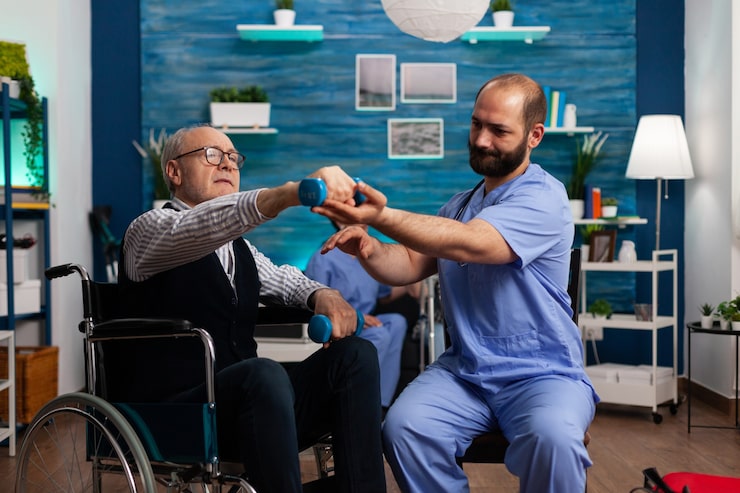
Preparing for your initial visit to an orthopedic specialist in New Orleans can seem daunting, but with the right steps, it can go smoothly. Start by gathering essential documents like your ID and insurance card. It’s wise to compile your medical history along with any relevant imaging reports, as this gives the specialist a fuller picture of your situation. Jot down questions you might have about your condition and treatment options; being informed is key. Arriving a bit early helps alleviate stress, allowing time for paperwork. Finally, consider how your condition affects daily life so you can discuss realistic expectations and accommodations during treatment.
1. Prepare Your Medical History in Detail
Creating a detailed account of your medical history is crucial for your visit to an new orleans orthopedic specialists. Start by listing all chronic conditions you have, along with any past injuries, surgeries, and treatments you’ve undergone. If there’s a family history of orthopedic issues, note that too, as it could indicate potential hereditary conditions. Be ready to explain when your symptoms began and how they have evolved over time.
Document any treatments you’ve tried before, such as physical therapy or medications, and evaluate their effectiveness. Lifestyle factors can play a significant role in orthopedic health, so include details about your diet, exercise habits, and daily activities. It’s also important to mention any psychological or mental health issues, as they can impact your overall health and treatment approach.
Keep track of any recent health changes, like weight gain or an increase in physical activity, as these can be relevant to your condition. If you’ve had any recent imaging studies or tests related to your orthopedic issues, bring that information along. Be honest about your pain levels; use a scale from 1 to 10 to describe how it affects your daily life. Lastly, prepare a list of any medications you are currently taking, including over-the-counter drugs and supplements, and mention any past reactions to medications. This comprehensive overview will empower your specialist to provide the best care possible.

2. Compile a List of Questions to Ask
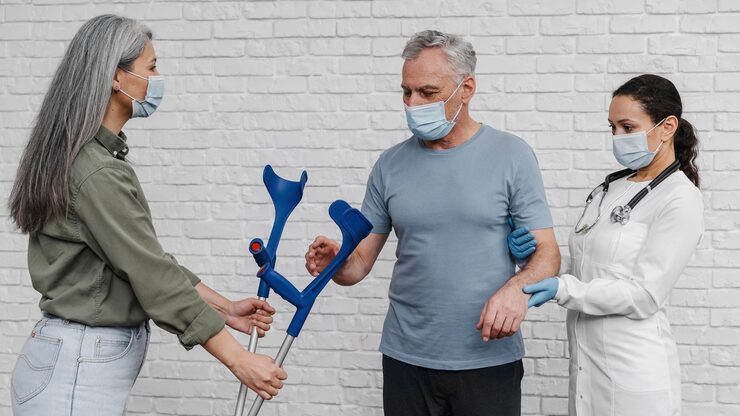
It’s important to prepare specific questions to make the most of your visit. Start by asking your specialist what they believe is the root cause of your symptoms and what diagnostic tests will be performed to confirm this. Inquire about how your diagnosis might affect your daily life and activities. Discuss the potential treatments available, including both surgical and non-surgical options, and what outcomes you can expect from each. Don’t forget to ask about the recovery process, including how long it typically takes and what rehabilitation might involve. If you come across any medical jargon or terminology that confuses you, clarify it right away to ensure you understand your condition fully. Find out how much experience the specialist has with your specific condition and the treatment options they recommend. You might also want to ask about any alternative therapies or supplements that could be beneficial for you. Lastly, make sure to inquire about any signs or symptoms that should prompt you to seek immediate medical attention after your visit, and request recommendations for educational resources or support groups related to your condition.
- Ask your specialist what they believe is the root cause of your symptoms and what diagnostic tests will be performed to confirm this.
- Inquire about the implications of your diagnosis for your daily life and activities.
- Discuss the potential treatments, including both surgical and non-surgical options, and their expected outcomes.
- Ask about the recovery process, including how long it typically takes and what rehabilitation might involve.
- Clarify any terminology or medical jargon you don’t understand to improve your comprehension.
- Inquire about the specialist’s experience with your specific condition and treatment options.
- Discuss any alternative therapies or supplements that might be beneficial for your situation.
- Ask what signs or symptoms should prompt you to seek immediate medical attention after the visit.
- Request recommendations for educational resources or support groups related to your condition.
3. Plan Your Visit Logistics Effectively
To ensure a smooth visit to your orthopedic specialist, planning your logistics is essential. First, confirm the date and time of your appointment. Setting reminders on your phone can help you avoid any mix-ups. Next, research the location of the orthopedic office. Knowing where it is and how to get there can save you time and stress. If you’re driving, it’s wise to check traffic conditions on the day of your appointment, so you can allow for adequate travel time. For those using public transport, verify the schedule and have a backup plan in case of delays.
Consider bringing a friend or family member along. They can provide support and help you remember important information discussed during the visit. If you require mobility aids like crutches or a walker, ensure you have them ready for your visit. Staying hydrated is also important, so bring a water bottle to sip on while you wait.
Additionally, check if the orthopedic office has specific COVID-19 protocols in place. You may need to wear a mask or undergo screenings before entering. Lastly, if you have children or pets, arrange for their care during your appointment. This way, you can focus on your visit without distractions.
4. Discuss Treatment Options Openly
Be ready to have an open conversation about your treatment options. Start by asking your orthopedic specialist to explain the reasons behind their recommendations. Understanding the rationale helps you feel more confident in the decisions made about your care. It’s also important to inquire about the expected timeline for each treatment option. Knowing how soon you might see results can set realistic expectations.
Discuss the benefits and risks associated with both surgical and non-surgical options. For instance, while surgery may offer quicker relief, it often comes with longer recovery times and possible complications. On the other hand, non-surgical treatments like physical therapy may take longer to show results but often have fewer risks.
Ask for clarification on the long-term effects of each treatment on your overall health and mobility. This will help you make informed choices that align with your lifestyle and health goals. Be open to discussing lifestyle changes that could support your treatment, such as adjustments to your exercise routine or diet.
Inquire about rehabilitation programs that may be suggested post-treatment. Knowing what to expect after your initial treatment can prepare you for the recovery process. Don’t forget to ask about follow-up appointments and what they will entail in terms of monitoring your progress. Additionally, discussing any potential need for pain management strategies can help you feel more comfortable throughout your treatment.
Lastly, consider asking about patient success stories or case studies related to your specific condition. Hearing about others’ positive outcomes can provide reassurance and motivate you as you embark on your treatment journey.
5. Communicate Concerns with Your Specialist
Being open and honest about your concerns during your visit is crucial. Share any anxieties you have regarding your diagnosis or treatment options, as this can help your specialist address them effectively. If you’ve had negative experiences with healthcare or treatments in the past, discussing these can lead to a more tailored approach. Clearly communicate your pain levels, including when you feel pain and what makes it better or worse. It’s also important to ask about realistic expectations for symptom relief and improvement after treatment. If costs or insurance coverage are a concern, bring them up so your specialist can assist you in navigating these issues. Discuss how your condition impacts your mental health and overall well-being, as this context can influence your treatment plan. Be upfront about your lifestyle and any activities that might be affected by your condition or treatment. Sharing your goals for treatment, whether it’s returning to a specific sport or simply managing pain, gives your specialist a better understanding of what you’re aiming for. Finally, ask how your specialist defines success in treatment and what metrics they use to assess progress.
6. Post-Appointment Follow-Up Steps
After your visit, take proactive steps to stay on track with your treatment plan. Start by confirming any tests or imaging studies that your specialist recommended, and schedule them as soon as possible, as timely diagnostics can help guide your care. Request a summary of your visit, including any diagnoses, treatment plans, and next steps. This can be useful for your records and future reference.
If your doctor referred you to other specialists or therapists, follow up on those referrals promptly to keep your treatment moving forward. Keep track of any medications prescribed, noting the dosages and directions for taking them. Consider setting reminders for follow-up appointments and any necessary rehabilitation sessions to help you stay organized and committed to your recovery.
If you find yourself with questions after the appointment, don’t hesitate to reach out to the office for clarification. Monitoring your symptoms can also be beneficial; keep a journal of any changes or concerns to discuss at your next visit. Stay informed about your condition by researching reputable sources and consider discussing your findings with your specialist. Additionally, you might find it helpful to join support groups for individuals with similar conditions, as sharing experiences and strategies can provide comfort and insight.
7. Consider Your Lifestyle and Activities
Think about how your condition is affecting your daily life and share these insights with your orthopedic specialist. Discuss how your hobbies might need to change based on your treatment plan. If your job involves physical activities, mention any tasks that may worsen your condition. Ask your specialist for advice on adjustments you can make to your daily routine that will help accommodate your treatment. Inquire about exercises or activities that could aid your recovery, as well as dietary changes that might support joint health, like incorporating anti-inflammatory foods.
Reflect on your social life too; consider how treatments might require you to adapt your plans. If you have upcoming travel, discuss how your condition might impact those plans and seek tips for managing symptoms while on the go. Being open about the mental health effects of your condition and treatment is also important; ask for any resources or support you might need. Lastly, think about your support system and how they can assist you in making the necessary lifestyle changes.
Frequently Asked Questions
What should I bring to my first orthopedic appointment?
You should bring your ID, insurance card, any medical records related to your condition, and a list of medications you’re currently taking.
How do I know if my orthopedic issue is serious enough to see a specialist?
If you’re experiencing persistent pain, swelling, or difficulty moving a joint, it’s a good idea to consult a specialist.
What kind of questions will the orthopedic specialist ask during my visit?
The specialist will likely ask about your medical history, the details of your symptoms, and any past injuries or treatments you’ve had.
Will I need to undergo any tests or imaging during my first visit?
Depending on your condition, the specialist may recommend X-rays, MRIs, or other tests to get a better understanding of your issue.
How can I prepare mentally for my first visit to an orthopedic specialist?
Try to stay relaxed, write down your symptoms and questions ahead of time, and remember that the specialist is there to help you.
TL;DR Preparing for your first visit to a New Orleans orthopedic specialist involves gathering necessary medical documents, detailing your medical history, and compiling questions to ask during the appointment. Arrive early and be ready to discuss treatment options openly, communicate any concerns, and plan for post-appointment follow-up. Reflect on how your condition impacts your lifestyle to ensure a tailored treatment plan.