
When preparing for a visit to an urgent care doctor in Los Angeles, proper planning can make the experience much easier. First, know why you’re visiting an urgent care center: they handle non-life-threatening issues like minor injuries or illnesses that need prompt attention. Before you go, gather important documents such as your photo ID and insurance information. Having a list of medications and a brief medical history ready can help save time. On the day of your visit, aim to arrive early for registration and check-in procedures. Make a note of your symptoms and any questions you have for the healthcare provider during your consultation. Understanding your treatment plan afterward is essential too; follow any instructions given thoroughly to promote recovery.
1. Understanding Urgent Care Services
An urgent care doctor in Los Angeles is a convenient option for quick treatment of minor injuries and illnesses that need immediate attention. These facilities handle conditions such as sprains, cuts, fevers, and infections, making them ideal for situations that are not severe enough to warrant a trip to the emergency room. Unlike emergency services, which can be costly, urgent care is typically more affordable, providing a budget-friendly choice for those in need of prompt medical care. Many urgent care centers in Los Angeles also offer on-site pharmacies, allowing you to access medications right after your visit. The providers at these facilities are usually board-certified and trained in emergency medicine, ensuring you receive quality care. Most urgent care locations do not require an appointment, making them accessible for walk-in patients, and they often have extended hours, including evenings and weekends. Some facilities even specialize in areas like pediatrics or occupational health, broadening the range of services available. However, it’s crucial to understand the limitations of urgent care to know when it’s necessary to seek emergency services instead.

2. Essential Preparations for Your Visit
Before heading to an urgent care clinic, it’s important to gather all necessary documents. Start with a valid photo ID and your insurance card, as many clinics will need this information to process your visit. If you take medications, compile a list that includes dosages and any recent lab work or medical documents that may be relevant. It’s also helpful to review your symptoms, including when they began and any treatments you’ve tried, so you can provide clear information to the healthcare provider.
Checking the urgent care’s website for specific requirements can save you time and ensure you have everything you need. Some facilities may require co-pays at the time of service, so it’s wise to bring a form of payment. You might also want to call ahead to confirm wait times or the availability of certain services, as this can help you plan your visit more effectively.
If you’re feeling unwell, consider bringing a family member or friend for support. They can help relay information or take notes during your consultation. On the day of your visit, wear comfortable clothing that allows easy access for examinations, making the process smoother.
Having a fully charged phone can be beneficial, as you might use it to fill out forms or stay in touch with loved ones. Finally, be prepared for potential wait times by bringing something to keep you occupied, like a book or your favorite podcast.
3. What to Expect When Arriving?
When you arrive at an urgent care clinic, the first thing you’ll do is check in. The staff will likely ask you for the reason for your visit, so be ready to share that. You may need to complete some paperwork that includes your health history and insurance information. It’s important to provide details about any allergies or medications you are currently taking, as this will help the healthcare team understand your needs better.
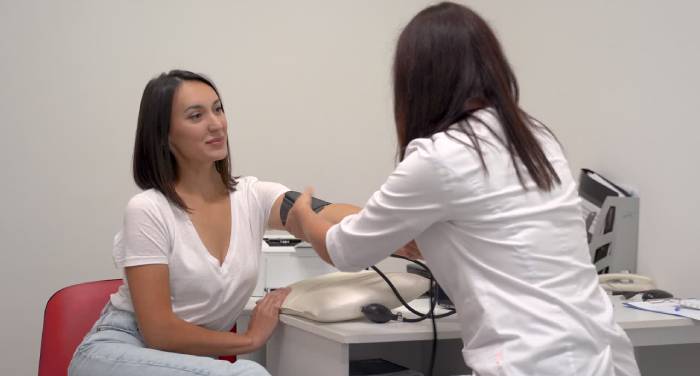
Once you’ve checked in, the triage staff will take your vital signs, like blood pressure and temperature. They’ll also ask you to describe your symptoms in detail, so think about what you’re experiencing and how long it’s been going on. Keep in mind that you might have to wait a bit; patients are often seen according to the severity of their condition. If you have a preference for a male or female provider, you can make that request at check-in.
If you have any questions about procedures or costs during the registration process, don’t hesitate to ask for clarification. If you have respiratory symptoms, the staff may offer you a mask to help protect others in the clinic. Additionally, be aware that some facilities may still have COVID-19 protocols in place, which could include temperature checks.
4. During Your Consultation at Urgent Care
During your consultation, the healthcare provider will begin by asking detailed questions about your symptoms. This helps them understand your situation better. You can expect a physical examination relevant to your condition, such as checking your heart and lungs. If necessary, they may recommend diagnostic tests like blood tests or imaging to get a clearer picture of what’s going on. It’s also a good time to discuss any concerns you have about your symptoms or treatment options. If you’re unsure about the prescribed plan, don’t hesitate to ask about alternative treatments. The provider will explain the diagnosis and what it means for your health, ensuring you leave with a clear understanding. You should receive specific instructions on managing your condition at home. If they prescribe medication, inquire about potential side effects and interactions, as this information is crucial for your safety. Lastly, discuss any necessary follow-up appointments or referrals to specialists, and remember to ask for educational materials if you need more information about your condition.
5. Actions to Take After Your Visit
After your visit to an urgent care doctor, it’s important to take a few actions to ensure your health continues to improve. Start by reviewing the treatment plan provided by the healthcare provider before you leave. Make sure you understand how and when to take any prescribed medications, as this can impact your recovery. If follow-up appointments are necessary, schedule them promptly to monitor your condition.
Keep an eye on any symptoms that may worsen or new symptoms that arise after your visit. If you have questions about your treatment or if you experience any side effects from the medications, don’t hesitate to contact the clinic for guidance. It’s also a good idea to inform your primary care doctor about your urgent care visit and the treatment you received, as this helps maintain your overall health records.
Additionally, follow any lifestyle recommendations given by the healthcare provider, such as changes in diet or activity levels. If you received a referral to a specialist, make that appointment as soon as possible to avoid delays in your care. You might also consider sharing your experience with family or friends, as it could be beneficial for someone else facing a similar situation. Lastly, keep all documentation from your visit, including prescriptions and discharge papers, organized for your records.
6. Additional Tips for a Smooth Experience
Finding the right urgent care center can save you time and money. Look for facilities that are in-network with your health insurance, which can significantly reduce your out-of-pocket costs. If the clinic has an app, consider downloading it for easy access to services and information about your visit. Being aware of the clinic’s hours and peak times can help you avoid long wait times. If you are bringing children, check if the center is child-friendly, with amenities like toys or play areas to keep them entertained. For minor issues, ask about telehealth options, which can provide a convenient virtual consultation without needing to leave home. Stay informed about the clinic’s policies on COVID-19 vaccinations and testing, as these may affect your visit. Bringing a list of any recent procedures or tests you’ve had can provide valuable context for your provider. If you have mobility issues, don’t hesitate to ask about accessibility features available at the clinic. Lastly, maintain a calm demeanor during your visit; urgent care centers can be busy, and patience can go a long way. Before an emergency arises, familiarize yourself with the nearest urgent care center, so you know exactly where to go when you need care.
- Look for urgent care centers that are in-network with your health insurance to reduce costs.
- Consider downloading the clinic’s app, if available, for easy access to information and services.
- Stay informed about the clinic’s hours and peak times to avoid long waits.
- If you have children, check if the facility is child-friendly, with amenities like toys or play areas.
- Ask about telehealth options if you prefer a virtual consultation for minor issues.
- Be aware of the clinic’s policies regarding COVID-19 vaccinations and testing.
- Bring along a list of any recent procedures or tests you have undergone for the provider’s reference.
- If you have mobility issues, inquire about accessibility features at the clinic.
- Stay calm and patient during the visit, as urgent care centers can be busy.
- Familiarize yourself with the location of the nearest urgent care center before an emergency arises.
Frequently Asked Questions
What should I bring to my urgent care visit?
When visiting an urgent care doctor, bring your ID, insurance card if you have one, and any medical records related to your current issue. It’s also helpful to have a list of any medications you’re taking.
How can I choose the right urgent care facility in Los Angeles?
To choose the right urgent care facility, consider factors like location, hours of operation, and patient reviews. Look for places that are board-certified and offer the services you need.
What kinds of health issues can I go to urgent care for?
You can go to urgent care for many health issues like minor injuries, cuts, sprains, colds, and infections. If your situation is more severe, the staff can help direct you to the right place.
Do I need to make an appointment at urgent care?
Most urgent care centers accept walk-ins, so appointments are often not needed. However, it’s a good idea to call ahead or check their website to see if you can reserve a spot.
What can I expect during my visit to an urgent care doctor?
During your visit, expect to fill out some forms, have a brief consultation with a nurse or doctor, and possibly undergo tests or treatments for your health issue. You will receive care tailored to your needs.
TL;DR Preparing for a visit to an urgent care doctor in Los Angeles can enhance your experience. Understand urgent care services, gather essential documents like ID and insurance info, and prepare a list of symptoms and questions. On the day of your visit, arrive early and go through the check-in process. During your consultation, expect discussion of your symptoms and possibly some diagnostic tests. After your visit, follow the treatment plan and inquire about any necessary follow-ups. Consider payment options and virtual care services if applicable.