
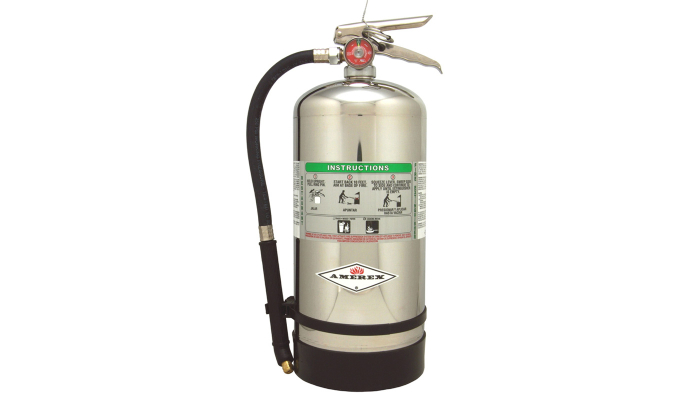
Preventing fires in hospital kitchens is vital to ensure the safety of patients and staff. Understanding the risks starts with recognizing that kitchen fires, particularly Class K, are a significant threat often arising from cooking oils and fats. To combat this danger, thorough cleaning of all kitchen equipment, including hoods and fryers, keeps grease accumulation at bay. Regular maintenance of appliances and fire suppression systems complies with NFPA standards. Staff training on fire hazards and emergency protocols is critical for quick actions during incidents. Together, these strategies create a culture of safety while helping to safeguard vulnerable hospital environments from catastrophic fires.
1. Understanding Kitchen Fire Risks
Hospital kitchen fire suppression service are the leading cause of fires in healthcare facilities, accounting for a staggering 71% of all incidents. This high percentage underscores the urgent need for awareness and prevention strategies. Among these fires, Class K fires, those involving cooking oils and fats, pose the greatest challenge. These types of fires ignite quickly and are notoriously difficult to extinguish using standard methods. For instance, hot oil can reach its flash point in a matter of seconds, leading to a rapid escalation of flames.
Further complicating matters, mismanaged electrical appliances can cause short circuits and spark fires, while combustible materials like paper, cloth, and food packaging can easily ignite if they are too close to heat sources. Additionally, kitchens often lack proper ventilation, which can lead to the dangerous accumulation of flammable vapors, heightening the risk of fire.
Staff negligence is another critical factor; leaving cooking unattended can turn a small mishap into a full-blown emergency. Improper storage of flammable materials and outdated or malfunctioning cooking equipment can also create hazardous situations, especially in the high-pressure environment of a busy kitchen. Understanding the layout of the kitchen is vital too, as it influences how quickly a fire can spread and how easily staff can evacuate. By recognizing these risks, healthcare facilities can take proactive steps to protect their kitchens and those who work within them.
- Kitchen fires account for 71% of all healthcare facility fires, making them a significant risk (HFM Magazine).
- Class K fires, which involve cooking oils and fats, are the most challenging to extinguish and require specialized suppression agents (HFM Magazine).
- Hot oil can ignite quickly if it overheats, leading to rapid fire development in kitchens (National Fire & Safety Services).
- Mismanagement of electrical appliances can lead to short circuits, a common cause of kitchen fires (Total Fire Protection).
- Combustible materials like paper, cloth, and food packaging can easily catch fire if placed too close to heat sources (VFS Fire & Security Services).
- Lack of proper ventilation can increase the risk of fire due to the accumulation of flammable vapors (Pye-Barker Fire & Safety).
- Staff negligence, such as leaving cooking unattended, significantly raises fire risks (National Fire & Safety Services).
- Improper storage of flammable materials can lead to dangerous situations, especially in busy kitchens (State Systems).
- Old or malfunctioning cooking equipment can pose serious hazards if not regularly checked (VFS Fire & Security Services).
- Understanding the layout of the kitchen is vital, as it affects fire spread and evacuation routes (HFM Magazine).
2. Key Fire Prevention Strategies
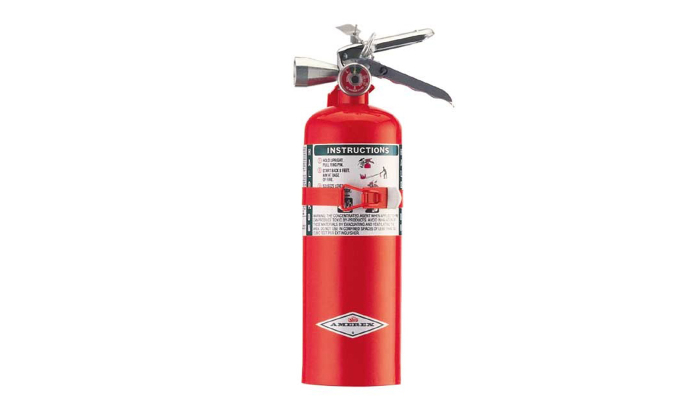
Fire prevention in hospital kitchens is crucial, and there are several effective strategies to consider. Regular cleaning of kitchen equipment and surfaces is essential, as it reduces grease build-up, a leading cause of fires. This includes the thorough cleaning of hoods, vents, and fryers, which should be maintained based on cooking volume. Scheduled maintenance of kitchen appliances is equally important, ensuring they operate safely and minimizing fire risks. Staff training is another key strategy, as it empowers employees to recognize fire hazards and respond appropriately. Training sessions should cover the safe use of kitchen equipment and how to operate fire suppression systems. Implementing a strict ‘no smoking’ policy in and around kitchen areas further minimizes fire risks, creating a safer environment. Additionally, installing automatic shut-off systems for gas appliances can prevent fires by cutting off the fuel supply during emergencies. During high-risk cooking times, creating a fire watch allows staff to monitor potential fire hazards closely. Utilizing flame-retardant materials in kitchen design can slow the spread of fire, enhancing safety. Ensuring easy access to fire extinguishers allows staff to quickly respond to small fires before they escalate. Regular fire drills help familiarize staff with emergency procedures, building confidence in their ability to act quickly. These proactive strategies are vital for preventing fires and safeguarding both staff and patients.
3. Importance of Fire Suppression Systems
Fire suppression systems are crucial in hospital kitchens, where the risk of fire is significantly heightened due to cooking processes. Automatic suppression systems excel in detecting heat and smoke, enabling them to respond swiftly to fires, often before they have the chance to spread. These systems utilize wet chemicals specifically formulated to tackle Class K fires, which involve cooking oils and fats, making them essential for kitchens where such substances are prevalent. Regular inspections are vital to ensure these systems function correctly and comply with safety regulations. Staff must be well-informed about the locations of fire suppression systems and trained to activate them manually if needed. Training should include realistic simulations to prepare staff for effective use during an emergency. Investing in reliable fire suppression systems can dramatically lower the risk of extensive fire damage, protecting both lives and property. Additionally, having backup systems or redundancy increases safety, giving extra peace of mind. Integrating alarm systems with fire suppression technology offers real-time alerts, ensuring that staff are immediately informed when a fire is detected. Maintaining and regularly updating these systems is essential for their long-term effectiveness, allowing for tailored solutions that meet the specific cooking methods used in the kitchen.
4. Emergency Protocols for Hospital Kitchens
Establishing clear emergency protocols is vital for the safety of hospital kitchens. First, it’s crucial to develop visible evacuation routes and post them in multiple areas throughout the kitchen to ensure all staff can easily find their way out during an emergency. Regular fire drills should be conducted to familiarize staff with these routes and reinforce their readiness to respond. Additionally, assigning specific roles to staff during a fire emergency can streamline the response process, making it more efficient and effective.
Every staff member must know how to activate fire alarms and suppression systems, ensuring a quick response when a fire breaks out. A well-thought-out communication plan is also essential for relaying information swiftly during a fire emergency, allowing for timely alerts and instructions. Designating a meeting point outside the kitchen for staff to regroup after an evacuation can help account for everyone and ensure no one is left behind.
Documenting and reviewing the effectiveness of emergency drills is important to identify areas for improvement, ensuring the protocols remain effective. Keeping emergency contact information readily accessible for fire departments and emergency services can save precious time during a crisis. Training staff on how to assist individuals with mobility issues during an evacuation is also crucial to ensure everyone’s safety. Finally, maintaining updated emergency plans that reflect any changes in kitchen layout or staff responsibilities will keep the protocols relevant and actionable.
5. Compliance with Fire Safety Regulations
Hospitals face unique fire safety challenges, requiring strict adherence to fire safety regulations like those set by the NFPA. These codes are designed to address the specific risks associated with healthcare settings, ensuring that fire protection measures are effectively implemented. Regular audits are essential for compliance with the Joint Commission standards, which encompass a wide range of safety practices, including fire safety. Documenting all inspections and maintenance of fire safety equipment is crucial, as this documentation serves as proof of compliance during audits.
Educating staff about the importance of compliance not only reinforces a culture of safety but also empowers them to take an active role in fire prevention efforts. Posting fire safety signage throughout the kitchen reminds staff of critical protocols and procedures, thereby minimizing the chances of oversight. Developing a compliance checklist can streamline the process, ensuring that all safety measures are consistently met.
Engaging with local fire departments can provide valuable insights into best practices for compliance, as these experts often have firsthand experience with fire safety in various environments. Regular staff training is also vital, as it should include updates on any changes to fire safety regulations, ensuring that everyone remains informed. Regularly reviewing and updating fire safety policies allows hospitals to adapt to new challenges and ensure continued effectiveness. Collaboration with safety experts can further enhance understanding and implementation of these essential fire safety regulations.
6. Building a Safety Culture in Kitchens
Creating a safety culture in hospital kitchens is essential for preventing fires and ensuring the well-being of staff and patients. Open communication about safety concerns makes staff feel valued and engaged, fostering an environment where everyone feels comfortable discussing potential hazards. When safe practices are recognized and rewarded, it motivates staff to prioritize fire safety in their daily routines. Incorporating fire safety into everyday kitchen operations transforms it from an afterthought into a standard practice. Regular safety meetings encourage teamwork, allowing staff to collaborate on identifying and addressing potential hazards.
Empowering kitchen staff by forming a safety committee can further enhance this culture, giving them an active role in fire safety initiatives. Providing resources and educational materials strengthens their knowledge and skills, making them more adept at recognizing risks. Encouraging staff to share their experiences regarding fire safety can lead to valuable insights that improve overall safety protocols. Involving all levels of staff in training programs fosters a collective sense of responsibility, ensuring everyone understands their role in maintaining a safe kitchen.
A clean and organized kitchen environment is vital for safety, as it reduces the likelihood of fires caused by grease build-up or clutter. Utilizing visual aids and reminders throughout the kitchen can reinforce fire safety practices, keeping them top-of-mind. Building this safety culture isn’t just about compliance; it’s about creating a proactive approach to fire safety that protects everyone in the healthcare setting.