
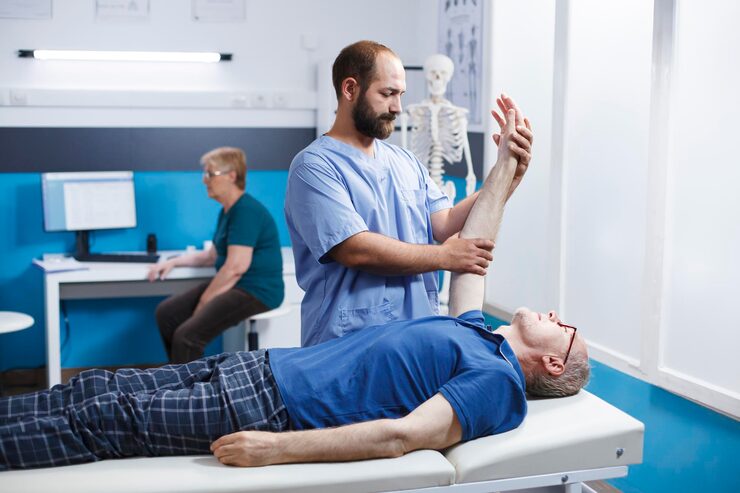
Recovering after a visit to a New Orleans orthopedic specialist involves several key steps that can ensure a smoother healing journey. First, understanding the importance of rehabilitation is crucial; it promotes both physical recovery and improved mental well-being. Following your doctor’s instructions closely, including medication and activity limitations, can help prevent complications. Engaging in physical therapy right away helps regain movement while addressing stiffness. Additionally, maintaining a balanced diet rich in essential vitamins supports tissue repair. Regular follow-ups with your specialist are vital too, along with effective pain management strategies and mental support from family or friends, all playing significant roles in recovery success.
1. Understanding Rehabilitation After Orthopedic Care
Rehabilitation is a key part of recovering after new orleans orthopedic specialists surgery. It helps restore your function and mobility, so you can get back to your daily activities. This process involves tailored exercises that match your specific needs and the different stages of your recovery. Physical therapists will assess your progress and adjust your rehabilitation plan based on how quickly you are healing.
During rehab, you’ll focus on both strength training and flexibility to prevent stiffness. This is crucial because a lack of movement can lead to complications. Depending on the type of surgery you had, rehabilitation can take weeks to months. You will also learn techniques to manage your daily activities safely, which is essential for a smooth recovery.
Having support from family and friends can greatly enhance your commitment to your rehab exercises. It’s not just about the physical aspect; rehabilitation also addresses the emotional and psychological challenges that come with recovery. Patients often benefit from setting realistic goals with their therapist, which can significantly boost motivation and help maintain a positive outlook as they progress.
- Rehabilitation helps restore function and mobility after surgery.
- It includes exercises tailored to individual needs and recovery stages.
- Therapists assess progress and modify plans based on recovery speed.
- Focus on both strength training and flexibility to prevent stiffness.
- Rehabilitation can take weeks to months depending on the surgery.
- Patients learn techniques to manage daily activities safely during recovery.
- Support from family can enhance commitment to rehab exercises.
- Rehabilitation also addresses emotional and psychological aspects of recovery.
- Education on injury prevention is part of the rehabilitation process.
- Setting realistic goals with your therapist can boost motivation.

2. Following Post-Operative Instructions
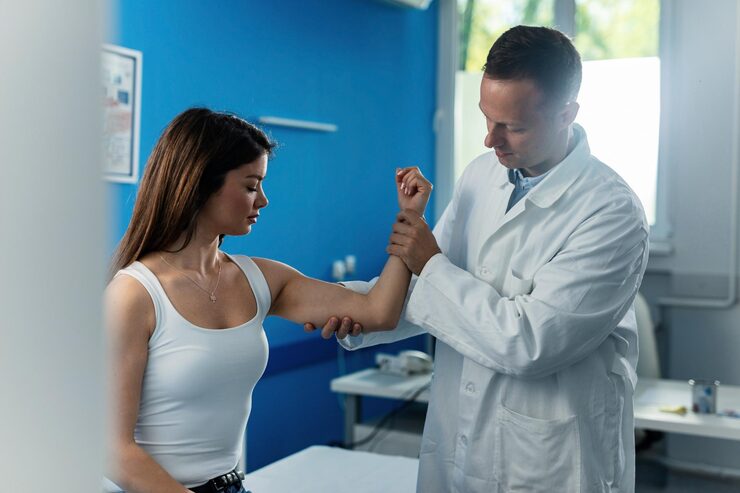
After your surgery, it’s crucial to read all the provided instructions carefully. These guidelines are designed to help you heal properly and avoid complications. Keeping a schedule for taking your medications as prescribed by your doctor is essential for managing pain and preventing infection. Make sure you know which activities to avoid, as engaging in the wrong movements can lead to setbacks in your recovery.
You should also be aware of signs that indicate complications, such as increased pain, swelling, or any unusual discharge from the surgical area. If you notice any of these symptoms, contact your healthcare provider immediately. Following dietary recommendations can significantly enhance your healing process, focus on a balanced diet rich in proteins, vitamins, and minerals.
Attending all scheduled follow-up appointments is vital for monitoring your recovery progress. In addition, using ice and elevating the surgical area as recommended can help reduce swelling and discomfort. It’s important to keep the surgical area clean and dry, adhering to the guidelines provided. Incorporating rest periods into your daily routine will aid your recovery, allowing your body to heal effectively.
Lastly, always communicate any concerns or questions with your healthcare team. They are there to support you and provide guidance throughout your recovery.
3. Importance of Physical Therapy
Physical therapy is a key element in the recovery process after seeing a New Orleans orthopedic specialist. It usually begins shortly after surgery to help maximize healing and regain strength and mobility. During therapy sessions, patients can expect guided exercises and manual therapy techniques tailored to their specific needs. Physical therapists also provide valuable education on body mechanics and safety, helping patients understand how to move effectively and avoid further injury.
Regular attendance at therapy sessions is crucial for achieving the best outcomes. These sessions not only focus on exercises but may also incorporate modalities like heat and ultrasound to relieve pain and promote healing. Each patient’s therapy plan is personalized, addressing specific limitations and gradually increasing activity levels as tolerated. Tracking progress through measurable improvements can motivate patients and show how far they’ve come.
Incorporating exercises into daily routines can significantly enhance recovery, making physical therapy a crucial part of an overall rehabilitation strategy. Therapists often work closely with other healthcare providers to ensure comprehensive care, and therapy may continue in outpatient settings for ongoing support. This collaborative approach helps patients stay on track and make a successful transition back to their normal activities.
4. Nutrition for Optimal Healing
Eating well is essential for recovery after seeing a New Orleans orthopedic specialist. A balanced diet rich in protein supports tissue repair, helping your body heal more effectively. Incorporate plenty of fruits and vegetables into your meals, as these provide vital vitamins and minerals that boost your immune system and aid recovery. Staying hydrated is equally important; drinking enough water can improve your overall health and support the healing process.
Healthy fats, like those found in avocados and nuts, can help reduce inflammation in your body, which is crucial during recovery. On the other hand, it’s wise to limit processed foods and sugars, as they can interfere with your healing efforts. Meal prepping can be a great strategy to ensure you have nutritious options readily available, making it easier to stick to a healthy diet.
Monitoring your calorie intake is also important, as maintaining a healthy weight can influence your recovery journey. If you have specific dietary needs, consulting a nutritionist can provide you with personalized recommendations that align with your recovery goals. Additionally, eating small, frequent meals can help sustain your energy levels throughout the day, aiding in your overall recovery.
5. Managing Pain Effectively
Managing pain effectively is crucial for a smooth recovery after seeing an orthopedic specialist. Start by discussing pain management options with your doctor before any surgery. This ensures you understand what to expect and how to handle discomfort. Use prescribed pain medication as directed, as this can help control your pain levels. In addition to medication, consider non-drug methods like ice packs to reduce inflammation and ease discomfort.
Incorporating relaxation techniques, such as deep breathing or meditation, can also be beneficial. These practices help calm the mind and reduce the perception of pain. It’s important to identify personal pain triggers, like certain movements or activities, and avoid them when possible to minimize pain episodes. Keeping a pain diary can be an effective tool; track the intensity and duration of your pain to share with your healthcare provider, which allows for better management strategies.
As you begin to feel better, gradually wean off pain medications as advised by your doctor. Engaging in light physical activity as tolerated can promote the release of endorphins, which naturally alleviate pain. Open communication with your healthcare provider about your pain levels is essential for adjusting your recovery plan as needed. If appropriate, consider exploring alternative therapies like acupuncture, which some patients find helpful in managing pain.
6. Gradually Increasing Activity Levels
After seeing a New Orleans orthopedic specialist, gradually increasing your activity levels is essential for a successful recovery. Start with gentle movements, such as simple stretches or basic range-of-motion exercises, and slowly progress to more challenging activities as your body allows. It is vital to listen to your body, so take breaks when needed to avoid overexertion. Consulting your physical therapist can provide guidance on safe activity levels tailored to your situation.
Walking is an excellent low-impact way to enhance mobility; aim for short, manageable walks and gradually increase the distance as you feel more comfortable. Keeping a daily activity log can help you track your improvements and set new goals, keeping you motivated throughout your recovery. Avoid high-impact activities until your orthopedic specialist gives you the green light, and consider participating in low-impact classes like swimming or cycling when appropriate.
Setting short-term goals for increasing your activity can help maintain your motivation and give you a sense of accomplishment as you progress. Incorporating stretching exercises will enhance your flexibility, further aiding your recovery. Be sure to adjust your activity levels based on how your body feels each day, as some days may be better than others.
7. Tips for Proper Wound Care
Following your orthopedic procedure, proper wound care is essential for a smooth recovery. Begin by diligently adhering to all wound care instructions provided by your healthcare provider. This guidance is crucial, as it helps you avoid complications. Keeping the surgical site clean and dry is vital. Change dressings as needed, and use gentle soap and water for cleaning, steering clear of harsh chemicals that could irritate the area. Monitor the wound closely for any signs of infection, such as increased redness, swelling, or unusual discharge. If you notice these symptoms, contact your healthcare provider promptly.
It’s important to avoid soaking the wound in water until your doctor gives you the green light. Additionally, keep your nails trimmed to prevent accidental scratching of the wound, which can lead to infection. Wearing loose clothing can help reduce irritation around the surgical site, allowing for better comfort during the healing process. Unless your doctor advises otherwise, refrain from applying ointments or creams to the wound.
Lastly, make sure to attend all follow-up appointments. These visits are critical for monitoring your recovery and ensuring that your wound is healing properly. By following these wound care tips, you can help facilitate a smoother recovery and reduce the risk of complications.
8. Mental Wellness During Recovery
Recovering from orthopedic procedures can be emotionally challenging. It is normal to feel frustration or sadness as you navigate the ups and downs of healing. Acknowledging these feelings is the first step in maintaining mental wellness. Engaging in mindfulness practices, such as meditation or deep breathing exercises, can help reduce stress and anxiety during this time. Consider journaling your thoughts and feelings about your recovery. This can provide an outlet for emotions and help you track your progress.
Connecting with friends and family is crucial for emotional support. They can offer encouragement and help lift your spirits when you feel down. Participating in hobbies that you can still enjoy during recovery, like reading or crafting, can keep you engaged and provide a sense of normalcy.
If feelings of depression persist, seeking professional help is important. Mental health professionals can offer strategies tailored to your needs. Joining support groups can also be beneficial, as sharing experiences with others can provide comfort and coping strategies.
Setting achievable goals for your mental wellness, alongside your physical recovery, can help you stay focused. Celebrate small victories, whether it’s completing a physical therapy session or simply feeling a bit better each day. Practicing gratitude by acknowledging these moments can shift your mindset positively. Incorporating relaxation techniques, such as yoga or tai chi, into your routine can further assist in creating a calming atmosphere for your recovery.
9. Using Assistive Devices Safely
Using assistive devices correctly is essential for your safety and recovery. Always follow the instructions provided by your healthcare provider on how to use these devices, as improper use can lead to accidents. Practicing in a safe environment, like your home, will help you feel more confident before venturing out. Regularly check your devices for any damage, as worn-out or broken equipment can increase the risk of falls. Different types of devices are available, so it’s important to choose one that suits your specific needs. Avoid using devices in ways they were not intended for, as this could lead to injury. Even if you feel stable, consider using an assistive device to prevent unnecessary strain on your body. If you encounter stairs or uneven surfaces, don’t hesitate to ask for help. Keep your pathways clear to minimize the risk of trips and falls. Stay updated on the latest assistive devices that might enhance your recovery, and consult your physical therapist for tailored recommendations.
10. Importance of Follow-Up Appointments
Regular follow-up appointments with your orthopedic specialist are essential for a smooth recovery. These visits allow you to check in on your healing process and discuss any concerns or questions you may have. During these appointments, your doctor can assess how well you’re healing and make necessary adjustments to your treatment plan. This is important because catching potential complications early can make a big difference in your overall recovery. Additionally, your specialist can provide guidance on when and how to safely resume normal activities, helping you to regain confidence in your mobility. It’s also a good idea to keep a list of any symptoms or questions for these visits, ensuring clarity and thorough discussion. Bringing a family member along can also be beneficial, as they can offer support and share additional insights. Overall, staying committed to regular follow-up care is vital for achieving long-term success and maintaining your health.
11. Seeking Professional Guidance
Recovering from orthopedic surgery is often a journey that benefits from professional guidance. Consulting a physical therapist who specializes in post-operative care is a wise step. They can create a tailored recovery plan that meets your specific needs and helps you regain strength and mobility efficiently. Additionally, meeting with a nutritionist can be incredibly beneficial, as they can help craft a meal plan that supports healing and promotes overall health through the right balance of nutrients.
Moreover, emotional well-being is just as important as physical recovery. Exploring mental health resources like counselors or therapists can provide support for the emotional challenges that may arise during your recovery process. Regular engagement with your orthopedic specialist is crucial too, as they can clarify any doubts and adjust your recovery strategy based on your progress.
Participating in workshops or classes focused on recovery techniques can also provide valuable insights and tips that enhance your rehabilitation experience. Occupational therapists can suggest modifications to daily activities, making them easier to manage while healing. Connecting with reputable support groups can foster a sense of community and encouragement, which can be invaluable during this time.
Telehealth services offer a convenient way to access professionals without the need for frequent clinic visits, making it easier to stay on track with your recovery. Researching local community resources for rehabilitation services can also provide additional support. Finally, collaborating with a personal trainer knowledgeable in post-surgical fitness can ensure that your exercise routines are safe and effective, helping you transition back to your regular activities.
12. Monitoring Your Recovery Progress
Keeping track of your recovery is crucial for achieving the best outcomes after seeing a New Orleans orthopedic specialist. A daily journal can be a valuable tool to document pain levels, mobility, and your overall feelings each day. This practice helps identify patterns and highlights areas that may need more attention. You can also use an app or a simple spreadsheet to log exercises you’ve completed, noting the duration and any discomfort experienced during those activities.
Setting specific and measurable goals for your recovery can keep you motivated and focused on the progress you’re making. Regular check-ins with your orthopedic specialist will provide an opportunity to review your documented progress and make any necessary adjustments to your plan. Incorporating feedback from your physical therapist can further refine your recovery strategy based on real-time assessments.
Sharing your recovery log with family or friends can enhance accountability and provide much-needed support during your healing process. Additionally, consider taking progress photos to visually document improvements in mobility and strength over time. It’s also important to evaluate your mental state regularly, feelings of frustration or anxiety are common, and discussing these with a healthcare provider can help you cope.
Be open to adjusting your recovery plan based on how your body responds to various activities and treatments. Celebrate small milestones along the way to maintain motivation and a positive outlook. Each step, no matter how small, is a part of your journey to full recovery.
13. Incorporating Relaxation Techniques
Incorporating relaxation techniques into your recovery plan can significantly enhance your healing process. Start by practicing deep breathing exercises daily, as they promote relaxation and help reduce stress. This simple yet effective method can assist in managing pain and discomfort. You might also explore guided meditation apps or online videos specifically designed for post-surgery recovery. These resources can help you focus your mind and promote a sense of calm.
Gentle yoga or stretching routines that emphasize relaxation and flexibility can be beneficial, but ensure they align with your recovery plan. Mindfulness practices are another great way to manage anxiety and maintain focus on your healing journey. Engaging in activities that promote mindfulness, such as being present in the moment, can create a positive impact on your mental state.
Warm baths with Epsom salt can work wonders for muscle relaxation and alleviating tension. Listening to calming music or nature sounds during recovery activities can create a soothing environment that supports healing. Aromatherapy is another tool worth considering; using essential oils like lavender or chamomile can foster relaxation and reduce anxiety.
Make sure to set aside time each day for self-care activities, whether it’s reading a book, journaling, or engaging in a hobby. These moments are essential for enhancing your emotional well-being. If you’re interested in exploring more structured approaches, consider attending relaxation workshops or classes that teach new stress management techniques.
Finally, don’t hesitate to seek recommendations for relaxation practices from your healthcare providers. They can guide you toward techniques that resonate with you and fit well into your recovery journey.
14. Engaging with Support Networks
Recovery can feel isolating, but connecting with others can make a significant difference. Start by reaching out to family and friends, sharing your recovery journey with them. This can provide you with emotional support and encouragement, making the process feel less daunting. Consider joining local or online support groups specifically for those recovering from orthopedic surgery. Such groups offer a space to share experiences and advice with people who understand your challenges.
Social media can also be a valuable tool. Use it to find others who are going through similar recovery paths, creating a sense of community. Involving your family in the recovery process can be beneficial, as they can help with physical tasks or simply be there for emotional support. Look for community events focused on health and recovery; these can provide opportunities to meet others and exchange tips.
Peer mentors who have successfully navigated their recovery can offer guidance and reassurance. Don’t forget about virtual support networks, which can connect you with resources and people regardless of where you are. Engage with local healthcare facilities that may offer group sessions for post-surgery patients; these shared experiences can foster a sense of camaraderie.
You might also consider sharing your journey through a blog or social media platforms. This not only inspires others but allows you to receive encouragement from your audience. Attending workshops or lectures on recovery can further enrich your experience, giving you access to healthcare professionals and fellow patients who can offer insight and support.
Frequently Asked Questions
What should I do immediately after my visit to the orthopedic specialist?
After seeing your orthopedic specialist, it’s important to follow their instructions carefully. Take time to rest, apply ice to any swollen areas, and keep your follow-up appointments. This helps in your recovery.
How can I manage pain after my orthopedic appointment?
For pain management, your doctor may recommend over-the-counter pain relievers or specific medications. You should also practice gentle movements or stretches as instructed by your specialist to alleviate discomfort.
When can I return to my normal activities after seeing the orthopedic specialist?
The timeline for returning to normal activities varies based on your specific case. Generally, it’s wise to start with light activities and gradually increase intensity as recommended by your specialist.
Should I be worried about swelling after my visit?
Some swelling is normal after your appointment, especially if you received treatment like injections. However, if the swelling worsens or lasts too long, it’s best to contact your orthopedic specialist for advice.
What kind of exercises should I do during recovery?
Your orthopedic specialist will likely suggest specific exercises tailored to your needs. These might include gentle stretching or strengthening exercises that promote healing without putting too much strain on the affected area.
TL;DR Recovering after seeing a New Orleans orthopedic specialist requires understanding rehabilitation, following post-operative instructions, and engaging in physical therapy. A balanced diet, effective pain management, and proper wound care are crucial. Gradually increasing activity levels and staying mentally well also contribute to a smoother recovery. Regular follow-up appointments and monitoring progress are important, as is seeking professional guidance when needed. Building a support network further enhances the recovery experience.