
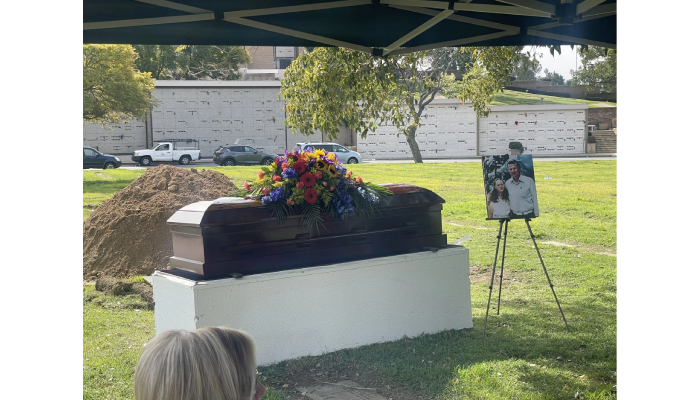
Respecting Iranian burial customs in Southern California is crucial for honoring the deceased and supporting grieving families. Families aim to bury their loved ones within 24 hours, reflecting a deep reverence for life and tradition. The role of community is vital, as collective mourning brings solace during tough times. Funeral homes like Farrington Mortuary and Friends Funeral Home offer culturally sensitive services such as Ghusl (ritual washing) and Kafan (simple shrouding). Popular cemeteries, including Rose Hills Memorial Park, provide designated Muslim sections to uphold Islamic traditions. Afterward, memorial gatherings often feature food as a gesture of hospitality, important in this rich cultural practice that values togetherness amid loss.
1. Urgency of Burial in Iranian Culture
In Iranian burial Southern California, the urgency of burial is a deeply ingrained practice, with families striving to bury their loved ones within 24 hours of death. This urgency is rooted in profound respect for the deceased, facilitating a swift transition from this life to the next. The belief is that honoring this timeline aids in the deceased’s journey to the afterlife. Religious texts and traditions play a pivotal role in guiding this practice, reinforcing its importance within the community. Family members rally together quickly, providing emotional support during this challenging time. Immediate burial not only respects the departed but also marks the beginning of the mourning period, which is crucial for emotional healing. In urban areas, logistical considerations might complicate this timeline, yet dedicated funeral homes that understand these cultural nuances can help families navigate any challenges. Ultimately, this practice is not just about tradition; it reflects a broader Islamic custom shared by many communities, promoting togetherness and community involvement as friends and relatives gather to honor the deceased.
 2. Understanding the Cultural Significance
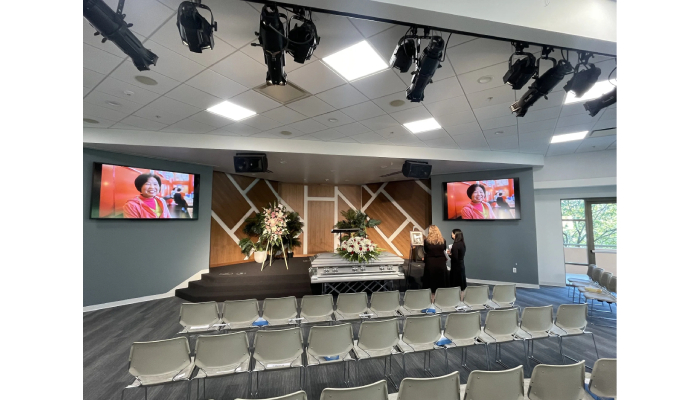 2. Understanding the Cultural Significance
Iranian burial customs hold profound cultural importance, deeply rooted in Islamic beliefs that underscore the sanctity of the body after death. These practices reflect a respectful approach to life, death, and the afterlife, emphasizing that the deceased should be treated with dignity. Community mourning is pivotal, as it creates a supportive environment for families to share their sorrow and express their grief together. Rituals during funerals often include the recitation of Quranic verses, reinforcing the spiritual connection to faith and tradition.
Moreover, funerals serve to strengthen social bonds within the community, as friends and relatives gather to offer their condolences and support. The roles adopted by women and men during these ceremonies can vary, highlighting the cultural nuances that exist in mourning practices. Literature and poetry further illustrate the significance of death in Iranian society, often reflecting themes of loss and remembrance.
Understanding these customs is essential, as it helps bridge cultural gaps and fosters appreciation for the richness of Iranian traditions. While funeral practices may evolve, they retain core elements that are vital to Iranian identity, ensuring that respect for the deceased and the community remains at the forefront of these deeply meaningful rituals.
3. Key Funeral Services for Iranian Families
When navigating the sensitive journey of saying goodbye, finding the right funeral services is crucial for Iranian families in Southern California. Farrington Mortuary stands out by specializing in cultural practices, offering essential services like Ghusl, the ritual washing of the body, and Kafan, the simple shroud used for burial. Their compassionate team ensures that these traditional practices are honored with the utmost respect. They also provide transportation for the deceased to local cemeteries, ensuring that families can focus on grieving while knowing their loved ones are cared for.
Similarly, Friends Funeral Home collaborates closely with local mosques, tailoring their services to meet the specific needs of Muslim funerals. Their understanding of the cultural significance of communal mourning makes them a trusted choice for many families. Both funeral homes prioritize compassion and cultural sensitivity, providing staff who have undergone training to treat families with the respect and understanding they deserve during such a difficult time.
In addition to traditional services, many funeral homes offer grief counseling to support families after their loss. Some even provide video services, allowing families to share cherished memories during memorial gatherings, ensuring that the legacy of the departed lives on. Moreover, pre-planning services can help families make arrangements in advance, easing burdens in the future. Both Farrington Mortuary and Friends Funeral Home also have partnerships with local Iranian organizations, enhancing support within the community. Educational workshops about funeral customs can further help families navigate the complexities of the process, making these funeral services invaluable to the Iranian community in Southern California.
4. Recommended Burial Sites in Southern California
Choosing the right burial site is crucial for honoring Iranian cultural practices in Southern California. One of the top options is Rose Hills Memorial Park, which features designated sections for Muslim burials. This ensures that Islamic traditions are respected during the burial process. The park also provides beautiful landscapes, making it a serene place for families to gather and remember their loved ones. Additionally, Forest Lawn is another notable location that accommodates Islamic burials, ensuring that cultural customs are upheld. Some cemeteries even offer on-site prayer areas, allowing families to conduct Islamic prayers before and after the burial.
For families looking for personalized recommendations, local Iranian community centers can be invaluable resources. They often share insights about burial sites that align with cultural values and preferences. It’s essential for families to engage in discussions about their burial site choices, reflecting both personal and cultural values. However, it’s wise to consider that the availability of specific plots can vary, so early planning is advisable. Understanding the layout of these cemeteries can help families select convenient locations for regular visits, ensuring they can maintain that important connection to their loved ones. Some burial sites also offer eco-friendly options, appealing to families who are environmentally conscious. In this culturally rich area, community feedback plays a significant role in shaping the reputation of these burial sites, ensuring they meet the needs of Iranian families.
5. Important Cultural Practices During Funerals
The funeral process in Iranian culture is rich with meaningful customs that reflect deep respect and community involvement. One of the most significant rituals is the washing of the deceased, known as Ghusl. This act is performed with great care and respect, often by close family members, showcasing the love and honor afforded to the departed. During the funeral, family and friends gather to recite prayers, creating a solemn atmosphere that underscores the importance of collective mourning. Attendees typically wear dark clothing, a symbol of mourning that conveys respect for the deceased’s life.
Interestingly, despite the heaviness of the occasion, hospitality remains a key aspect. Food is often served to guests, emphasizing that even in grief, the tradition of welcoming and honoring others continues. Emotional expression varies; it is common for women to openly share their feelings, while men often assume a supportive role, offering comfort and strength to those around them.
Reciting Quranic verses plays a crucial role in the service, reflecting the religious beliefs that guide the community. Elders in the family take on an important role, leading prayers and offering guidance to younger members, ensuring that traditions are preserved. Sharing stories about the deceased is also a common practice, allowing attendees to celebrate their lives and legacies while fostering a sense of connection among those gathered.
Communal prayers, known as Janaza, are held to honor the deceased, emphasizing the unity of the community during such times. After the burial, families often maintain a connection with the deceased by visiting graves regularly, showcasing the enduring bonds that transcend life itself.
- The washing of the deceased (Ghusl) is a significant ritual, performed with care and respect.
- Family members often gather to recite prayers, creating a solemn atmosphere during the funeral.
- Dark clothing is customary, symbolizing mourning and respect for the deceased.
- Food is often served to guests at funerals, showcasing hospitality even in times of grief.
- It is common for women to express their emotions openly, while men may take on a supportive role during the process.
- Reciting Quranic verses is a vital part of the funeral service, reflecting religious beliefs.
- The role of elders is important; they often lead prayers and offer guidance to younger family members.
- Funeral attendees typically share stories about the deceased, celebrating their lives and legacy.
- Communal prayers (Janaza) are held to honor the deceased, emphasizing community involvement.
- Post-burial practices like visiting graves regularly are integral to maintaining a connection with the deceased.
6. Memorial Gatherings After Burial
Memorial gatherings after burial are a significant part of Iranian customs, providing a space for families and friends to come together in support of one another. These gatherings often take place within a few days following the funeral, allowing the community to continue mourning and healing together. Families may choose to host these memorials in their homes or at community centers, creating an inviting atmosphere for remembrance and sharing stories about the deceased.
In Iranian culture, hospitality is paramount, and traditional foods are typically served during these gatherings. Guests often bring flowers or fruit, which serve as heartfelt gestures honoring the departed while also fostering a warm communal spirit. Sharing stories and memories of the deceased is highly encouraged, as it helps strengthen the bonds between attendees and creates a sense of togetherness.
These memorial gatherings can last several days, providing ample time for mourning and reflection. During this period, prayers and Quranic recitations may take place, reinforcing the spiritual and cultural practices that are integral to Iranian customs. Invitations to these memorials are often extended to the broader community, illustrating the importance of collective support in times of grief.
Photographs of the deceased may be displayed, serving as a visual tribute that celebrates their life and legacy. Ultimately, these gatherings play a crucial role in helping families transition from the initial shock of loss to a long-term remembrance, ensuring that the memory of their loved ones continues to live on in the hearts of those they touched.
7. Educational Resources for Families
Understanding Iranian burial customs can be complex, but there are many educational resources available to assist families during this difficult time. Many funeral homes provide brochures and materials that detail Iranian burial customs and local regulations, making it easier for families to navigate the process. Workshops are sometimes organized to educate families about planning and conducting funerals, allowing them to ask questions and learn from experts. Community organizations frequently hold seminars covering the legal aspects of burial and the unique cultural practices involved.
Online resources, such as websites and forums, are also invaluable for families seeking additional information and support. These platforms often contain personal stories and advice from others who have experienced similar losses. Additionally, some Iranian organizations publish guides that focus on the grieving process, helping families cope with their emotions and responsibilities after a loss.
For those looking for financial assistance, educational materials may provide detailed information on various options available to families facing economic hardships. Local mosques often serve as excellent resources, offering contacts and guidance to assist with funeral arrangements that align with cultural and religious traditions. Support groups within the Iranian community can also offer valuable advice and emotional support as families navigate their grief.
Funeral homes may provide one-on-one consultations, which can be incredibly helpful for families making informed decisions about their loved one’s burial. Moreover, online videos and webinars serve as accessible tools for families exploring funeral planning, ensuring that they are well-prepared to honor their loved ones according to their cultural customs.
8. Meeting Diverse Community Needs
Funeral homes in Southern California are increasingly recognizing the diverse needs of the Iranian community, taking significant steps to ensure their services are culturally relevant and respectful. By offering tailored options that reflect specific cultural practices, these establishments can provide a more comforting experience for grieving families. Language services, including having bilingual staff, are crucial for effective communication, allowing families to express their needs and preferences clearly. Flexible service options enable families to choose arrangements that align with their traditions, whether it’s a traditional burial or a virtual memorial for those who cannot attend in person.
Community feedback plays a pivotal role in shaping these services, helping funeral homes adjust to the evolving preferences of Iranian families. Cultural sensitivity training for staff is becoming standard, ensuring that every interaction is handled with respect and understanding. Collaborations with local community leaders help funeral homes stay updated on the community’s changing needs. Additionally, offering diverse memorial options, like outdoor services, caters to varying family preferences, making the experience more personal. This commitment to meeting diverse community needs not only honors the traditions of Iranian families but also fosters a sense of comfort and respect during one of life’s most challenging times.
9. Financial Considerations for Funeral Costs
Funeral costs can be a major concern for families, especially during such a sensitive time. It’s vital to understand the pricing structures of various funeral homes. By comparing services, families can find options that align with their budget, ensuring they do not overspend during this difficult time. Many funeral homes offer package deals that can provide savings compared to choosing individual services, which is worth exploring. Transparency in pricing is crucial, so families should request a detailed breakdown of all costs involved to avoid any unexpected surprises. For those facing financial hardships, many funeral homes have financial assistance programs that can help ease the burden. Additionally, knowing local regulations can prevent unforeseen costs related to burial permits and fees, which can add up quickly. Some families choose to pre-plan their funerals, allowing them to lock in prices and make decisions without the pressure of immediate costs. Insurance policies may cover some funeral expenses, so it’s wise for families to review their options carefully. Community organizations may also offer resources or assistance programs for families in need. Lastly, budgeting for additional expenses, like memorial gatherings or catering, is advisable for comprehensive planning, ensuring that the family can honor their loved one without added stress.