
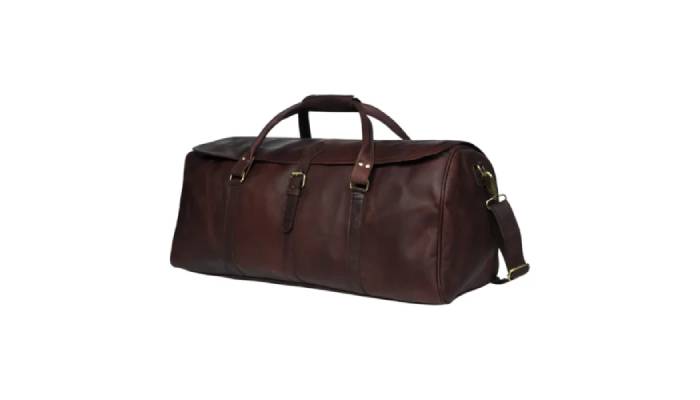
Restoring an old vintage leather duffle bag can be an exciting project that breathes new life into a cherished item. Start by assessing its condition; check for cracks, loose stitching, and fading to determine what repairs are needed. Next, give the bag a thorough cleaning using a soft cloth and a mild soap solution. After it’s clean, condition the leather with quality products to keep it supple. Address any stains with specific techniques for water or oil marks. Don’t forget to restore color using leather dye if necessary! Finally, properly store your bag to maintain its shape and integrity while enjoying this rewarding process!
1. Assessing the Condition of Your Vintage Duffle Bag
When you set out to restore your vintage leather duffle bags, the first step is to thoroughly assess its condition. Start by looking for any visible damage such as cracks, tears, or discoloration. These signs can indicate how much work your bag will need. Check for loose stitching, as well as the functionality of hardware like zippers and buckles. A musty odor can signal mold or mildew, which requires special attention. Don’t forget to inspect the interior for stains or other damage, as this can affect the overall usability of the bag.
As you evaluate how the bag has aged, remember that some wear can actually add character and charm to vintage leather. Take a moment to assess the overall shape of the bag; does it hold its form or has it become misshapen over time? Additionally, examine the lining: is it intact, or has it seen better days? Document all your findings with detailed photos, which will serve as a helpful reference during the restoration process. This careful inspection will give you a solid understanding of what needs to be done, setting the stage for a successful restoration journey.
- Look for visible damage like cracks, tears, or discoloration.
- Check for any loose stitching or hardware issues.
- Assess the smell; a musty odor may indicate mold or mildew.
- Inspect the interior for stains or damage.
- Evaluate how the bag has aged; some wear can add character.
- Consider the bag’s hardware; are zippers and buckles functional?
- Examine the lining; is it intact or worn out?
- Check the overall shape; does it hold its form?
- Document all findings with photos for reference during restoration.

2. Cleaning Your Leather Duffle Bag
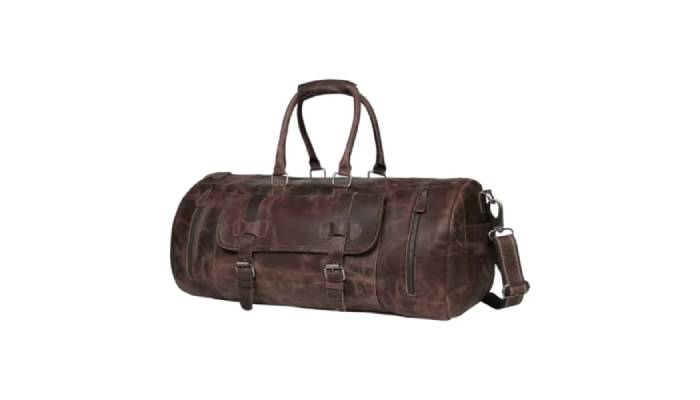
Cleaning your vintage leather duffle bag is an essential step in the restoration process. Start by using a soft brush to gently remove dirt and dust from all the crevices. This gentle approach ensures you do not scratch the leather. Be cautious to avoid harsh chemicals, as they can damage the leather’s natural finish. Instead, consider mixing a small amount of baby shampoo or saddle soap with lukewarm water. Dampen a cloth in this solution, wring it out well, and softly wipe the leather. Remember, the cloth should be damp, not wet, to prevent soaking the leather. After this, a specialized leather cleaner can be helpful for tougher grime. Make sure to wipe down all surfaces, including straps and handles, for a thorough clean. Once you’ve finished cleaning, let the bag air dry completely in a cool, shaded area, direct sunlight or heat can cause the leather to crack. For stubborn spots, a soft eraser can work wonders. Finally, always follow up your cleaning with a good leather conditioner to keep the leather supple and protected.
3. Conditioning the Leather for Longevity
Conditioning is a crucial step in restoring your vintage leather duffle bag, as it helps maintain the leather’s suppleness and prevents it from drying out. Start by applying conditioner to clean, dry leather for the best results. Use a soft cloth to spread the conditioner evenly across the surface, making sure to pay special attention to seams and creases where the leather is more likely to become dry and cracked. After application, let the conditioner sit for a few hours or even overnight to allow for deep absorption. Once the time is up, gently wipe off any excess conditioner to avoid a sticky residue. To keep your leather looking great, plan to reapply conditioner every few months. Store the bag in a cool place during this process, and if your duffle bag will see outdoor use, consider a conditioner with UV protection to shield it from sun damage. Lastly, keep an eye on how the leather responds to conditioning over time, adjusting your routine as needed to ensure its longevity.
4. Repairing Stains and Marks Effectively
To effectively tackle stains and marks on your vintage leather duffle bag, start by identifying the type of stain you’re dealing with, as different stains require different treatments. For instance, water stains can be managed by lightly misting the area with a little water and allowing it to dry evenly. Be sure to dab the stain with a soft cloth instead of rubbing it, as rubbing can damage the leather further.
For oil stains, a sprinkle of cornstarch or baking soda can work wonders. Just let it sit overnight to absorb the oil, and then brush it off gently the next day. When it comes to ink stains, speed is key, using a cotton swab with rubbing alcohol can help lift the ink, but be careful to apply it gently to avoid spreading the stain or damaging the leather.
Always test any cleaning solution on a hidden part of the bag first to ensure it won’t cause discoloration. For deep-set stains that resist your efforts, it might be best to consult a professional cleaning service for expert help. While treating your bag, keep it out of direct sunlight to avoid further damage and let it air dry naturally, as using heat can worsen any existing issues.
5. Restoring Color and Shine to Faded Leather
To bring back the vibrant color of your vintage leather duffle bag, start by selecting a leather dye that matches its original hue as closely as possible. This step is crucial for achieving a seamless look. When applying the dye, use a sponge or a soft cloth, and remember to work in thin layers. This method helps prevent over-saturation, which can lead to uneven coloring. Allow each layer to dry completely before adding another, ensuring a rich and consistent finish.
After dyeing, consider applying a leather polish for that extra shine and protection. A good polish acts as a barrier against dirt and moisture, keeping your bag looking fabulous for longer. Once the polish is applied, gently buff the leather to achieve a glossy finish that enhances the bag’s character.
If you’re using color-restoring products, always test them on a small, inconspicuous area first. This precaution ensures compatibility with your bag’s leather type and prevents any unexpected discoloration. Lastly, to avoid future fading, store your duffle bag away from direct sunlight, as UV rays can significantly diminish its color over time.
6. Fixing Scratches and Cracks Like a Pro
To fix scratches and cracks on your vintage leather duffle bag like a pro, start by examining the depth of each scratch. For minor scratches, a simple leather conditioner or oil can work wonders. Just apply a small amount, rub it in gently, and watch those scratches fade away. However, for deeper scratches, you will need a leather repair compound. Carefully apply the compound, smooth it out, and let it dry completely. Once dried, take fine sandpaper to gently smooth the area, blending it with the surrounding leather.
After you’ve made your repairs, it’s vital to recondition the area. This step helps restore moisture and luster, giving the leather a seamless appearance. If the scratches are quite deep, consider using a leather filler to restore smoothness before applying any dye. If dyeing is necessary, ensure you choose a color that matches your bag. Finally, give the area a gentle buff to blend the repaired spots with the rest of the bag. Remember, regular maintenance is key; keeping your bag conditioned will help prevent future scratches and cracks, ensuring it stays beautiful for years to come.
7. Repairing Hardware and Stitching Issues
Inspect all hardware components of your vintage leather duffle bag for functionality. Check zippers to ensure they glide smoothly and aren’t stuck; a little silicone spray can do wonders. If you notice any tarnished hardware, use a gentle metal polish, ensuring the polish doesn’t touch the leather. Missing hardware? No problem! Replace it with similar items to keep that uniform look. For stitching issues, make sure to choose a thread that matches the original color of the bag. A strong, durable thread is essential for repairs that will withstand regular use. For complicated stitching jobs, consider seeking professional help to ensure the best results. When fixing hardware, use pliers carefully to avoid damaging the leather. Finally, keeping all hardware clean and lubricated will help your bag last even longer.
8. Protecting and Storing Your Duffle Bag
To keep your vintage leather duffle bag in great shape, proper storage is key. Start by choosing a breathable storage bag made from cotton or canvas, as these materials allow air circulation. Steer clear of plastic bags, as they can trap moisture and create a perfect environment for mold to grow. When storing, stuff your bag with acid-free paper to help maintain its shape and prevent sagging.
It’s best to keep the bag in a cool, dry place, away from direct sunlight, which can cause fading and drying out of the leather. For added protection against stains and dirt, consider using a leather protector spray. Make it a routine to check your bag regularly for any signs of wear or damage, catching issues early can save you time and effort later on.
If you’re not using your bag for an extended period, remember to condition it before storing it away to keep the leather supple. Avoid hanging the bag by its straps, as this can lead to stretching over time. Lastly, make it a habit to rotate your bags to ensure even wear, giving each one a chance to shine!
9. The Benefits of Restoring Vintage Leather Bags
Restoring a vintage leather bag is not just about giving it a new lease on life, it’s about enhancing its unique character and charm. Each scratch and mark tells a story, and by restoring it, you get to enjoy that rich history while making it your own. Plus, this process can potentially increase the bag’s value over time, transforming a simple accessory into a treasured investment. Engaging in restoration allows you to create a one-of-a-kind item that truly stands out from mass-produced alternatives. For enthusiasts, it can be a fulfilling DIY project that not only revives the bag but also teaches new skills related to leather care. It’s an eco-friendly practice, reducing waste and preserving craftsmanship that deserves recognition. Every restored bag carries its own narrative, making it even more appealing. By taking the time to restore, you cultivate a deeper appreciation for the artistry involved in leatherwork, connecting you to the past in a meaningful way.
Frequently Asked Questions
What tools do I need to restore my vintage leather duffle bag?
To restore your vintage leather duffle bag, you’ll typically need leather cleaner, a soft cloth, leather conditioner, and possibly some cream or wax for finishing touches.
How can I clean the leather without damaging it?
Start by using a gentle leather cleaner and a soft cloth to remove dirt and grime. Always avoid harsh chemicals that can harm the leather, and test any product on a small area first.
Is it necessary to condition the leather after cleaning?
Yes, conditioning the leather is important, as it helps keep the leather supple and prevents it from drying out or cracking. Make sure to use a high-quality leather conditioner.
Can I fix scratches or scuff marks on my leather bag?
Yes, minor scratches can often be fixed by gently rubbing a matching leather conditioner into the area. For deeper scuffs, you might need a leather repair kit.
How do I store my vintage leather duffle bag to keep it in good shape?
Store your bag in a cool, dry place away from direct sunlight, and use a dust bag or pillowcase to protect it. Avoid overloading it to maintain its shape.
TL;DR Restoring an old vintage leather duffle bag is a fulfilling way to revive its charm and extend its lifespan. Start by assessing its condition to determine the necessary care. Clean the leather with a mild solution and air dry it. Condition regularly to keep it supple and address stains using appropriate methods for each type, like cornstarch for oil. Restoring color involves applying leather dye and polish, while scratches can be treated with vinegar or a repair kit. Don’t forget to fix hardware and stitching to ensure it functions well. Proper storage and maintenance will protect your bag for years. Embrace the sustainability of restoration, saving money while preserving a piece of craftsmanship!