
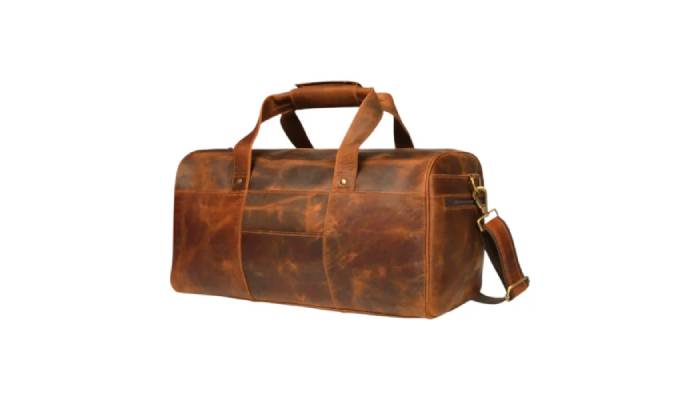
Restoring an old vintage leather duffle bag can be a fulfilling experience. Start by carefully inspecting the bag for any visible damage like cracks or discoloration, and remember to check hardware too. Next, give it a good cleaning with a soft cloth and mild soap solution to remove dirt. Conditioning is important for keeping the leather supple; apply a quality conditioner evenly. If you encounter stains, treat them appropriately, different stains need different methods. You might want to restore color with leather dye and polish afterward for shine. Lastly, store your bag properly to keep it in great shape over time.
1. Cleaning Your Vintage Leather Duffle Bag
Begin by using a soft brush to gently remove loose dirt and dust from the surface of your vintage leather duffle bags. This initial step helps prepare the leather for a deeper clean. Next, create a cleaning solution by mixing water with a mild soap, such as baby shampoo or saddle soap. Dampen a soft cloth with this solution, ensuring it is not soaking wet, and gently clean the leather, taking care to avoid saturating it. Focus on one section at a time, which allows for thorough cleaning without risking damage to the leather. Remember to rinse the cloth frequently to prevent redistributing dirt back onto the bag. For particularly stubborn stains, you may need to use a specialized leather cleaner designed for the type of stain you’re dealing with. Once you’re done cleaning, let the bag air dry naturally in a well-ventilated area, steering clear of direct sunlight and heat sources, which can cause the leather to crack. Avoid using paper towels, as they can scratch the leather surface. To help protect your bag from future damage, consider applying a leather cleaner that includes UV protection.
- Begin with a soft brush to remove loose dirt and dust from the surface.
- Make a cleaning solution with water and a mild soap, like baby shampoo or saddle soap.
- Dampen a soft cloth with the solution and gently clean the leather, avoiding saturation.
- Focus on one section at a time to ensure thorough cleaning without damaging the leather.
- Rinse the cloth frequently to avoid spreading dirt back onto the bag.
- For stubborn stains, a specialized leather cleaner may be required.
- Dry the bag naturally in a well-ventilated area, away from direct sunlight and heat sources.
- Avoid using paper towels as they can scratch the leather surface.
- Consider using a leather cleaner with UV protection to help prevent future damage.
 2. Conditioning Leather for Longevity
 2. Conditioning Leather for Longevity
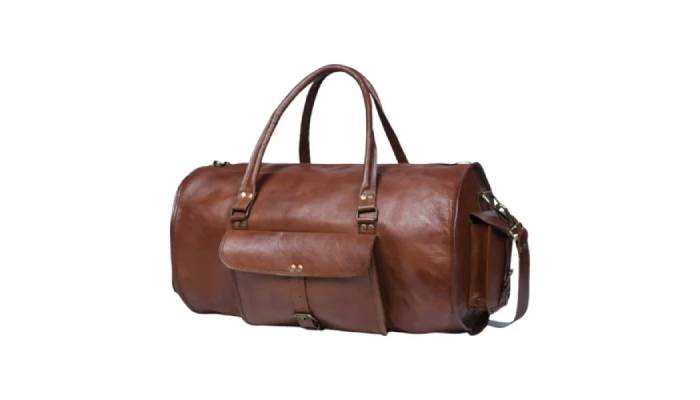
Conditioning your vintage leather duffle bag is essential for maintaining its softness and preventing cracks. Start by selecting a high-quality leather conditioner formulated specifically for vintage leather, as this will provide the best nourishment. Using a soft cloth, apply the conditioner in gentle circular motions, ensuring you work it into the leather thoroughly. Pay extra attention to seams and creases, as these areas tend to dry out more quickly. Once applied, let the conditioner absorb for several hours or ideally overnight to achieve optimal results. Afterward, wipe away any excess conditioner with a clean, dry cloth to avoid a sticky feel. It’s wise to test the conditioner on a small, hidden area first to make sure it doesn’t alter the color of the leather. Regular conditioning is key, so aim to do this every three to six months, depending on how often you use the bag. However, be cautious not to over-condition, as excessive application can leave a greasy residue that attracts dirt. After conditioning, store the bag correctly to keep it supple and ready for use.
3. Repairing Stains and Marks on Leather
When dealing with stains and marks on your vintage leather duffle bag, the first step is identifying the type of stain. Each type requires a different approach for effective treatment. For instance, if you encounter water stains, lightly mist the affected area with water and let it dry evenly to avoid any uneven patches. Oil stains can be a bit trickier, but using cornstarch or baking soda can work wonders; simply sprinkle it on the stain and let it sit overnight to absorb the oil, then brush it off. Ink stains are more challenging, and the best method involves using a cotton swab dipped in rubbing alcohol, gently dabbing the stain without rubbing, as rubbing can spread the ink further. Always remember to test any cleaning method on a hidden spot first to ensure you don’t accidentally cause discoloration. In cases where stains are particularly stubborn, seeking professional cleaning services might be the safest route. Until the stains are completely resolved, it’s wise to keep the bag away from moisture, and regularly check for any new stains so you can address them promptly.
4. Restoring Color and Shine to the Bag
To restore the color and shine of your vintage leather duffle bag, start by selecting a leather dye that closely matches the original hue. Using a clean sponge or cloth, apply the dye in thin, even layers. This method prevents saturation and allows for a more controlled color build-up. After applying each layer, allow it to dry thoroughly before adding the next. Once you achieve the desired shade, enhance the bag’s appearance by applying a high-quality leather polish. This not only adds shine but also provides a protective layer against dirt and moisture. To finish, buff the bag with a soft cloth to bring out its luster. It’s important to ensure that the dye you choose is specifically made for leather, as using the wrong type can damage the material. For areas that may have faded, consider using a color-restoring conditioner to rejuvenate the leather. After the dyeing process, store the bag properly to maintain its new color, and always test the polish on a small area to ensure compatibility with the dye.
5. Fixing Scratches and Cracks Effectively
Scratches and cracks on your vintage leather duffle bag can be a real eyesore, but fortunately, they can often be fixed. For minor scratches, a simple application of leather conditioner or oil can help reduce their visibility. This quick fix is effective for light surface damage. For deeper scratches, however, a leather repair compound will be necessary. Carefully smooth the compound into the scratch, making sure it fills the gap completely. Once it has dried, gently sand the area to create a uniform surface. After sanding, dye the repaired area to match the bag’s original color, ensuring a seamless look.
Always remember to work in a well-ventilated area when using repair compounds or dyes, as the fumes can be quite strong. If you encounter a severe crack that compromises the integrity of the bag, seeking professional repair is advisable to avoid further damage. To prevent future cracking, keep your bag conditioned regularly, and be proactive in checking for new scratches. Address them promptly to maintain the bag’s appearance. After completing repairs, use a soft cloth to buff out any minor imperfections, restoring that smooth finish you love.
6. Repairing Hardware and Stitching Issues
To keep your vintage leather duffle bag in top shape, you’ll want to assess all hardware components, like zippers, buckles, and clasps, to ensure they function properly. If you find a stuck zipper, applying silicone spray can help it glide smoothly again. For any loose stitching, it’s best to use a thread that matches the bag’s color for a seamless repair. If the stitching is complicated, don’t hesitate to seek professional help to ensure quality work. When it comes to hardware, if any pieces are broken, replace them with items that match the original as closely as possible to maintain the bag’s character. It’s also wise to keep extra hardware on hand for future repairs, especially since vintage pieces can be hard to match. Regular inspections of your bag’s hardware can catch issues early before they worsen, saving you time and effort in the long run. Remember to avoid using excessive force on hardware, as this can lead to breakage. By maintaining the hardware properly, you can significantly extend the life of your beloved bag.
7. Proper Storage Techniques for Leather Bags
To keep your vintage leather duffle bag in great shape, proper storage is key. Start by using a breathable cotton or canvas dust bag, as these materials allow air circulation and help prevent moisture buildup. It’s best to avoid plastic bags since they can trap moisture and lead to mold growth, which is the last thing you want for your leather. When storing the bag, stuff it with acid-free paper or bubble wrap to help maintain its shape and prevent sagging.
Choose a cool, dry place, away from direct sunlight, to store your bag. Sun exposure can cause the leather to fade and crack over time. Regularly check on your bag while it’s in storage to ensure everything remains in good condition. Avoid overstuffing the bag, as this can lead to permanent deformities.
For added protection against moisture, consider placing silica gel packets in the storage area. These packets can effectively absorb excess humidity. Also, keep the bag away from heat sources, like radiators or fireplaces, since heat can dry out the leather. Finally, remember to allow your bag to breathe by taking it out of storage every so often to air it out.
8. Benefits of Restoring Your Vintage Bag
Restoring your vintage bag brings numerous advantages that go beyond aesthetics. First, it enhances the bag’s character, making it unique and special, a true reflection of your personal style and history. Additionally, restoration often costs less than buying a new designer bag of similar quality, making it a budget-friendly option for those who appreciate craftsmanship.
Another significant benefit is sustainability. By restoring an old bag, you reduce waste and contribute to eco-friendly practices, giving new life to an item that may have otherwise ended up in a landfill. Plus, a restored bag can carry sentimental value, representing cherished memories or experiences, turning it into a keepsake.
Investing in restoration can also increase your bag’s resale value, especially for vintage pieces that are becoming more sought after. The process itself can be enjoyable and rewarding, providing a sense of accomplishment as you breathe new life into your treasured accessory. Furthermore, you can customize the restoration to match your personal preferences, making it even more special.
A well-restored bag can last for many more years, ensuring continued use and enjoyment. Finally, by engaging in this restoration process, you contribute to the preservation of traditional craftsmanship and techniques, keeping the art of leatherworking alive for future generations.
Frequently Asked Questions
What are the first steps in restoring a vintage leather duffle bag?
Start by cleaning the bag gently, using a soft cloth and a mix of mild soap and water. Remove any dirt or grime carefully, avoiding soaking the leather.
How can I remove scratches or scuffs from my leather duffle bag?
To tackle scratches, use a leather conditioner or a small amount of olive oil. Dab it on the scratch with a cotton swab, then rub gently to blend it in.
What type of leather conditioner should I use on my vintage bag?
Choose a high-quality leather conditioner made specifically for vintage leather. It should be free of harsh chemicals, and designed to nourish and hydrate the leather.
Is it safe to use water when restoring leather?
Water should be used cautiously. Too much water can damage leather, so only use a damp cloth to clean. Avoid soaking your bag.
How can I keep my restored leather duffle bag looking good over time?
Store your bag in a cool, dry place away from direct sunlight. Regularly clean and condition it, and avoid overloading it to maintain its shape.
TL;DR Restoring an old vintage leather duffle bag can be a rewarding process that enhances its beauty and prolongs its lifespan. Begin by assessing the condition through visual inspection and smell tests. Clean using gentle methods like a mild soap solution, then condition the leather to keep it supple. Address stains based on their type; for example, use cornstarch for oil stains and rubbing alcohol for ink. Restore color with leather dye and polish. Fix scratches with leather repair compounds, and ensure hardware and stitching are in good condition. Store the bag properly to maintain its shape. Benefits include sentimental value, cost-effectiveness, and sustainability. Cleaning and conditioning should be done every 3-6 months.