
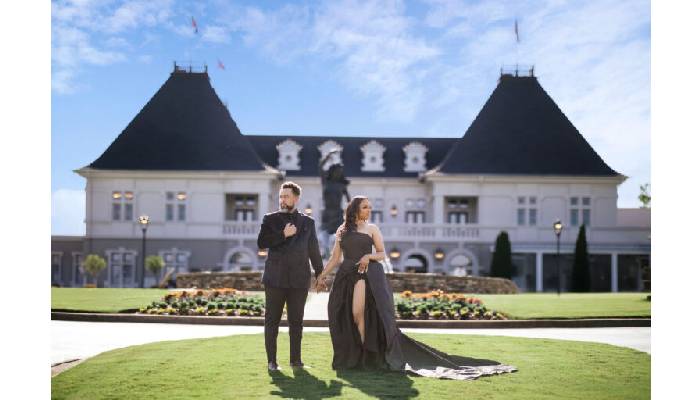
When you set out to choose a wedding photographer in Atlanta, reviewing their portfolios requires a thoughtful approach. Start by identifying different photography styles, like documentary or traditional, and see which aligns with your vision. Look for diversity in shots, capturing both candid moments and key highlights of the day. Pay attention to image quality and lighting techniques as they significantly enhance the overall look. Client reviews can provide insights into professionalism and reliability, while initial interactions help gauge comfort levels. Remember to trust your instincts; a genuine connection with the photographer often leads to stunning results that will last a lifetime.
1. Identify Photography Styles
Understanding the various photography styles is essential when reviewing wedding photographers in Atlanta. Start by familiarizing yourself with common styles such as documentary, traditional, fine art, and editorial. Each style tells a different story and evokes distinct emotions, so it’s important to identify which aligns with your vision for your wedding day. For instance, documentary photography captures candid moments, while traditional photography focuses more on posed portraits.
Next, pay attention to the composition techniques employed by the photographer. Look for elements like framing, symmetry, and the use of negative space in their work. These techniques can greatly influence how your images turn out. Additionally, consider their approach to color versus black and white photography, as this choice can set the mood and tone of your images.
You should also evaluate how the photographer balances detail shots versus wide-angle shots. If you have a preference for storytelling, think about how each type of shot contributes to the overall narrative of your wedding day. Whether you envision a rustic, modern, or classic celebration, check if the photographer’s style adapts well to different themes.
Furthermore, consider the emotional tone of the photographs. Do they capture romantic moments, candid interactions, or dramatic scenes? Inquire if the photographer can customize their style to suit your preferences, ensuring that their artistic vision aligns with your expectations.
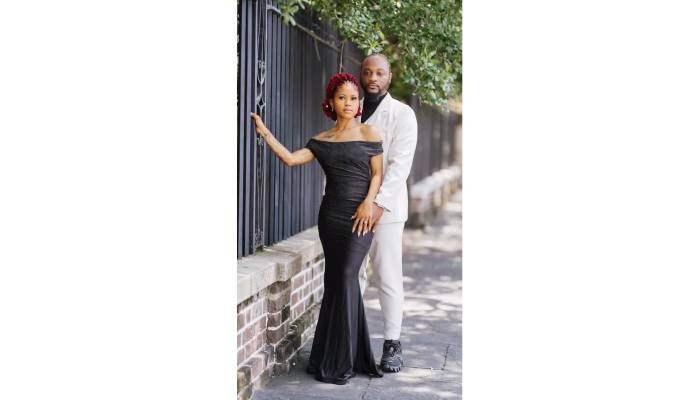
Finally, assess how well the photographer balances artistic shots with essential moments. It’s crucial that no important detail is overlooked. Ask for examples of how they’ve captured unique stories through their style in previous weddings, as this can provide insight into their ability to document your special day.
- Research common styles like documentary, traditional, fine art, and editorial to identify which aligns with your vision.
- Examine the composition techniques used, such as framing, symmetry, and the use of negative space.
- Look for the photographer’s use of color versus black and white, as this can set the mood of the images.
- Consider how the photographer captures details versus wide shots, and how that fits your storytelling preference.
- Check if their style adapts to different wedding themes, from rustic to modern or classic celebrations.
- Review how the style influences the emotional tone of the photos, such as romantic, candid, or dramatic.
- Inquire if they can customize their style to suit your preferences, ensuring a personal touch.
- Evaluate the balance between artistic shots and essential moments, ensuring no important detail is overlooked.
- Ask for examples of how they’ve captured unique stories through their style in previous weddings.
2. Analyze Portfolio Content
When analyzing a wedding photographer’s portfolio, start by looking for a variety of settings. You want to see examples of outdoor ceremonies, cozy indoor receptions, and how the photographer handles different lighting conditions. This diversity showcases their adaptability and skill. Next, assess the photographer’s ability to tell a story through their images. A great portfolio should capture the progression of the day, from the emotional moments during the vows to the lively dancing at the reception.
Consistency is key, so check for a uniform quality throughout the portfolio. All photos should be well-composed and edited, reflecting the photographer’s professionalism. Look for a balance between formal portraits and candid moments, as both play essential roles in telling the complete wedding story. Keep an eye out for how well the photographer captures special details too, like rings, decor, and personal touches that make a wedding unique.
Emotional depth is also important; a good portfolio will include a range of emotions, from joyful celebrations to intimate, quiet moments shared between the couple and their families. This helps convey the overall atmosphere of the event. Additionally, inquire about the number of weddings represented in the portfolio to gauge the photographer’s experience level.
Lastly, pay attention to the photographer’s creativity. Look for evidence of originality in their shots, such as unique angles or settings that stand out. This can often be the difference between a good photographer and a great one.
3. Evaluate Technical Skills
When reviewing a wedding photographer’s portfolio, it’s important to assess their technical skills, as these directly impact the quality of the images you will receive. Start by checking if the images are sharp, properly exposed, and exhibit good color accuracy. These elements reflect the photographer’s proficiency with their craft. Pay particular attention to their ability to capture movement, especially during lively moments such as dancing or candid interactions. A skilled photographer should be able to freeze these moments without blur.
Next, consider their use of depth of field. This technique can effectively draw attention to the couple while softly blurring distracting backgrounds, enhancing the overall composition of the photo. Additionally, look at how the photographer handles challenging lighting situations, such as during sunset or in low-light indoor receptions. These scenarios require a strong understanding of both equipment and technique.
Composition is another critical aspect. Look for the use of techniques like the rule of thirds, leading lines, and framing to create visually appealing images. Consistency in image quality across various formats, whether digital or print, is also essential. It indicates the photographer’s reliability and attention to detail.
Inquire about the camera equipment they use, as well as their techniques. This will help you determine if they are utilizing the latest technology and methods to capture your special day. Lastly, evaluate their ability to adapt to different environments and venues, showcasing their versatility. Don’t forget to check their post-processing techniques, ensuring they enhance the images rather than detract from them. This comprehensive evaluation of technical skills will help you gauge whether a photographer can meet your expectations on your wedding day.
4. Client Reviews and Testimonials
Client reviews and testimonials are crucial when evaluating wedding photographers in Atlanta. Start by looking for feedback that emphasizes the photographer’s reliability and professionalism throughout the wedding planning process. Positive reviews often mention specific moments that the photographer captured beautifully, showcasing their skill in storytelling through images. It’s also important to consider comments regarding the photographer’s ability to manage the timeline and coordinate with other vendors, as this can significantly affect the flow of your wedding day.
Additionally, pay attention to how clients describe the photographer’s demeanor on the wedding day. A calm, friendly presence can enhance the overall experience for you and your guests. Communication is another key factor; reviews that highlight effective communication before, during, and after the event can indicate how well the photographer will address your needs and concerns.
Look for patterns in the reviews: a photographer with consistently positive feedback is likely to be a reliable choice. Also, consider testimonials that discuss the quality and speed of image delivery after the wedding, as timely delivery can be just as important as the quality of the images. If a photographer has received awards or recognition mentioned in client reviews, it can enhance their credibility and reputation in the industry. Finally, reviews that detail how the photographer handled unexpected challenges can provide insight into their problem-solving abilities and professionalism.
5. Communication and Personality
When reviewing wedding photographers, pay close attention to their communication style. A photographer who responds quickly to your initial inquiries shows the importance they place on timely communication, which is essential during the planning process. Take note of how they listen to your vision; a good photographer will not only hear your ideas but also offer suggestions that reflect their understanding and appreciation of your input. This collaborative approach can lead to better results on your wedding day.
During consultations, assess how comfortable you feel discussing your ideas and concerns. If the photographer creates a relaxed atmosphere, it will help you share your vision more freely, which is key to capturing those authentic moments. Enthusiasm is another vital sign; a passionate photographer will likely invest more effort into their work, translating into stunning images.
Observe their professionalism in every interaction. Clear and thoughtful responses to your questions are indicators of their experience and confidence. Additionally, if they follow up after meetings, it shows genuine interest in you as a potential client. Look for someone who can explain technical details in a way that makes sense to you, ensuring that you feel informed and valued throughout the process.
6. Experience and Professionalism
When reviewing wedding photographers, consider their experience as a key factor. Look at how many weddings they have covered, as this can indicate their ability to adapt to various scenarios on your special day. Portfolios should include a range of weddings, from small, intimate ceremonies to large celebrations, showcasing their versatility. It’s also important to check if the photographer has a backup plan for equipment failure or other unexpected events. Having liability insurance is another sign of professionalism, protecting both you and the photographer in case of accidents.
Inquire about how they coordinate with other vendors, as this can ensure a smooth workflow on your wedding day. A photographer who actively engages in ongoing education or workshops demonstrates a commitment to staying current with trends and techniques, which can reflect positively on the quality of their work. Reputation also matters; established photographers often have a network that can benefit your wedding.
Assess their professionalism by reviewing contracts and payment terms, making sure there are no hidden fees or surprises. Finally, ask about their timeline for deliverables after the wedding, as a clear understanding of when you can expect your photos is essential.
7. Editing Style and Turnaround Time
When reviewing a wedding photographer’s portfolio, pay close attention to their editing style. Consistency is key; you want to see a recognizable look across different weddings. This ensures that the final images will feel cohesive. Look for a variety of editing styles in their portfolio, from light and airy to dark and moody, and evaluate how these styles complement their photography approach.
It’s also important to inquire about the average turnaround time for receiving your images after the wedding day. Knowing when you can expect to see your photos helps set your expectations. Ask about their editing process, including details on color correction, retouching, and any special effects they might apply.
Consider whether they offer options for different types of edits, such as black and white or vintage looks. Additionally, find out how they handle re-edit requests: are there extra charges for changes after the final delivery? Transparency in their editing timeline is crucial, as it allows you to plan for when you will receive your digital files, prints, or albums as part of your package.
8. Explore Special Services and Add-Ons
When reviewing wedding photographers, it’s important to look beyond just their portfolio. Exploring the special services and add-ons they offer can greatly enhance your wedding experience. Start by inquiring about engagement shoots, as these can help you and your photographer build comfort and rapport before the big day. This can lead to more natural and candid photos during the wedding itself.
Next, check if they offer options for custom albums or prints. Personalizing these keepsakes can add a special touch to your memories, allowing you to relive your day in a unique way. Additional services, such as photo booths or instant prints for guests, can also enhance the experience, providing fun and memorable interactions at your reception.
Digital galleries and online sharing options are another aspect to consider. These services make it easy for you and your guests to access and share photos after the event. If you have loved ones who cannot attend the wedding, ask about live streaming services, ensuring everyone can participate in your special day, even from afar.
Evaluate the option of having a second shooter. This can provide more coverage, capturing different angles and moments that a single photographer might miss. Additionally, look for packages that include bridal or couple portraits before the wedding day, which can offer a more comprehensive photography experience. Don’t forget to inquire about any special pricing for bundling services, as this could provide added value for your investment.
Lastly, consider how the add-on services align with your wedding theme and personal preferences. Whether it’s a vintage photo booth or a modern digital gallery, these elements can help create a cohesive and memorable experience.
9. Familiarity with Venues
When you connect with a wedding photographer, it’s crucial to ask if they have experience working at your chosen venue. This familiarity can streamline the shooting process, allowing them to work more efficiently. For instance, if they know the best spots for photos, you can capture beautiful backdrops that enhance your wedding album. Additionally, understanding how natural light changes throughout the day at the venue is vital for getting optimal shots. A photographer familiar with the venue can suggest specific times for certain types of photos, ensuring you get the best possible results. You might also want to look for testimonials from previous clients who had their weddings at the same venue, as this can provide insight into how adaptable the photographer is. It’s wise to ask about their ability to navigate any restrictions or requirements the venue may have for photography. If the venue has limited options for picturesque locations, a seasoned photographer can often recommend alternative nearby spots. Moreover, assessing how well they can adapt their photography style to match the venue’s aesthetic is essential, as this will ensure a cohesive look in your images.
10. Trust Your Instincts
Trusting your instincts is key when choosing a wedding photographer. Pay attention to how you feel during your interactions; comfort with the photographer is crucial. If you find yourself hesitating to express your ideas or concerns, it might be a sign that the connection isn’t right. Evaluate whether the photographer shows genuine passion for your story and resonates with your vision. You should feel excited and inspired by the prospect of working together. Consider if they align with your values and style preferences beyond just their portfolio. If they seem enthusiastic about your wedding theme, that shared excitement can elevate creativity. Trust your gut regarding their professionalism and reliability; intuition often guides you to the right choice. Reflect on whether their overall vibe inspires confidence in their ability to capture your day, as this can significantly impact your comfort level on the wedding day.
Frequently Asked Questions
What should I look for in a wedding photographer’s portfolio?
When reviewing a wedding photographer’s portfolio, check for their style, the variety of shots they include, lighting quality, and how they capture emotions and important moments.
How can I tell if a photographer’s work matches my style?
Look for images that resonate with you, see if their themes, colors, and overall mood match what you envision for your wedding.
What kinds of events should the portfolio include?
A good portfolio should contain a mix of different events, such as engagement sessions and various weddings, to show versatility and adaptability in different settings.
Should I consider the photographer’s equipment and experience while reviewing?
Yes, while the portfolio showcases their work, knowing they use quality equipment and have a solid background can give you additional confidence in their skills.
How important is the editing style in a photographer’s portfolio?
Editing style plays a big role in the final look of your photos, so make sure the way they edit images fits your taste and enhances the overall feel you’re aiming for.
TL;DR To effectively review wedding photographers’ portfolios in Atlanta, start by identifying their photography styles and analyzing the content for emotional depth and diversity. Evaluate their technical skills and seek client reviews for reliability. Pay attention to their communication style, professionalism, and editing processes. Explore any special services they offer and confirm their experience with your venue. Finally, trust your instincts about whether their enthusiasm and personality align with your vision.